


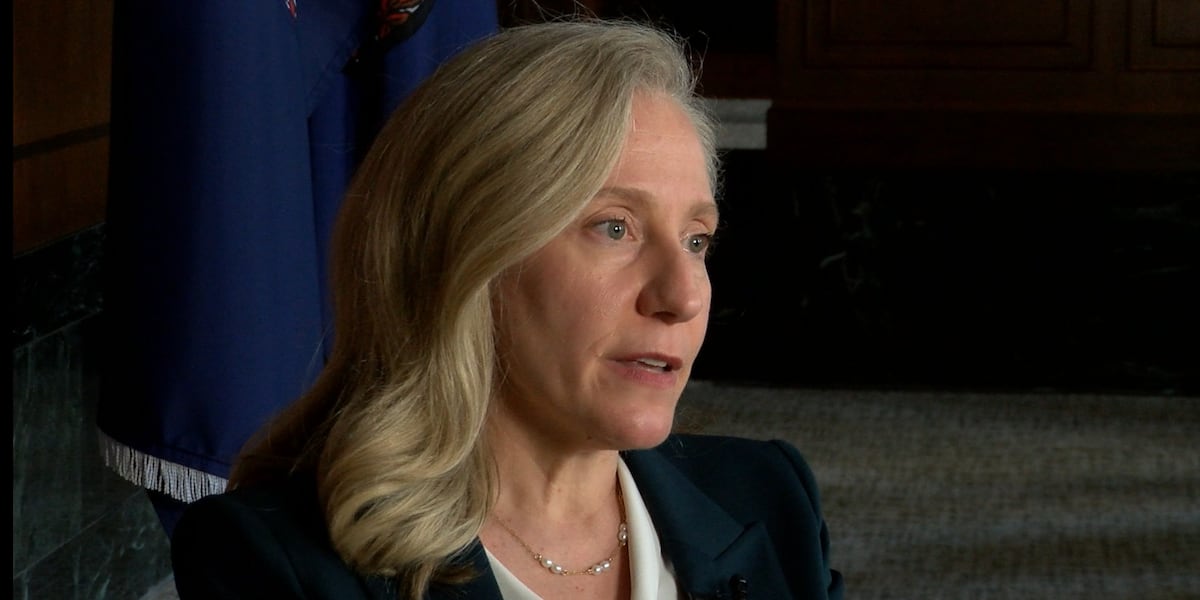
Governor Spanberger Takes Action to Limit Federal Immigration Enforcement
CHARLOTTESVILLE, Va. – Governor Abigail Spanberger is implementing a new executive order aimed at restricting federal immigration enforcement throughout Virginia. The move comes in response to what she describes as “increasing and aggressive” activity from Immigration and Customs Enforcement (ICE) within the state.
New Executive Order Addresses Federal Enforcement Tactics
Executive Order 16, issued by Spanberger, is designed to curtail the presence of federal agents on federal properties, including schools, hospitals, courthouses, and polling places. The governor argues that this initiative will enhance public safety and provide clearer guidance to state officials as federal authorities ramp up immigration enforcement.
Concerns Over Public Trust and Safety
Spanberger expressed that aggressive federal immigration tactics are undermining public trust in local law enforcement. She highlighted the fear among communities, stating, “Elementary school children are afraid to ride the bus, neighbors fear being targeted for their appearance at grocery stores, and workers are hesitant to show up for their jobs.”
Critics Voice Opposition to the Executive Order
However, some, including Republican commentator John Reed, have raised concerns about Spanberger’s approach. Reed argues that the governor’s actions send a detrimental message statewide, asserting the need for a united effort to uphold the law across Virginia.
Specific Measures Included in the Executive Order
The latest directive prohibits the use of federal land as staging areas for immigration enforcement operations. Additionally, it establishes a website to educate Virginians about their rights and to report suspected violations by federal agents. State authorities will also need to confirm that federal officers possess valid warrants before gaining access to state property.
Political Context Surrounding Immigration Enforcement
This executive order follows Spanberger’s earlier decision in February to terminate ICE’s agreements with various Virginia state agencies, including the Virginia State Police. The move comes amidst rising concerns about potential interference in upcoming elections, as some lawmakers fear that federal agencies could intimidate voters.
Responses from Other Political Leaders
Senator Tim Kaine expressed support for limiting ICE access to polling areas, emphasizing the importance of encouraging voter participation rather than creating a climate of fear. Meanwhile, Reed insists that Spanberger should collaborate with federal officials to establish clear standards for elections, criticizing her for failing to engage with the Trump administration on immigration enforcement policies.
Legislative Developments and Governor’s Vetoes
In a related action, Spanberger signed House Bill 1482, which prohibits law enforcement from wearing masks while on duty. She also vetoed House Bill 650, intended to restrict civil arrests in and around courthouses. Spanberger stated that the bill’s implementation would be unfeasible, potentially forcing local law enforcement to choose between state and federal law. This veto drew criticism from delegates who aim to protect marginalized communities and uphold public safety.
Impasse on Legislative Issues and Future Directions
Spanberger’s vetoes reflect broader friction between the Democratic governor and lawmakers, revealing an ongoing struggle over legislative priorities. Analysts note that the tension may hinder progress on various issues, including budget agreements and taxation policies. As the state grapples with these challenges, effective collaboration among lawmakers may be essential to reaching viable solutions.
