


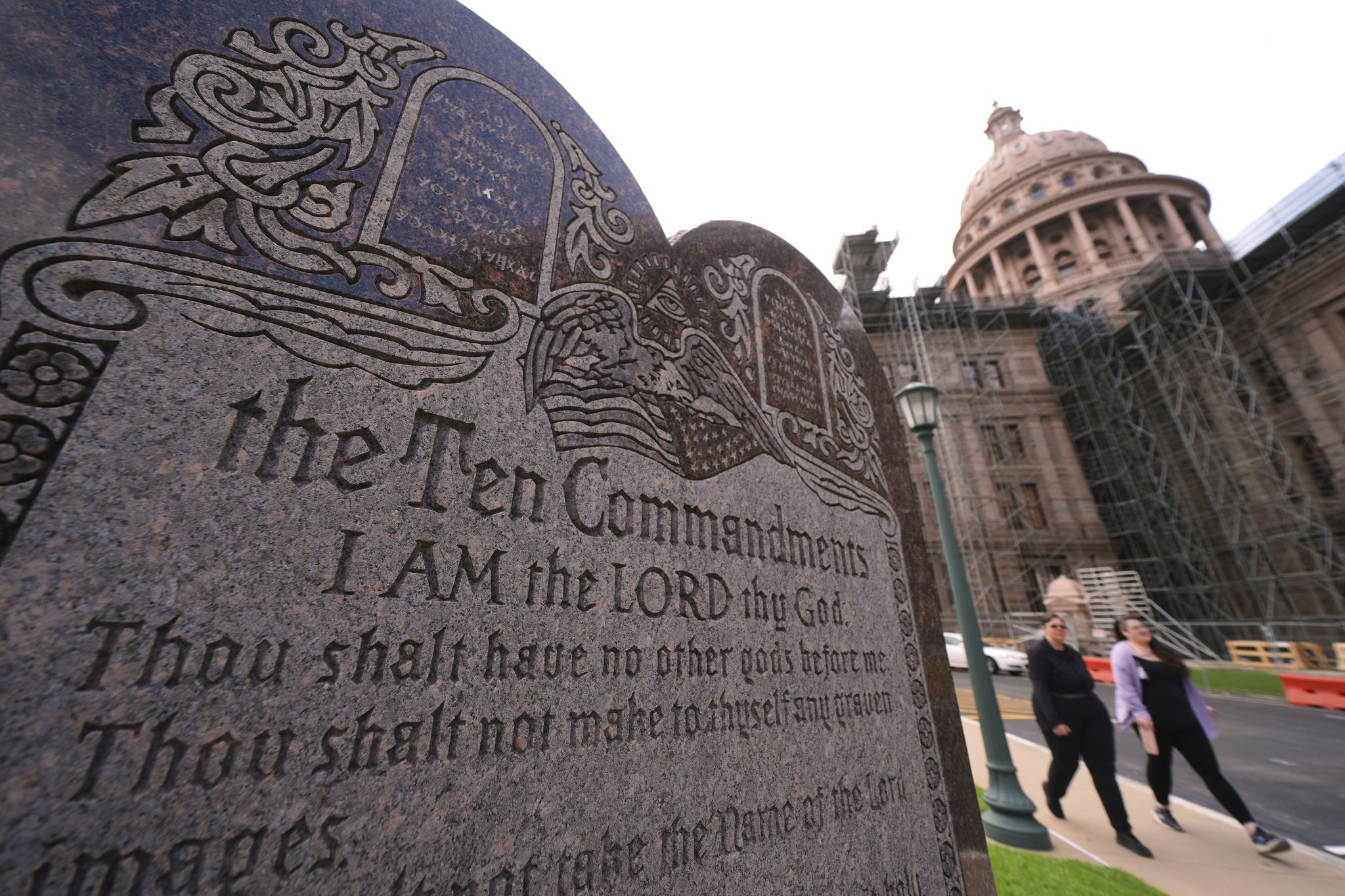
Controversy Surrounds Ten Commandments Display in Schools
The decision to mandate the display of the Ten Commandments in public schools has ignited significant debate. Critics question the necessity of such a requirement, arguing that the principles embedded in these commandments are already ingrained in the moral teachings parents and religious institutions provide. This raises a critical discussion about the appropriate settings for exploring the complexities of these guidelines.
Many believe that conversations surrounding the Ten Commandments should occur in homes or places of worship, rather than being enforced within educational settings. The presence of such religious texts in classrooms could create division among students and faculty, detracting from the educational experience. Concerns are mounting over the erosion of the established separation of church and state, particularly as the attorney general advocates for this measure.
Legal Support for Ten Commandments Display
The Fifth Circuit Court of Appeals recently upheld a Texas law mandating the display of the Ten Commandments in public schools. The court found that such displays do not qualify as calls to prayer, nor do they represent an endorsement of a religious establishment from the founding era. Despite this legal backing, critics continue to express their discontent, viewing the initiative as an imposition of religious beliefs rather than a neutral presentation of historical principles.
Detractors highlight the religious tone of the first commandment, “You shall have no other gods before me,” questioning its place in a secular educational environment. The notion of displaying religious texts in every classroom has led to comparisons with historical religious figures associated with flood myths, sparking further controversy.
Political Landscape and Gerrymandering Concerns
Amid discussions around educational policies, the political landscape in various states has seen notable shifts. Some political commentators argue that the current Republican leadership is reacting to perceived injustices stemming from past gerrymandering practices in Virginia. They contend that the reduction of the Republican Party’s influence in states like New York and California paints a stark picture of the current political climate, which appears increasingly polarized.
Advocates for change suggest that red states should consider emulating certain blue states in pursuing more inclusive and pragmatic policies. The debate raises questions about the balancing act between state legislatures and national guidance, particularly in how they shape educational and political outcomes.
Criticism of Media Coverage
The editorial policies of the Dallas Morning News have also come under scrutiny. Some readers have expressed concerns regarding the perceived bias in reporting on issues related to the Ten Commandments. Critics argue that the framing of articles reflects a particular political stance that may not align with the diverse perspectives of its readership.
The separation of religious expression and state governance continues to be a contentious issue. It is essential to recognize that while the Ten Commandments are rooted in the Judeo-Christian tradition, they do not encompass the entire spectrum of belief systems represented in the United States. This ongoing dialogue underscores the complexities of ensuring fair representation in public discourse.
Immigration Law Misunderstanding
In the realm of immigration policy, recent discussions have revealed a divide between differing viewpoints, often fueled by agenda-driven narratives. The complexity of proposed laws, which include measures to restrict asylum applications, raises questions about the effectiveness and ethical implications of current immigration practices.
The recent proposal to eliminate “catch-and-release” practices reflects a significant shift in how asylum claims are processed. The bill aims to expedite the detention of individuals entering the country illegally, presenting a new framework that could mitigate the backlog in asylum cases. Supporters argue that this strategy is necessary for more efficient governance, while opponents fear it undermines the humanitarian principles inherent in asylum laws.
The Impact of Gas Prices on Voter Sentiment
As gas prices rise, voter sentiment is shifting in response to economic conditions. While historically, voters may not have held administrations accountable for fluctuating gas prices, a growing number are attributing recent spikes to current political leadership. This trend emphasizes the need for voters to critically assess the motivations behind policies impacting everyday life.
As the political landscape evolves, it is crucial for citizens to remain informed and engaged in the electoral process. Voter awareness can significantly influence the accountability of elected officials, especially when pressing issues like gas prices come to the forefront of public concern.
Public Health Messaging and Trust
The recent surge in measles cases has heightened the urgency of public health messaging, drawing attention to the diminishing trust in medical advice among many individuals. There is a growing desire for authoritative voices in public health, such as Dr. Anthony Fauci, whose presence and guidance had previously reassured the public during health crises.
In an era where misinformation can rapidly propagate, the emphasis on credible health communication remains vital. Rebuilding public trust in vaccinations and health measures is essential to manage future health challenges effectively. The community’s ability to navigate these issues will ultimately hinge on a renewed commitment to transparency and education in public health messaging.
