


California to Share Driver’s License Data with Federal Authorities
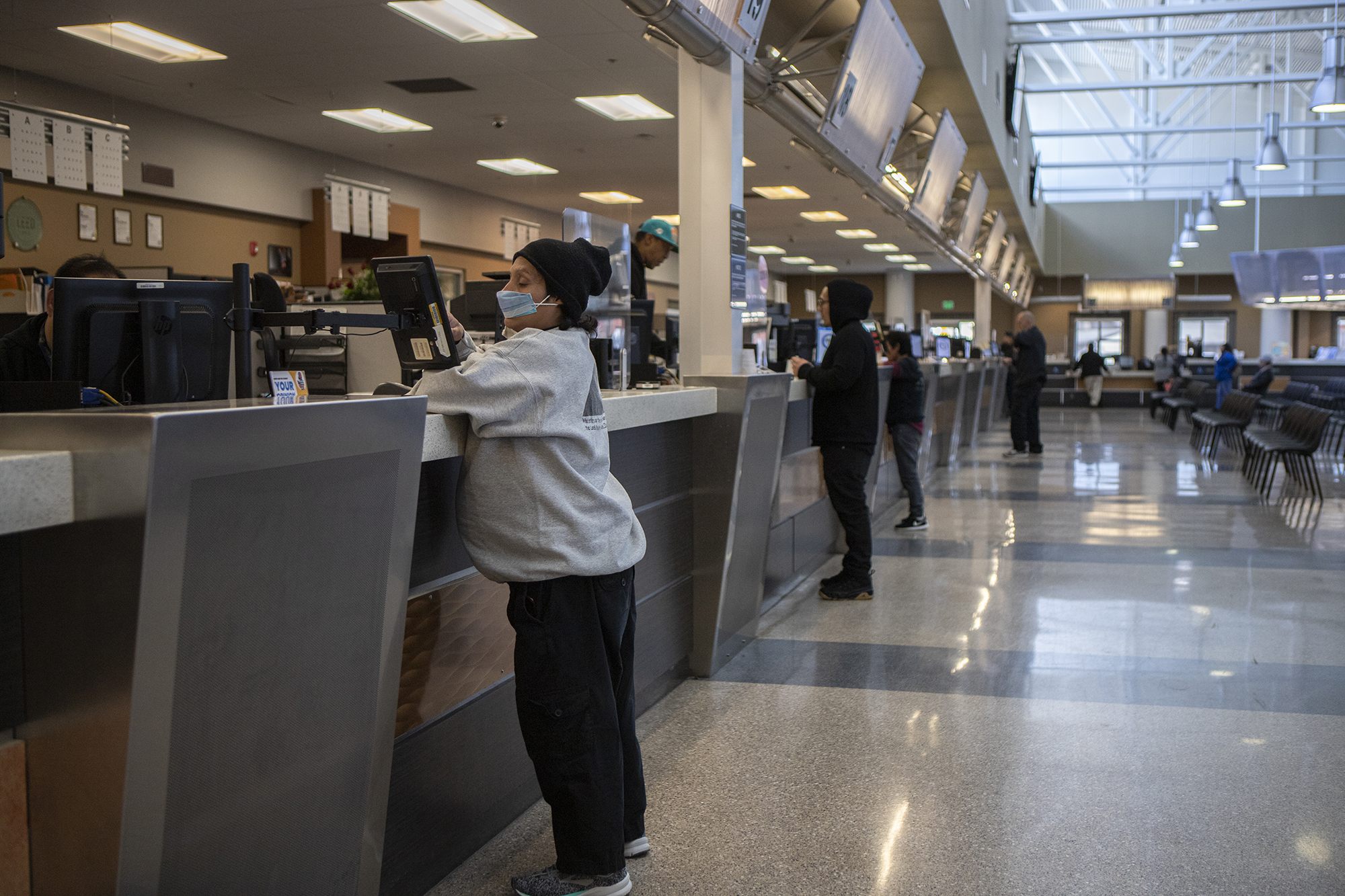
California is poised to share sensitive information about its driver’s license holders with federal agencies, a move met with backlash from immigration and privacy advocates who view it as a significant breach of trust. This initiative includes data regarding undocumented immigrants, notwithstanding a decade-old state law that explicitly prohibits such actions.
In 2013, Assembly Bill 60 empowered over a million undocumented residents to obtain driver’s licenses while ensuring that citizenship status would not be considered during the licensing process. However, during a recent meeting involving the California Department of Motor Vehicles (DMV) and Governor Gavin Newsom’s office, officials revealed plans to comply with the Real ID Act of 2005 by sharing this data with various state authentication systems. Failure to comply could result in the U.S. Department of Homeland Security rejecting California’s licenses and IDs for federal use, such as at airports.
The data to be shared includes the last five digits of Social Security numbers. For individuals without a Social Security number, a placeholder “99999” will be used—potentially putting these individuals at risk of deportation. Advocates have criticized the decision, labeling it a direct betrayal of the assurances given to those who obtained AB 60 licenses.
Tracy Rosenberg, director of privacy advocacy at Auckland, stated that it remains to be seen just how much danger this new policy poses. Nonetheless, she emphasized the importance of the promise made to AB 60 license holders that their data would not be shared. With this policy shift, that promise has been broken.
In order for the initiative to proceed, Congress must approve $55 million to cover associated DMV expenses. While Newsom’s administration claims it continues to support immigrant families, the revelations have raised serious concerns within advocacy circles.
Pet Regulation Bills Aim to Alleviate Costs for Renters
Renter’s in California may soon gain financial relief concerning their pets, pending the approval of two legislative proposals. If passed, these bills would cap the additional rent charged for pets and clarify rental rules related to animal ownership.
One bill in the Assembly proposes a statewide limit on the surcharge landlords can impose for pet ownership, restricting it to no more than 1% of the monthly rent. This proposal also establishes a cap on pet deposits, capping it at 15% of monthly rent and applying only to domestic dogs and cats, relevant to new or renewed leases initiated from January 1, 2027.
The second measure, Senate Bill 1296, would mandate that landlords clearly articulate any no-pet policies in their advertisements, rental applications, or agreements. Should an applicant be ineligible to rent due to a no-pets policy, they may be eligible for a refund of their application fee. Additionally, landlords permitting pets would be required to disclose specific pet policies, including breed and weight stipulations, along with vaccination requirements.
Proposed Mathematics Tests Draw Criticism from Educators
In an effort to address concerning math proficiency rates among California students, Congress is contemplating legislation that would mandate screening for basic math skills in young learners. This proposal has ignited opposition from significant teachers’ unions, which argue that the measure is unwarranted.
Recent reports indicate that only 37% of California’s students met grade-level expectations in math. Experts attribute this deficiency in part to disparities in early education. Some students benefit from extensive mathematical exposure, while others may receive little to none. Proponents of the new screening bill contend that identifying students needing additional support is vital to preventing widening educational gaps.
The California Teachers Association has publicly opposed the bill, which seeks to assess kindergarten, first, and second-grade students on foundational math concepts. The union, along with other educational organizations, argues that California has already adopted a new math framework and that the proposed tests overlook developmental variations among young students.
