


UPDC Real Estate Investment Trust Achieves Remarkable Growth in Q1 2026
UPDC Real Estate Investment Trust (REIT) has emerged as the fastest-growing investment trust in Nigeria, capturing a significant market share. The company reported a robust profit growth of 36% in the first quarter of 2026, driven predominantly by a sharp rise in rental income and a steady expansion of its asset base.
Positive Rental Performance Signals Market Recovery
The growth in rental performance indicates increased occupancy rates and improved pricing across the property portfolio, signaling a gradual recovery in Nigeria’s commercial real estate sector. As the market rebounds, UPDC REIT anticipates further growth as new investors enter. Currently, only three REITs in Nigeria—Union Homes REIT, SFS REIT, and UPDC REIT—have shown resilience. A report from Knight Frank Africa Horizons forecasts that these REITs will collectively generate a rental income of N2.16 billion in 2023, with Nigeria’s REIT market valued at an estimated $600 million by 2024.
Diverse Asset Portfolio Underpins UPDC REIT’s Success
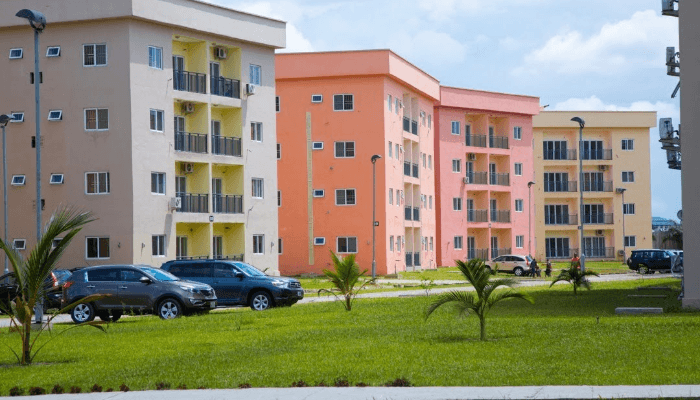
UPDC REIT boasts one of the largest and most diversified portfolios in the industry, consisting of over 100 properties, including office towers, shopping centers, residential complexes, and student hostels located in major urban areas such as Lagos and Abuja. Notable flagship assets encompass the Victoria Mall Plaza in Lagos, the Kingsway Building in Marina, UAC House in Abuja, and the Pan-Atlantic University hostel in Epe.
Market Challenges Highlight Need for Regulatory Reforms
Mr. Odunayo Ojo, the Managing Director and CEO of UPDC, emphasized that Nigeria’s REIT market has faced stagnation for years due to structural issues, particularly the stringent regulations enforced by the Securities and Exchange Commission (SEC). According to Ojo, the requirement for REITs to distribute a significant portion of their profits annually limits their ability to retain earnings, thereby hindering growth opportunities. He explained that while regulations are essential, they also constrain capital raising and profit retention.
Prospects for REIT Market Expansion Amid Reforms
During a recent media engagement, Ojo expressed optimism regarding the gradual adoption of REIT products as the SEC takes steps to relax market restrictions, encouraging new entrants and investments. Despite the significant growth potential present in Nigeria, characterized by a population exceeding 200 million, a housing shortage of approximately 28 million units, and an active rental market where 80% of the population rents accommodation, Nigerian REITs still lag behind their international counterparts.
Investor Education Essential for Market Development
To enhance public interest, REITs must prioritize educating potential investors about the unique benefits of these investment vehicles, including stable cash dividends and distributions. REITs represent a specialized asset class best suited for particular investor profiles due to their continuous dividend payments, unlike other companies that may face earnings fluctuations.
Global REIT Landscape and Nigeria’s Position
The global REIT market is a multi-trillion-dollar industry, currently estimated at $4 trillion. Around 44 countries have established REIT legislation, with over 85% of global REIT asset value concentrated in five nations, predominantly the United States. In Africa, South Africa leads with a REIT market capitalization of approximately $8.5 billion, followed by Nigeria at $600 million and Kenya at $300 million. While countries such as Ghana, Morocco, and Egypt have begun laying the groundwork for REIT legislation, they have yet to see actual listings.
Challenges Persist for Nigerian REITs
Despite some growth, Nigerian REITs continue to struggle, yielding investor returns around 7%, which falls short of South Africa’s 15% and Kenya’s 9%. These discrepancies illustrate the operational inefficiencies and structural bottlenecks inhibiting the sector’s progress. Recent tax reforms designed to exempt REITs from double taxation at both the trust and investor levels may alleviate some challenges, yet regulatory overlap among the SEC, the Federal Inland Revenue Service (FIRS), and the Nigerian Exchange (NGX) creates ongoing compliance issues.
