


Fulani Heritage Shapes Leadership Across West Africa
The Fulani ethnic group holds a unique position in West Africa, boasting influential figures in leadership across at least five African nations. Their political prominence includes current heads of state such as Senegal’s President Macky Sall, Nigeria’s President Muhammadu Buhari, and Gambia’s President Adam Barrow. Additionally, figures like Sierra Leone’s Vice President Mohamed Jallow and former Cameroonian President Ahmadu Ahidjo underscore the group’s historical significance. Notable individuals such as Thomas Sankara of Burkina Faso and Boubou Cissé, former Prime Minister of Mali, further enrich the Fulani legacy within African politics.
Fulani Intellectuals and Their Global Influence
Beyond politics, the Fulani community has produced respected leaders in various sectors. Dame Amina Mohammed serves as the Deputy Secretary-General of the United Nations, while Professor Jibril Aminu has held ministerial roles in Nigeria. Acclaimed journalist Dame Kadaria Ahmed and figures like Ibn Chambas from Ghana illustrate the diversity of Fulani contributions in business, academia, and media. This extensive representation highlights the community’s significant impact across multiple domains.
The Historical Roots of Fulani Leadership
The Fulani’s leadership influence can be traced back to the 18th century, with Sheikh Usmanu Danfodiyo establishing a theocratic caliphate in what is now northern Nigeria. His legacy endures, with modern descendants prominently positioned within Nigerian society, serving as governors, ministers, and leaders in various sectors. This historical prowess has enabled the Fulani to dominate political roles in Nigeria since independence, despite facing current socioeconomic challenges.
The Socioeconomic Landscape of the Fulani Community
While Fulani communities thrive in several West African nations, a stark contrast exists within Nigeria, where significant poverty affects many. Despite their migration from the Futa-Jalon Plateau, representing around 40% of Nigeria’s population, many Fulani within the country exist in dire conditions, including street children and nomadic families. The disparity in wealth and living standards prompts critical questions regarding the obligations of the Fulani elite in addressing these challenges.
The Complexity of Fulani Herdsmen’s Challenges
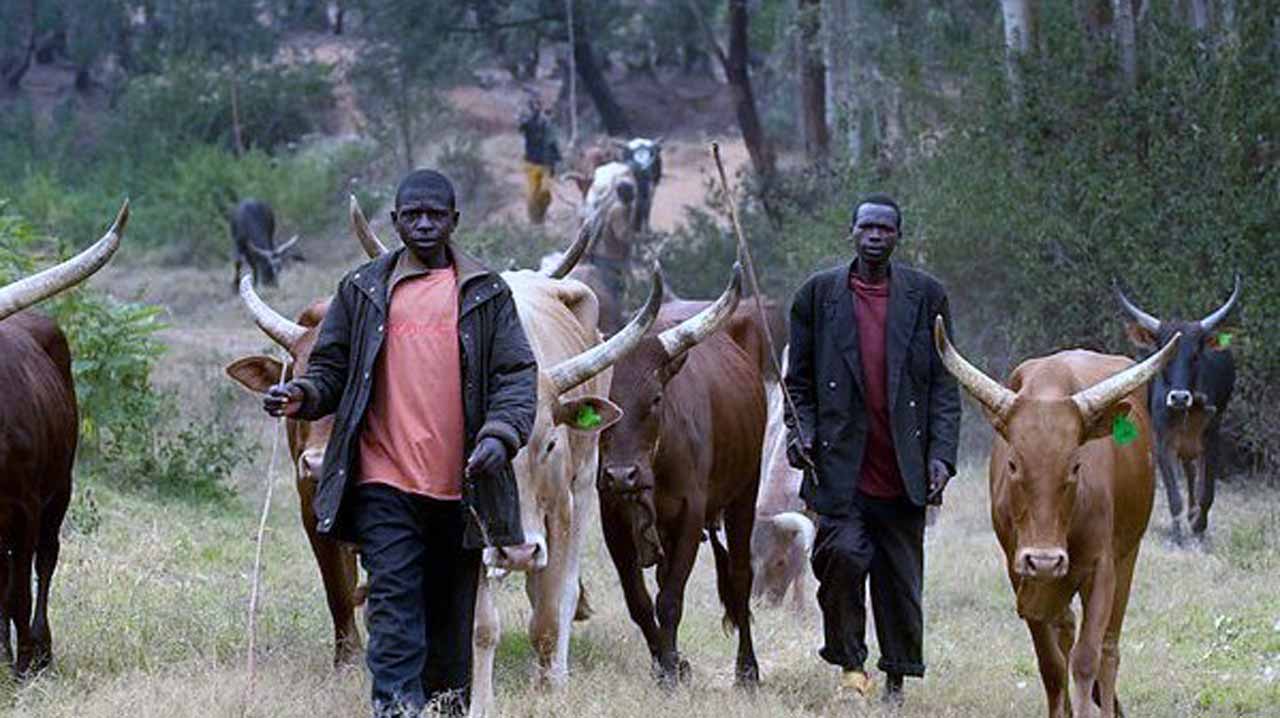
The struggle facing Fulani pastoralists has escalated into broader security concerns in Nigeria, with herdsmen being unfairly stereotyped as perpetrators of violence. Often marginalized, these individuals, including children who should be in school, find themselves embroiled in a cycle of poverty exacerbated by inadequate education and lack of opportunities. Addressing these underlying issues is crucial to transforming their circumstances and breaking this cycle.
Addressing the Roots of Insecurity Through Strategic Solutions
Kidnapping and violence linked to herdsmen are symptoms of deeper societal dysfunction and a lack of robust security systems. Facilitating peaceful ranching practices can alleviate resource conflicts while allowing pastoralists to thrive. Implementing educational programs and establishing ranches, particularly in northern Nigeria with its abundant land, could provide sustainable solutions while fostering economic development.
Rethinking Educational Access for Fulani Children
Enhancing educational access for Fulani children must be a national priority. Historical examples, such as Lagos State’s successful implementation of dual-shift systems, showcase how rapid educational improvements can be achieved. For relatively low costs, community involvement could lead to the establishment of schools that meet the needs of thousands. Philanthropic endeavors by successful Fulani individuals can catalyze transformative change, improving educational prospects for future generations.
Rallying the Fulani Elite for Community Welfare
The responsibility falls on the wealthier segments of Fulani society to address the pressing needs of their less fortunate relatives. Emulating initiatives by other community leaders who actively uplift their disadvantaged members could foster a culture of philanthropy and solidarity. Organizations like MACBAN (Miyetti Allah Cattle Breeders Association of Nigeria) play vital roles in advocating for pastoralists but require the active participation of Fulani elites to address the substantial challenges facing their communities effectively.
