


Supreme Court to Review Immigrant Protections Amid Trump’s Immigration Policies
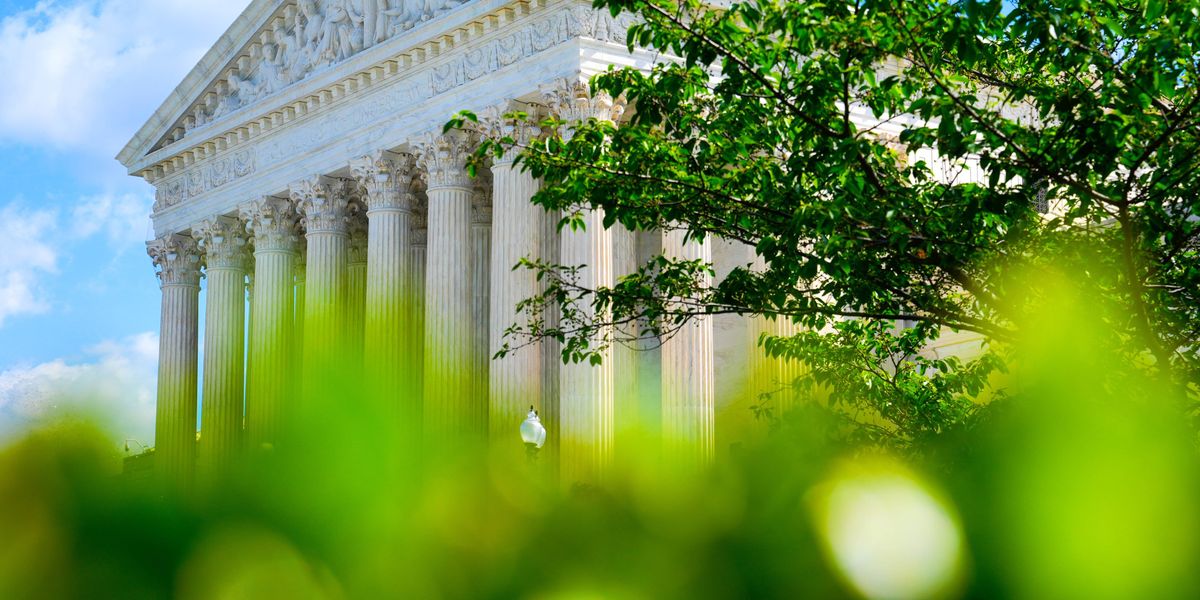
WASHINGTON (AP) — The Supreme Court is set to hear arguments this Wednesday regarding the Trump administration’s efforts to revoke legal protections for immigrants fleeing conflict and natural disasters. This case forms part of a wider examination of immigration matters the court is engaged with, reflecting the administration’s ongoing immigration crackdown.
Government’s Appeal Against Court Order
At the heart of the matter is the government’s appeal against a lower court ruling that halted the Department of Homeland Security’s (DHS) attempts to swiftly terminate Temporary Protected Status (TPS) for individuals from countries such as Haiti and Syria. Should the justices side with the administration, as many as 1.3 million individuals from 17 countries could face deportation.
Legal Challenges and Arguments
Previous judicial decisions have generally favored the administration’s position, allowing the TPS to be revoked for Venezuelan nationals amid continuing legal disputes. However, the justices have refrained from explaining their reasoning in such cases.
Justice Department’s Stance on TPS
The Justice Department maintains that the Secretary of Homeland Security holds the authority to terminate TPS, emphasizing that the current legal framework bars judicial review of such decisions. Federal prosecutors stated in court filings that “no judicial review” effectively means no oversight.
Counterarguments from Immigrant Advocates
In contrast, legal representatives for approximately 350,000 Haitian migrants and 6,000 Syrian migrants assert that courts should have the jurisdiction to evaluate whether the government adhered to specified legal processes. They allege that the administration has inadequately followed the required protocols in both instances.
The Impact of Policy Changes on Immigrants
Since the beginning of Trump’s term, DHS has revoked protections for individuals from 13 different countries. Advocates highlight the severe repercussions for many individuals, including those who have resided and worked legally in the U.S. for over a decade, losing jobs and homes almost overnight. Sejal Zota, co-founder and legal director of Just Futures Law, emphasized that returning to Haiti and Syria poses significant dangers due to ongoing violence and instability.
Tragic Outcomes Fueling Legal Disputes
The severity of the situation is underscored by tragic incidents, such as the case of four Haitian women deported from the U.S. in February, who were later discovered deceased under horrific circumstances. Legal documents cite these realities as potential life-or-death implications for many vulnerable immigrants.
Context of Protected Status for Affected Nations
The decision to grant protected status to Syrians originated in 2012 as a response to the civil war that has devastated the nation for over a decade. For Haitians, TPS was initiated following a catastrophic earthquake in 2010, and it has been extended multiple times due to rampant gang violence that has forced over a million people from their homes.
Personal Stories Highlighting the Stakes
Maryse Balthazar, who has lived in the U.S. under temporary status for 16 years, exemplifies the dire consequences of policy changes. Having arrived in the United States during an earthquake, she now works as a nursing assistant. The healthcare sector heavily relies on immigrants like her. Should Balthazar lose her protections, she fears the very real possibility of homelessness, especially after losing her home in Haiti and facing another potential housing crisis due to gang-related issues.
Additional Immigration Matters on the Court’s Docket
This case is not the only immigration-related issue the Supreme Court is considering this year. The justices are also reviewing President Trump’s initiatives aimed at curtailing birthright citizenship and limiting asylum-seeking processes, showcasing the administration’s overarching strategy to reshape U.S. immigration policies.
