


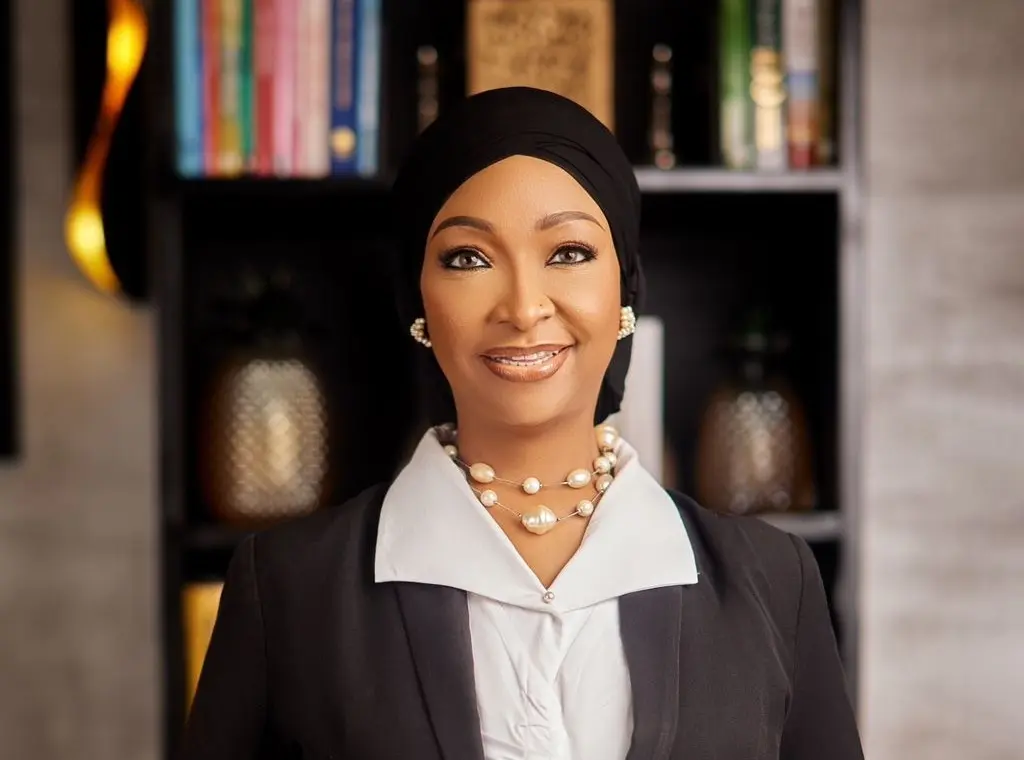
President Tinubu to Swear in First Minister of Arts, Culture, and Creative Economy
On Monday, August 21, President Bola Ahmed Tinubu will officially appoint his cabinet members, marking a significant moment for Nigeria’s arts and culture community with the inauguration of Hannatu Msawa as the country’s first Minister of Arts, Culture, and Creative Economy. This appointment comes at a pivotal time as the nation grapples with economic challenges, particularly rising unemployment, and many stakeholders believe the creative industries could serve as a powerful solution.
Creative Industries as an Economic Powerhouse
The Cultural and Creative Industries (CCI) sector is increasingly being recognized as a hidden treasure within Nigeria’s economy. Experts argue that if effectively leveraged, the CCI could lead to substantial economic transformation. Globally, there has been a striking shift toward integrating creative inputs into economic frameworks, and Nigeria is no exception. A new generation of creators is emerging, empowered by unprecedented access to knowledge and cultural resources online, along with tools for self-expression and learning.
Government’s Focus on Economic Diversification
The previous administration promoted a diversification strategy aimed at encouraging Nigerians to pivot from oil and embrace agriculture and creative industries, which are known for their vast job creation potential. The sectors under this umbrella include architecture, audiovisual arts, publishing, music, and performing arts, all underpinned by a rich tapestry of cultural values and creative expression defined by the national Creative Industries Programme.
Msawa’s Qualifications and Expectations
Hannatu Msawa brings a robust academic background to her new role, holding a law degree from the University of Buckingham and a master’s degree in Maritime Law from Cardiff University. As the head of the newly created ministry, Msawa is expected to elevate Nigeria’s creative industries to unprecedented levels. Currently, the CCI generates approximately $2.25 billion annually in revenue and accounts for over 10% of the national GDP, employing a significant number of young people between the ages of 15 and 29.
Growth Potential of Nigeria’s Creative Sector
Despite the entertainment sector’s growth of 12% year-on-year, it represents just 0.3% of the nation’s total GDP. Analysts believe that with strategic investments in local infrastructure and attractive tax incentives for businesses, Nigeria could secure a sizeable portion of the $2.9 trillion global creative economy. The cultural industry is anticipated to reach a remarkable valuation of $15 billion by 2025.
Challenges and Opportunities in Job Creation
The beauty and lifestyle sectors currently employ around 2.1 million individuals, a figure projected to rise to 2.9 million by 2025. Similarly, the entertainment sector could see employment increase from 1.4 million to 2.1 million during the same timeframe. Although visual arts employ 400,000 people, this number is expected to grow to 1.2 million. However, sectors like tourism and media lag behind, which indicates an urgent need for policy intervention and revitalization.
Call for Policy Revisions and Stakeholder Engagement
At a recent roundtable discussion on the proposed Creative Industries Development Bill (CIDB), participants underscored the importance of a modernized cultural policy that aligns with contemporary needs. Current frameworks are viewed as outdated and ineffective, hindering creative expression and economic growth. Stakeholders emphasized the necessity for the government to engage in robust dialogues to create lasting structural reforms, ensuring that the benefits of a vibrant creative economy reach artists and entrepreneurs alike.
The Necessity for Enhanced Infrastructure and Funding
To facilitate the growth of the creative sector, stakeholders advocate for a proactive government role in establishing adequate funding mechanisms. Professor Abba Isa Tijani, Executive Director of the National Commission for Museums and Monuments (NCMM), highlighted the severe funding shortages that have undermined cultural institutions. He noted that revitalizing Nigeria’s cultural heritage will not only create jobs but will also significantly contribute to the economy. Moreover, experts believe that a robust national gallery could attract millions of visitors each year, generating substantial revenue while showcasing the nation’s artistic legacy.
