


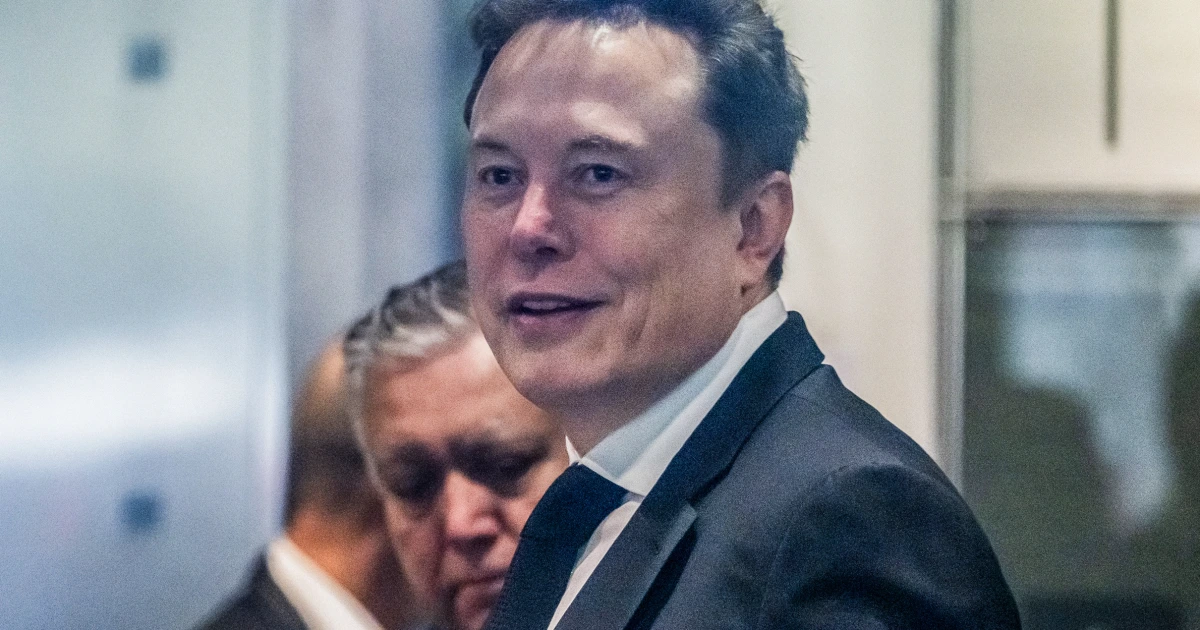
The High-Stakes Trial Between Elon Musk and OpenAI CEO Sam Altman
OAKLAND, Calif. — Elon Musk confronted OpenAI’s legal team during a tense second day of cross-examination in his ongoing trial, setting the stage for a dramatic clash between two prominent tech billionaires.
The co-owners of Tesla and SpaceX have filed a lawsuit against OpenAI CEO Sam Altman, alleging that he has compromised public trust by prioritizing personal gain over the nonprofit mission the two tech leaders had established when they founded OpenAI in 2015.
During his testimony, Musk expressed strong sentiments about the ethical implications of OpenAI’s transition. “It can’t be a two-way street,” he commented, referring to the organization’s shift towards a profit-driven model. He voiced concerns that Altman and his team were profiting while benefiting from the goodwill typically associated with a nonprofit organization.
In October, OpenAI underwent a significant corporate restructuring, transitioning from a profit cap model to a traditional for-profit structure. The organization’s oversight now relies on nonprofit foundations, which recently raised $122 billion in funding, concluding last month.
As the cross-examination unfolded, Musk responded to OpenAI attorney Bill Savitt, who suggested that Musk’s commitment to OpenAI’s nonprofit status was insincere. Musk rebutted that the nature of Savitt’s questions was designed to mislead, particularly when addressing his earlier claims regarding a $100 million donation he allegedly did not make.
Musk subsequently acknowledged that he never fulfilled his initial $1 billion pledge to OpenAI, attributing his decision to a loss of confidence in the organization. He clarified that he had ultimately contributed $38 million, far below his promised figure.
Having resigned from OpenAI’s board in 2018, Musk’s priority is to prevent the AI developer from fully transitioning to a profit-making entity. In 2023, he launched his own AI venture, xAI. “That’s how I’ve approached all my other enterprises,” he stated from the witness stand.
Savitt also pushed Musk to clarify his past remarks about OpenAI staff, suggesting he had referred to them disparagingly. Musk admitted to occasionally using such language, justifying that strong words are necessary to encourage critical self-reflection among team members.
The lawsuit symbolizes a culmination of ongoing tensions between Musk and Altman, whose public disputes have unfolded over the years. Musk is seeking approximately $134 billion in damages from both OpenAI and Microsoft, one of the organization’s significant backers and a co-defendant in this legal battle. His claims suggest that OpenAI benefited immensely from his contributions.
However, Altman’s supporters have countered, asserting that Musk failed to deliver on his financial commitments and departed the organization when he was unable to exert control or align it with Tesla’s interests. Musk clarified in court, “I simply wanted to ensure that it was progressing correctly,” suggesting that initial agreements entailed him maintaining some degree of control that quickly diminished.
Reflecting on his early involvement, Musk characterized himself as “an idiot who gave away free money to create a startup” in his efforts to establish a nonprofit framework free from stock ownership.
