


House Modifies Elections Act to Streamline Election Petitions
The House of Representatives has taken a significant step toward modernizing the electoral process by amending the 2026 Elections Act, allowing petitions related to gubernatorial and national assembly elections to be finalized in the Court of Appeals. This change is part of a broader initiative aimed at integrating technology into the election petition process.
Technology Integration Aims to Enhance Efficiency
The proposed amendments are designed to introduce technology-driven services, including electronic communications via email, SMS, and other digital platforms. These enhancements seek to reduce delays, mitigate technical challenges, and improve the efficiency of resolving election disputes.
Collaboration Among Lawmakers
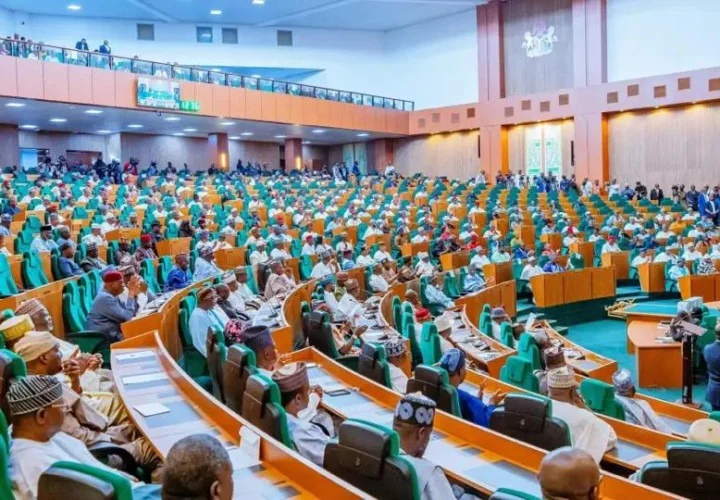
The resolution was passed following a report from the Committee of the Whole of the House Elections Affairs Committee. During the plenary session, lawmakers approved two bills on their second reading before referring them to the Committee of the Whole, led by Speaker Dr. Benjamin Cull and Deputy Speaker.
Committee Chair Highlights Key Objectives
Adebayo Balogun, Chairman of the Electoral Affairs Commission, outlined the main goals of the bill. He emphasized the importance of clarifying the court’s jurisdiction over pre-election matters, facilitating speedy and efficient adjudication, and leveraging technology in the election petition procedures. This modernization aims to reduce delays and the complexities often associated with serving court proceedings.
New Requirements for Candidates
The first amended bill modifies Article 29(8), mandating candidates to provide both physical and electronic contact details, such as email addresses and phone numbers. The amendments also allow for multiple forms of service, including personal delivery, registered post, and electronic transmission, as long as there is proof of transmission to validate the service.
Clarifying Jurisdiction in Pre-Election Matters
The second bill addresses jurisdiction in pre-election matters, introducing a new Section 29(a). This section empowers the Federal High Court to exercise original jurisdiction over pre-election matters related to Congress, state legislatures, and gubernatorial offices. Election petitions will ultimately be directed to the Court of Appeals. Balogun noted that reliance on physical services alone is outdated and can lead to manipulation and logistical difficulties.
Provisions for Judicial Efficiency and Clarity
Balogun also pointed out existing inconsistencies in the legal framework governing jurisdiction, which often result in contradictory judicial decisions. The proposed changes are aligned with Article 285 of the 1999 Constitution of Nigeria and reflect international best practices in electoral dispute resolution. By delineating jurisdictional boundaries and incorporating technology, the amendments aim to enhance the credibility and efficiency of Nigeria’s electoral system.
Regulatory Changes to Combat False Information
Additionally, alterations to Article 29(5) will facilitate actions against candidates who provide false information in affidavits regarding constitutional requirements for participating in elections. A new section emphasizes that pre-election matters must align with this article, ensuring that disputes over candidate nominations and other related issues are promptly addressed in the Federal High Court, with appeals allowed in the Court of Appeals.
Addressing Concerns About Digital Communication
While some representatives expressed concerns about potential pitfalls, such as emails being directed to spam folders, both Speaker Kalu and Balogun clarified that the amendments will not eliminate traditional methods of communication but will instead diversify the channels available for service delivery.
