


Global Call to Action Amid Rising Violence in Nigeria’s Middle Belt
As Christian families gathered for prayer during Palm Sunday and Easter, armed attacks erupted across Nigeria’s Middle Belt. Villages were assaulted, homes set ablaze, and communities forced to flee into hiding. This wave of violence was neither accidental nor disorganized; it was meticulously planned and insidiously timed, highlighting a devastating reality for the region.
In response, a coalition of over 80 civil society organizations has declared that silence is no longer an option. On April 24, 2026, Middlebelt Konzern launched an urgent international petition, appealing to the United Nations, the African Union, ECOWAS, the European Parliament, the United States, the United Kingdom, and other democratic nations for intervention. The petition aims to address what is officially classified as an ongoing genocide targeting predominantly Christian rural communities in Nigeria.
The 10-page document, titled “Stop the genocide in Nigeria’s Middle Belt and avert the looming refugee crisis in West Africa,” serves as both a desperate plea for assistance and a scathing critique of a government the coalition believes has enabled these atrocities, whether through inaction or complicity.
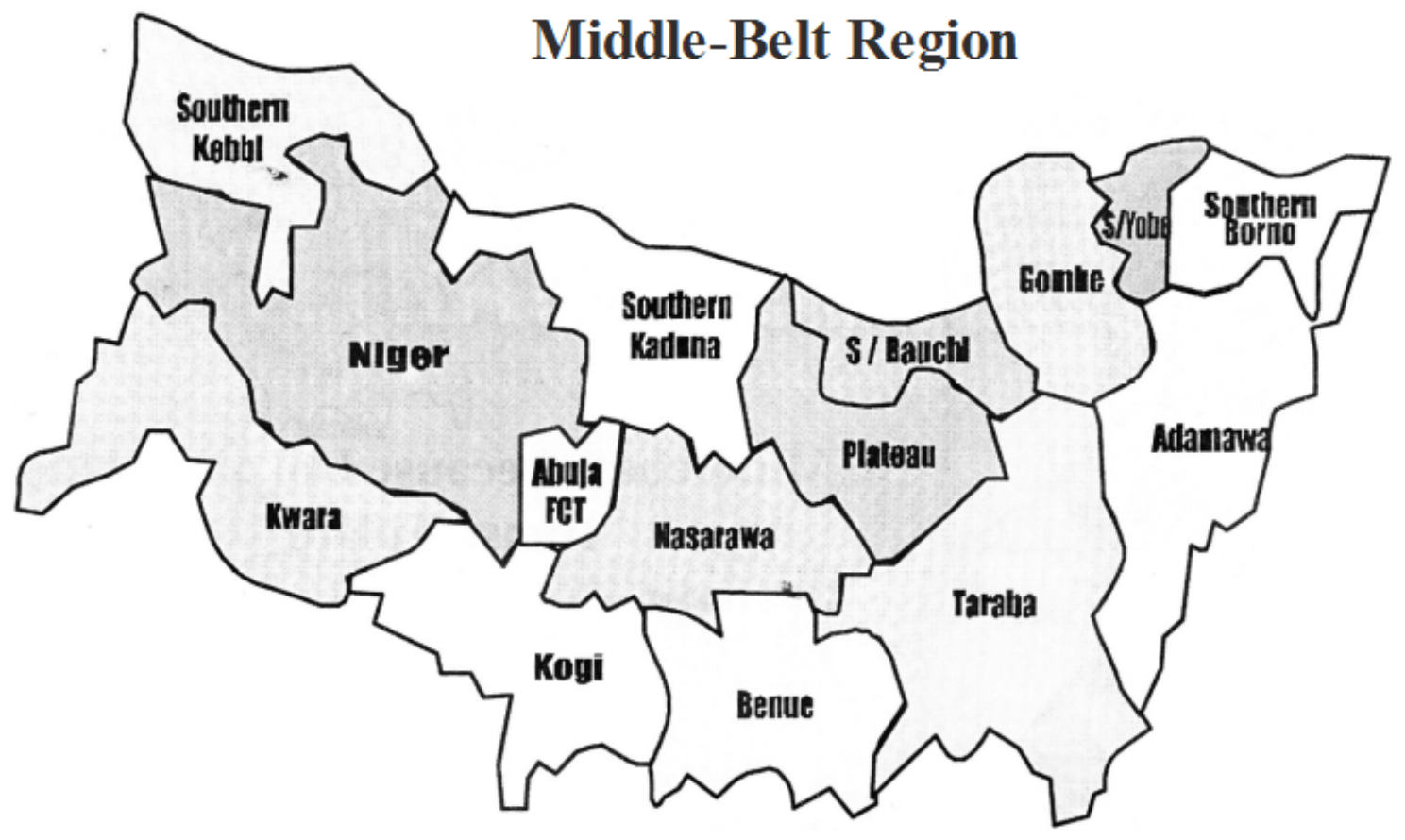
The Middle Belt, home to over 50 million people and more than 400 indigenous groups, encompasses states like Benue, Kaduna, and Nasarawa. Renowned as Nigeria’s agricultural heartland, this region is vital for the country’s food supply. However, it has faced relentless onslaughts from Islamist terrorist factions and Fulani militants, leading to villages being reduced to ruins, fields abandoned, and generations of cultural heritage obliterated.
The scale of the humanitarian crisis is staggering, with millions forcibly displaced from their homes. Families that have cultivated lands for centuries now find themselves as refugees within their own nation, crammed into camps or urban areas while their ancestral homelands are occupied by outsiders.
Middlebelt Concern argues that the Nigerian government’s response has been one of inaction and paralysis at best, and complicity at worst. The coalition directs particular criticism at the Office of the National Security Advisor (ONSA), claiming it has overseen a long history of intelligence failures, selective law enforcement, and preferential treatment for those perpetrating the violence.
The current National Security Advisor’s characterization of violent terrorists as “brothers who want peace” has further inflamed tensions, suggesting a troubling bias within Nigeria’s highest security leadership. According to the coalition, this office has supported the country’s disarmament and rehabilitation initiatives, which offer aid to so-called “repentant terrorists” while leaving their victims landless and without justice.
The coalition also highlights ongoing mining operations in conflict zones, arguing these exploitative activities exacerbate violence rather than alleviate it. Terrorism has, alarmingly, morphed into a business strategy for land acquisition, with the Nigerian state seemingly complicit through its inaction.
Moreover, they warn that persistent neglect could lead to fallout that extends beyond Nigeria’s borders. Instability in Africa’s most populous nation threatens to create a refugee crisis that could unravel security in neighboring countries already grappling with their own challenges. A domestic failure in protecting citizens could swiftly escalate into a regional catastrophe with far-reaching global implications.
To address these concerns, Middlebelt Konzern calls for immediate international diplomatic, legal, and economic pressure on Nigeria. This is a matter of moral obligation, guided by the principle of ensuring that the promise of “never again” remains meaningful. Their demands include restructuring Nigeria’s national security leadership, the removal of the National Security Advisor, a cessation of mining in conflict areas, safe repatriation for displaced persons, reparations for survivors, and an end to the DDRR program that benefits terrorists.
The reality remains grim. Farms lie fallow, churches stand charred, and communities await action. The world is now aware of the situation—what remains uncertain is whether the international community will take decisive measures before the Middle Belt joins the ignominious list of genocides in history, watched only by a world hesitant to intervene.
For further details or to lend your voice, visit the online petition at https://bit.ly/NigeriaMBCPetition10Apr26.
