


Reflections on Nigeria’s Independence and Current Challenges
Hope embodies the belief that our desires will ultimately be fulfilled. This sentiment guided Nigeria’s founding fathers and mothers in their pursuit of independence from British colonial rule. Nigeria successfully gained its independence on October 1, 1960, followed by its establishment as a republic in 1963.
The Burden of Disillusionment
With independence came the expectation that Nigeria would be self-governed and emerge as a leading nation in Africa and beyond. Unfortunately, the current landscape reveals a stark contrast to those aspirations, painting a picture of a nation whose hopes have been compromised.
Escalating Insecurity and Violence
Fear and insecurity permeate everyday life in Nigeria. Brutal murders, kidnappings, and other heinous acts occur with alarming frequency. The basic principles of human dignity are routinely disregarded, leaving citizens vulnerable to violence. Despite government assurances of control, the reality of escalating crime casts doubt on these claims.
A Call for Genuine Accountability
While officials often highlight their successes in combating crime, the stark increase in violent incidents suggests a troubling disconnect between rhetoric and reality. The persistent prevalence of criminals undermines the credibility of their assurances. The government and security agencies must shift their focus from mere awareness to effective action in addressing these challenges.
A Collective Right to Safety
We must urgently demand action from our leaders, free from deception and complacency. Nigeria belongs to all its citizens; no group possesses the exclusive right to instill fear or cause harm. It is essential for individuals to feel secure and empowered to protect themselves in the face of mounting threats.
Democracy Day: A Moment for Sober Reflection
The anniversary of Nigeria’s civil rule on May 29 should inspire introspection rather than mere ceremonial speeches. With the nation facing serious threats of disunity, it is vital that we collectively address the underlying issues threatening our stability and cohesion. Failure to do so could lead to catastrophic consequences for our society.
The Urgency of Leadership Changes
As we continue to strive for genuine democracy, it is crucial that we elect leaders who are both committed and capable of serving the people’s interests. Our nation desperately needs leaders who inspire trust and possess a vision for the future. We must reject outdated political systems that favor militarization and gerontocracy in favor of a more inclusive governance model.
Breaking the Silence and Taking Action
Inaction is a disservice to our nation. It is imperative that patriotic citizens rise in unison against lack of discipline, injustice, and any form of bias that undermines national interests. Now is the time for actionable change rather than finger-pointing or endless debates. We must protect the integrity of Nigeria and work diligently to prevent its decline.
Honoring Past Sacrifices
Lastly, it is crucial for the Federal Government to recognize the significance of June 12, 1993, and the contributions of figures like Chief Moshood Kashimawo Olawale Abiola. The legacy of that date paved the way for the democracy we celebrate today. Let us remember that the spirit of resilience demonstrated in those pivotal moments continues to influence our political landscape.
Brothers and sisters, let us stand together and strive for a better Nigeria. May God bless, protect, and guide our nation.
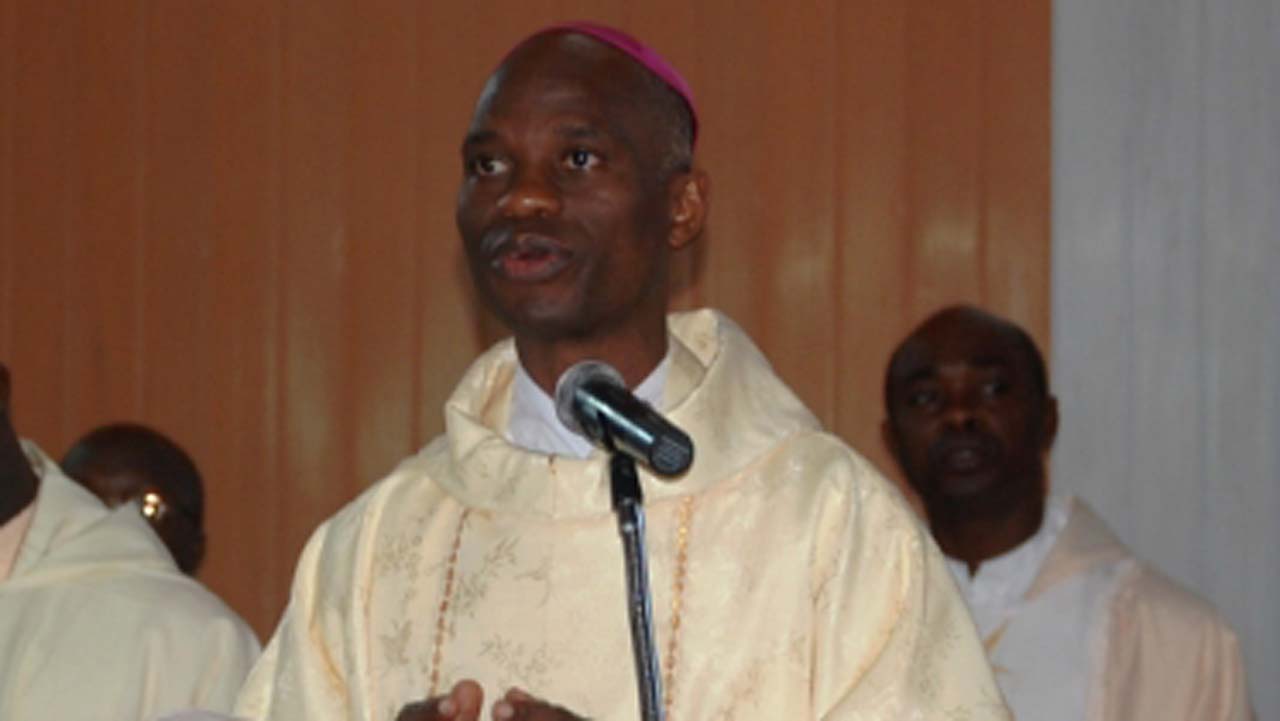
Pastor Ajakai is the Bishop of the Catholic Diocese of Ekiti.
