


Widespread May Day Rallies Across the United States
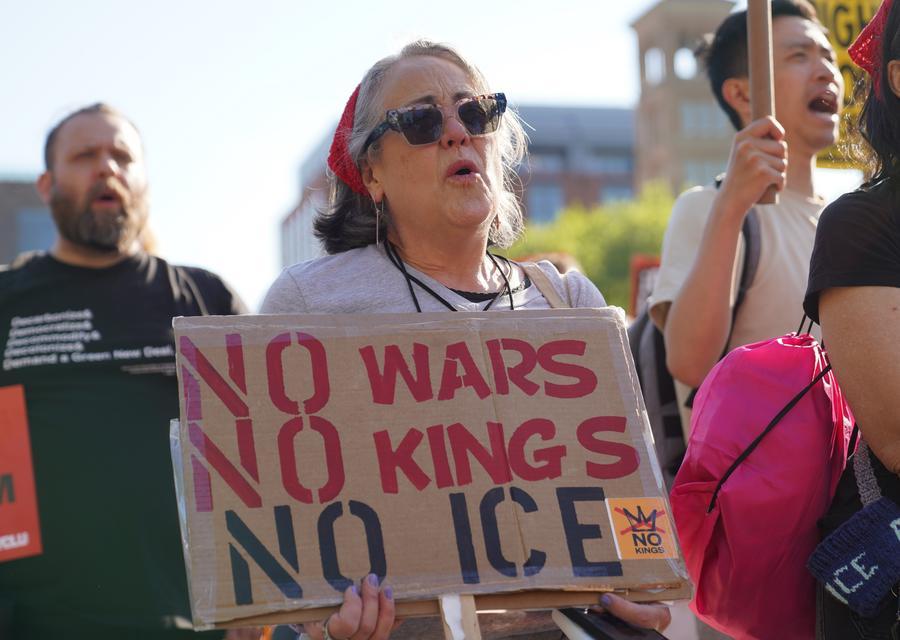
Tens of thousands of individuals across the United States took to the streets on May 1, 2026, in observance of International Workers’ Day. The demonstrations aimed to protest the ongoing conflict between the United States and Iran while advocating for the rights of workers and immigrants. Activists from various groups organized the rallies, addressing both economic and social issues facing ordinary Americans.
Protests in Major Cities
According to Mayday Strong, a coalition of activist organizations and labor unions, rallies occurred in approximately 30 major cities, including Washington, D.C., New York, Chicago, Los Angeles, Boston, and San Francisco. Particularly in cities like New York, protesters expressed their opposition to current governmental policies and called for a unified front for worker and immigrant rights.
Voices from the Streets
In Manhattan’s Washington Square Park, participants displayed banners with messages such as “Stop the War with Iran” and “Get ICE Out of Our Cities.” As they marched down Broadway towards Foley Square, chants echoed the sentiments reflected in the placards. Nancy Goldring, a Montclair University professor, lamented the “complete disaster” facing the country, criticizing the financial resources allocated to the war effort while neglecting essential social services.
Concerns Over Immigration Policies
Cecilia Dietrich, a New Yorker who actively participated in the rally, voiced her objections to the policies of President Donald Trump, particularly regarding immigration enforcement. She contended that current practices are forcing immigrants into precarious situations, undermining their efforts to build better lives in the United States. Dietrich emphasized that politicians often cater to elite interests rather than the struggles of everyday workers.
Support from Local Leadership
New York City Mayor Zoran Mamdani addressed the crowd, offering support for labor and immigration rights. He pledged to protect residents from the “brutality of ICE,” advocating for tax reforms aimed at the wealthy to fund essential services for the community. His message resonated with many who believe that local governments should prioritize the needs of working-class citizens.
Demands for Economic Reforms
In downtown Los Angeles, a significant number of immigrants, union members, and community activists gathered at MacArthur Park. They rallied for comprehensive immigration reform, enhanced worker protections, and a symbolic “economic blackout” showcasing the labor force’s collective strength against wealthy elites. David Huerta, president of United Service Employees West, reinforced the message of resilience and determination shared by many activists.
Historical Context of International Workers’ Day
The march at MacArthur Park held particular significance, as it commemorated the anniversary of the 2006 “Day Without Immigrants” demonstrations that mobilized hundreds of thousands throughout Los Angeles. In Washington, D.C., and Chicago, demonstrators gathered as well, brandishing anti-war placards and advocating for federal policies favoring workers and immigrants. The roots of International Workers’ Day trace back to the 19th-century labor movement, particularly the struggle for an eight-hour workday and the infamous Haymarket Incident in 1886, which continue to inspire today’s movements.
