


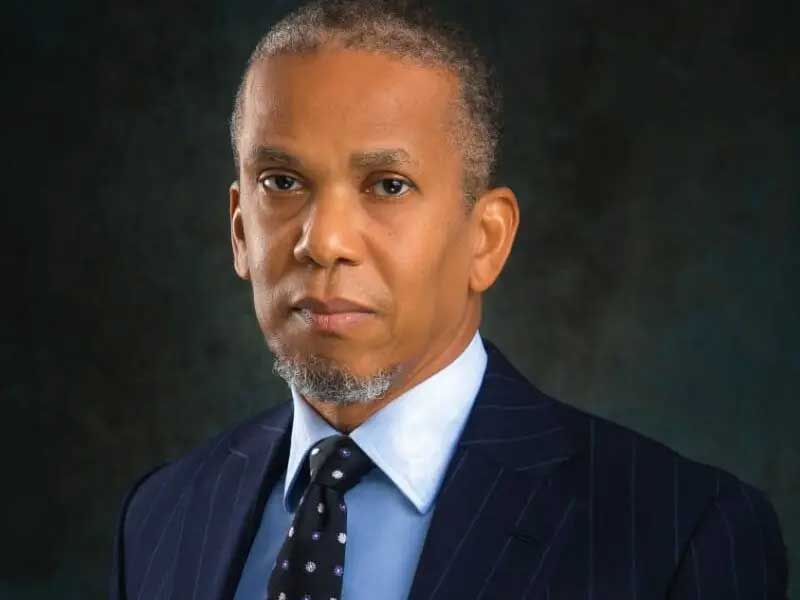
Senator Dafinon Highlights Nigeria’s Development Challenges
Senator Olorogun Ede Dafinon, representing the Delta Central Region, cautioned that Nigeria risks squandering its vast potential if it fails to translate capacity into productivity. During a lecture titled “Harnessing Nigeria’s Potential: Strategies for Sustainable Development,” he stressed the importance of discipline, innovation, and institution building for national growth.
Addressing the Class of 2026
Speaking to the Class of 2026 at the Delta State University (DELSU) in Abraka, Dafinon described Nigeria as “one of the most blessed countries on earth.” However, he lamented that the nation continues to grapple with poverty, unemployment, ineffective institutions, and inadequate infrastructure.
The Core Challenge of Nigerian Development
Dafinon posed a critical question regarding what he terms the “Nigerian problem,” inquiring, “Why is the potential so widely distributed in the countries of the earth reflected so unevenly in productivity?” He asserted that Nigeria’s primary issue is not a lack of talent, but rather a systemic failure. He stated, “The question is not whether Nigeria will ultimately develop. The question is whether this generation will be the one that turns our potential into productivity, our promise into performance, and our abundance into prosperity.”
Potential versus Productivity
Highlighting the significant gap between potential and productivity, Dafinon explained, “Potential represents a capability. Productivity is the consistent use of that capability over time, within a system that amplifies or constrains effort.” He warned against the pitfalls of embracing “dangerous narratives of inadequacy,” stating that internalizing such narratives can hinder the hard, unglamorous work essential for building institutions and systems.
The Road to Sustainable Development
According to Dafinon, achieving sustainable development demands long-term discipline rather than mere rhetoric. Drawing lessons from rapidly developing nations, he underscored the necessity of establishing strong systems to foster growth.
AI and the Future of Work
On the topic of the global economy, Dafinon acknowledged the potential of artificial intelligence but cautioned about its limitations. “AI doesn’t fix weak tissues. It doesn’t pave roads. But for individuals, AI is a true power multiplier,” he said. He encouraged graduates to prioritize continuous learning and skill development, emphasizing that formal education should be viewed as a starting point in their careers.
Encouraging Commitment to Nigeria
Touching on the rising trend of immigration, Dafinon urged the graduates to remain in Nigeria, stating, “We need you here. Not just some of you, but many of you—the best, the most capable, and the most courageous—to stay and fight for this country from within.” He also criticized the nation’s poor implementation culture, emphasizing that while Nigerians excel at envisioning a bright future, they often struggle with the systematic, detail-oriented work required to realize that vision.
A Call for Discipline and Focus
Dafinon urged graduates to maintain discipline and focus, stating, “Potential is yours. Productivity—what you do with that potential, how consistent, how disciplined you are—is still something to decide.” His remarks resonated strongly with attendees, including DELSU Vice-Chancellor Professor Samuel Asagba, who described the lecture as “insightful and thought-provoking,” encouraging graduates to apply these lessons in their future endeavors.
