


UNICEF Identifies Gaps in Maternal and Child Health Services in Nigeria
Funmi Ogundare
The United Nations Children’s Fund (UNICEF) has pinpointed significant leadership, governance, and management deficiencies that impede the effective provision of maternal and child health services in the Nigerian states of Kwara, Sokoto, and Adamawa. These gaps were revealed through a baseline assessment carried out by Development Governance International (DGI) Consult on behalf of UNICEF.
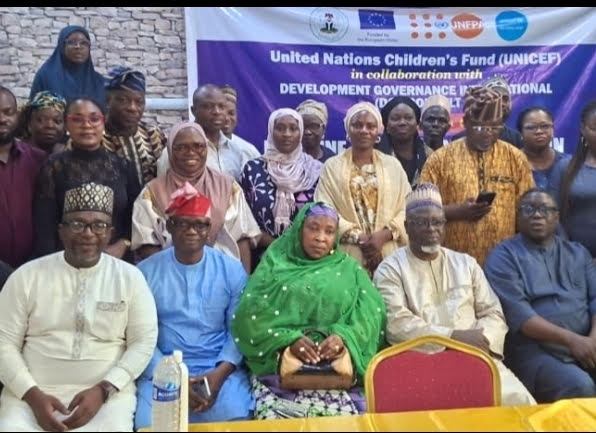
The findings, which encompass all facets of health leadership and management within the three states, were recently presented to key health stakeholders in Ilorin, Sokoto, and Yola for validation. These discussions highlighted pressing challenges that afflict the healthcare system.
Among the primary issues identified are a limited technical understanding of planning and implementation processes, unclear terms of reference for technical working groups, and the failure to effectively solidify the Reproductive, Maternal, Newborn, Child, and Adolescent Health and Nutrition (RMNCAH+N) strategic plan, according to the report. Additionally, there are concerns regarding fragmented supportive supervision, inadequate data utilization for decision-making at facility levels, and ongoing understaffing, alongside an inequitable distribution of health workers.
This assessment aligns with a broader UNICEF initiative aimed at enhancing leadership, management, and governance capabilities related to RMNCAH+N and gender-based violence (GBV) services throughout these states. At a verification workshop in Ilorin, the Kwara State Health Commissioner, Dr. Amina Ahmed El Imam, representing the Permanent Secretary, Taohid Abdullahi, acknowledged the findings as a wake-up call, despite ongoing improvements in RMNCAH+N services.
While recognizing the positive impacts of the EU-SARAH initiative, he emphasized the urgency to fortify leadership and governance systems within the health sector. In Sokoto, Dr. Danjuma Nemia, UNICEF Field Representative, expressed confidence that addressing the identified gaps, coupled with subsequent interventions, would markedly enhance healthcare delivery in the region.
In Yola, Mr. Zira Mathias Bubavi, the Permanent Secretary and Acting Commissioner for Health in Adamawa State, welcomed the initiative and acknowledged the need to tackle institutional gaps. He expressed optimism about actionable steps stemming from the evaluation.
Khilfi Mansour Habib, Director of the World Health Organization (WHO), deemed the initiative timely, underscoring its potential to align ongoing efforts, highlight service delivery gaps, and prioritize evidence-based interventions to expedite progress in critical health areas. DGI Chief Executive Officer Dr. Ghafar Alawode stated that the baseline assessment aims to inform targeted interventions, unveiling plans to establish a community of practice to foster collaboration among the three states and an RMNCAH+N fellowship to demonstrate implementation outcomes.
Elaborating on the project’s objectives, Alawode noted its emphasis on enhancing collaboration, refining annual operational planning, digitizing resource tracking, and institutionalizing data-driven decision-making. Additionally, he highlighted a focus on strengthening human resource management through functional technical working groups and establishing a robust family health department within the state health ministries. He underscored that this initiative underscores the significance of evidence-based decision-making in enhancing health outcomes and pointed out the critical need for strong stakeholder engagement to achieve sustainable advancements in maternal and child health care delivery.
