


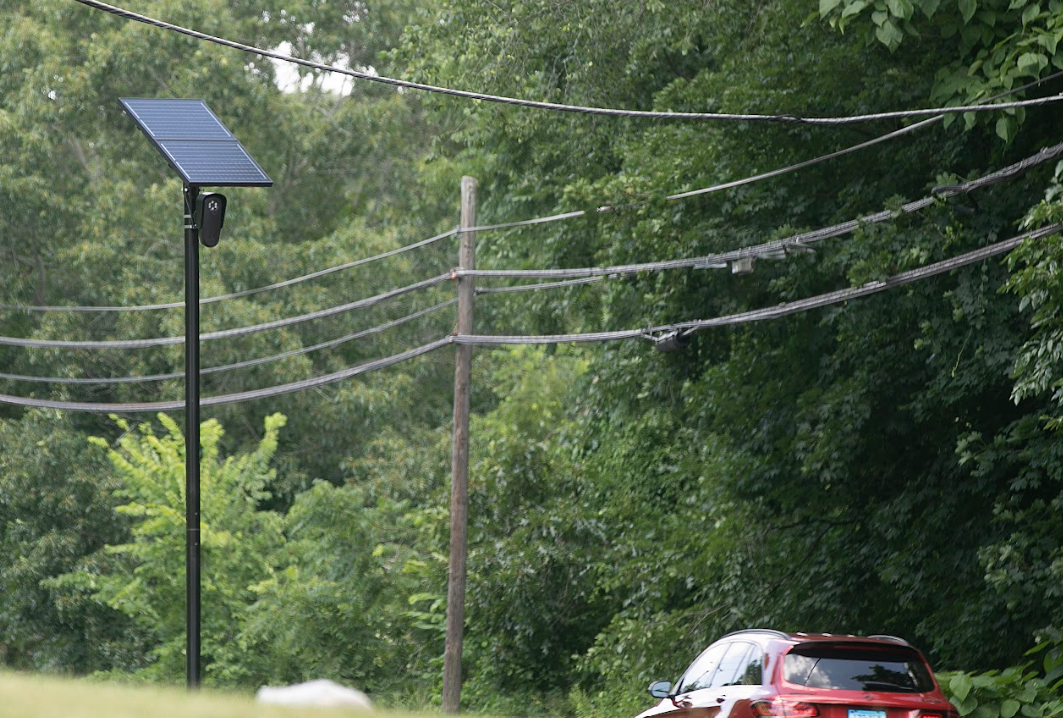
Connecticut Tightens Regulations on License Plate Cameras
On Monday, Governor Ned Lamont signed comprehensive regulations delineating how police departments in Connecticut utilize automatic license plate recognition (ALPR) cameras. These cameras, which capture images of the rear of moving vehicles, are employed by numerous police departments across the state for various criminal investigations.
New Restrictions on Data Sharing
The new regulations form part of a broader federal immigration enforcement bill, specifically prohibiting police departments equipped with these cameras from sharing license plate data with out-of-state agencies that might use it to investigate immigration violations.
Investigation Sparks Legislative Action
This legislative move follows an investigation by CT Insider, which highlighted that the Connecticut State Police had been sharing ALPR data collected from cameras provided by Atlanta-based company Flock Safety. This data was accessible to a national network, allowing out-of-state agencies to perform numerous searches related to immigration enforcement.
Legislative Support for Enhanced Privacy
Representative Steve Staffstrom, a Democrat from Bridgeport, emphasized the importance of closing loopholes that could undermine Connecticut’s strong trust laws, which limit information sharing with immigration authorities. He noted the concern that data could be easily accessed through systems like Flock Safety, circumventing existing protections.
Conditions for Data Sharing with Neighboring States
The new law permits Connecticut law enforcement agencies to share license plate data with counterparts in Massachusetts, New York, or Rhode Island, as long as these states agree not to use the data for purposes related to immigration, reproductive health, or gender-affirming medical research.
Regulations and Oversight Measures Implemented
The law establishes storage limits for license plate camera data and mandates that law enforcement agencies submit reports detailing system usage. Additionally, it assigns the attorney general the authority to enforce these regulations, with Attorney General William Tong indicating his intent to investigate any improper raids reported by CT Insider.
Balancing Crime Prevention and Civil Liberties
While the provisions aimed at regulating ALPR usage garnered significant support, they also faced pushback from some Republican lawmakers. Concerns were raised about the potential hindrance to law enforcement’s ability to solve violent crimes and pursue suspects who cross state lines. Trumbull Republican Representative David Rutigliano expressed confusion over the restrictions, stating that local law enforcement has effectively recovered numerous stolen vehicles with the assistance of these cameras.
Legislative Process and Political Divides
The license plate camera regulations were incorporated into a controversial immigration bill, which saw extensive debate. Among its provisions, the law introduces penalties for federal immigration agents found to have violated civil rights. Notably, no Republicans in either legislative chamber voted in favor of the bill, underscoring the political divide surrounding this issue.
Reassurances on Data Privacy Standards
Senate Majority Leader Bob Duff reinforced the necessity of these regulations for safeguarding Connecticut residents, asserting that they are part of a democratic agenda aimed at curbing governmental overreach. He has consistently advocated for maintaining confidentiality around license plate data, fearing misuse by individuals looking to compromise the privacy and safety of residents. The law includes exceptions allowing the public to request basic information regarding the locations of ALPR cameras and documentation on their usage by police departments, ultimately maintaining a careful balance between transparency and privacy.
