


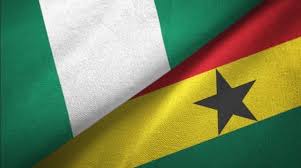
Nigeria and Ghana Enhance Cooperation Against Drug Trafficking
Nigeria and Ghana are intensifying their collaborative efforts to combat drug trafficking syndicates operating in West Africa. With a firm commitment to disrupt criminal operations, both nations are implementing coordinated enforcement measures and bolstering intelligence-sharing frameworks.
Brig. General Buba Marwa (RTD), the Director of the National Drug Law Enforcement Agency (NDLEA), has emphasized that the two countries are now more united than ever in their approach to addressing cross-border drug crimes. During a meeting in Abuja with a delegation led by General Maxwell Obuba Manti from the Ghana Narcotics Control Board, Marwa underscored the importance of strategic alliances in an increasingly challenging environment.
Marwa characterized the meeting as a pivotal step that extends beyond mere diplomatic relations, highlighting the urgent need for enhanced regional collaboration in light of the growing complexity of drug trafficking alongside money laundering activities. He issued a stark warning to those involved in the drug trade, stating, “Let this be a warning to those who seek to destabilize society with illegal drugs. Nigeria and Ghana stand together.” He affirmed that joint operations driven by intelligence-led strategies would significantly diminish the operational capacities of drug cartels.
A key element of this renewed partnership was the signing of a Memorandum of Understanding (MoU) between the two agencies. This agreement establishes a formal structure for collaboration targeting the production and trafficking of psychotropic substances, precursor chemicals, and associated financial crimes.
Marwa noted that the MoU elevates a pre-existing strong relationship into a “structured and aggressive united front” against drug traffickers. He further indicated that Nigeria and Ghana would enhance joint training programs, improve digital forensics cooperation, and coordinate their operations throughout the West African corridor.
General Mantei acknowledged Nigeria’s significant role in regional security, highlighting the longstanding relationship between the two countries founded on shared history and mutual respect. He asserted that this visit was focused on reinforcing the existing partnership rather than initiating new relationships.
Mantei warned that the dynamics of drug trafficking in West Africa are becoming increasingly intricate, with traffickers adopting sophisticated methodologies, expanding their maritime routes, and amplifying the production and distribution of synthetic drugs. He pointed out that Ghana’s role has evolved from primarily serving as a transportation hub to facing growing challenges related to domestic drug usage and distribution.
Highlighting the need for a united front, Mantei stated, “No country can effectively deal with this threat in isolation,” calling for practical cooperation through joint operations, information sharing, and the enhancement of institutional capabilities. He asserted that the success of this partnership hinges on concrete actions, including coordinated enforcement efforts and enduring collaboration between the two agencies.
The meeting, which took place at the NDLEA headquarters in Abuja, was attended by senior officials from both countries, along with representatives from the Ghana High Commission. This new alliance represents a significant regional effort to tackle organized drug networks as concerns escalate regarding their impact on security, governance, and public health across West Africa.
