


Visa Applications Impact Medical Professionals
Dr. Faisal Alghula, a Libyan physician, is facing challenges in renewing his green card, which is crucial for his practice serving approximately 1,000 patients in southwestern Indiana. Since the previous administration halted reviews of applications from individuals from various high-risk countries, including Libya, his path forward has been obstructed.
Alghula’s visa is set to expire in September, rendering his situation increasingly urgent. Fortunately, recent government actions have offered a glimmer of hope. Last week, exemptions were granted for doctors with pending visa or green card applications, potentially facilitating progress on Alghula’s pending case. This change, actively pursued by medical groups and immigration attorneys for months, highlights a pressing need due to severe physician shortages in underserved areas, as noted by the National Library of Medicine.
The physician shortage is particularly concerning for Alghula, who specializes in pulmonology and intensive care. He often serves rural communities across Indiana, Illinois, and Kentucky. “It may take four to five months for a new pulmonologist to arrive,” he lamented, emphasizing the critical lack of healthcare resources in his region.
Despite the recent exemption, many applicants and immigration lawyers remain uncertain about the impact on their cases. While it allows for reconsideration, it does not guarantee approval, leaving foremost concerns regarding whether the U.S. Citizenship and Immigration Services will process applications swiftly enough to meet key deadlines.
Dr. Alghula expressed skepticism about receiving government recognition, pointing to numerous accounts where migrants faced detention during renewal appointments. “I’m afraid to attend interviews,” he stated, reflecting the anxiety many experience while navigating the complex immigration landscape in the U.S.
Broad Impact on Immigrants’ Lives
The effects of the policy extend beyond medical professionals. Thousands of individuals, including researchers and entrepreneurs from over 30 countries such as Iran, Afghanistan, and Venezuela, are also unable to legally work or obtain essential services like health insurance and driver’s licenses due to similar suspensions. Those who leave the U.S. risk being barred from re-entry.
Last year, the previous administration stopped reviewing green card and visa applications from applicants hailing from high-risk countries, leading to heightened scrutiny and delays amidst a considerable immigration crackdown. The policy shift arose following a security incident involving an Afghan national, which fueled further restrictions cited by government officials as necessary for national safety.
Staying abreast of demands, the Department of Homeland Security, which manages immigration enforcement, asserted that the need for thorough vetting is paramount to prevent any recurrence of oversights highlighted in previous administrations. Greg Siskind, an immigration attorney in Memphis, remarked that many bans aim to deter individuals from living legally in the U.S., driving them to consider relocation to other countries.
Faced Challenges in the Medical Field
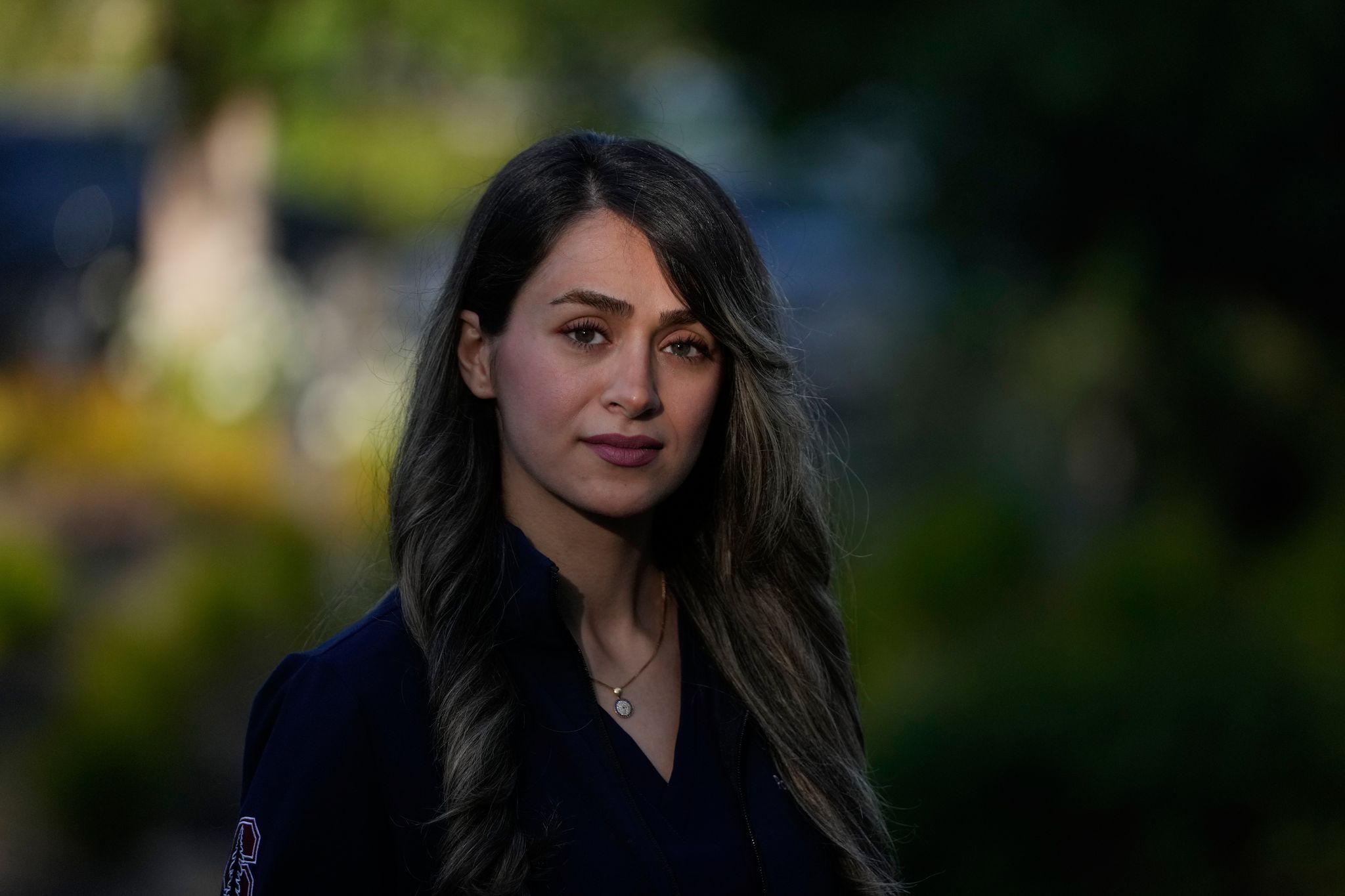
Prior to the recent exemption, numerous immigrants resorted to filing federal lawsuits urging the government to address their stalled applications. Dr. Zahra Shokri Warniab, an Iranian radiologist who sought asylum in the U.S. three years ago, represents many in this struggle. Her green card application, critical for entering a residency program, was placed on hold, prompting her to pursue legal action. Although a federal judge ruled her case should be considered, authorities eventually denied her application, which she believes was retaliation for her lawsuit.
Dr. Shokri Warniab described her confusion about the decision, with government attorneys citing inconsistencies regarding her intentions as a researcher versus a practicing physician. Although the recent exemption may not help her, she continues to seek legal recourse.
Professionals Impacted by International Conflicts
Those in specialized fields, particularly within science and technology, are also feeling the repercussions of immigration policy. Many immigrants are unable to perform their work while waiting for employment authorization. The anxiety over potential financial instability looms large, especially for those forced to consider returning to volatile conditions in their home countries.
For instance, Kaveh Javansir-Javid, who moved from Iran to the U.S. seven years ago to pursue a doctorate in agriculture, is currently dependent on friends for financial assistance as he awaits a work permit. The uncertainty surrounding his employment status complicates his situation further, particularly as his wife, also from Iran, is on the verge of graduating and will require a work permit herself.
“My whole life is on hold,” he shared, capturing the sentiments of many immigrants striving to navigate their professional and personal challenges in an uncertain environment.
