


African Digital Creators Advocate for Enhanced Monetization and Support
Addis Ababa, May 8, 2026 — Digital creators and social media influencers across Africa are calling for improved monetization systems, policy reforms, and stronger institutional support to position the continent’s creative industries for success in the digital landscape. This urgent plea comes as Africa grapples with the challenges of competing on a global stage.
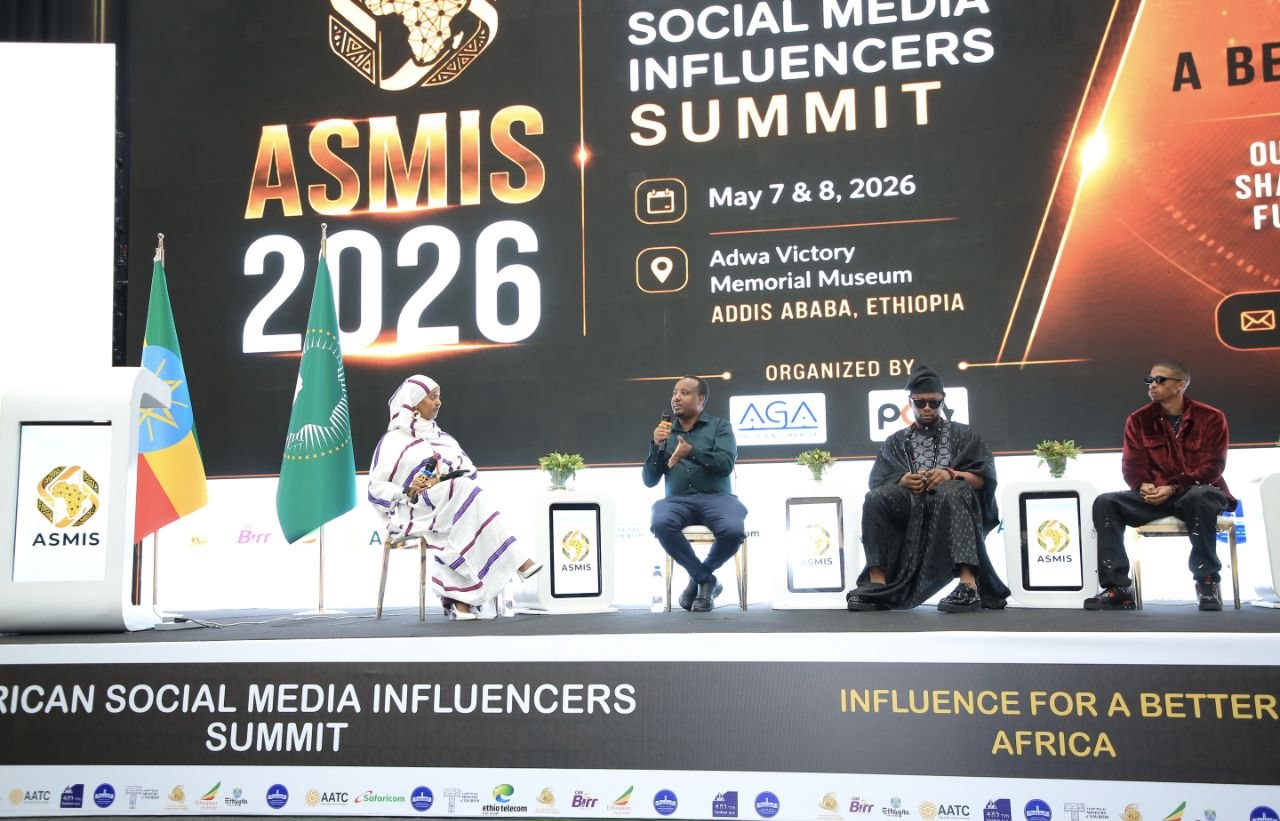
During a panel discussion at the Africa Social Media Influencer Summit (ASMIS) in Addis Ababa, participants highlighted that despite the surge in social media and digital entrepreneurship worldwide, African creators often find themselves at a disadvantage. They emphasized the need for systemic changes that would level the playing field.
The conversation focused on the transformative potential of artificial intelligence in content creation. Panelists acknowledged that while AI has the power to enhance productivity, many African creators face significant structural hurdles that hinder their ability to generate sustainable income from their work.
Panelists described AI as a groundbreaking tool that can streamline the content creation process, making it faster, more affordable, and accessible. This technology enables creators to produce high-quality videos, images, scripts, subtitles, and audio content with minimal resources.
Nigerian comedian and digital creator Brain Jotter emphasized the value of AI for emerging creators who may lack advanced production skills. He noted that this technology empowers individuals to transform simple concepts into professional-grade content, thereby amplifying creativity across various sectors.
While many panelists highlighted the benefits of AI, some cautioned against excessive dependence on these technologies. William Rust KRM, a digital creator from Botswana, stressed the importance of originality and passion, asserting that relying solely on AI tools can undermine the creative process.
Monetization remains a key hurdle in Africa’s digital economy, according to the influencers. They pointed out that platforms like TikTok and YouTube have cultivated a multibillion-dollar industry globally, yet many African creators still do not have access to the same monetization opportunities available elsewhere.
Some participants indicated that these constraints have compelled creators to seek alternative income streams through brand sponsorships, partnerships, and even leveraging overseas accounts. They called on African governments and policymakers to recognize content creators as integral contributors to promoting tourism, cultural diplomacy, and attracting investment in the broader digital economy.
The influencers urged for the establishment of financial support mechanisms, enhancements to digital infrastructure, and regulatory frameworks that foster innovation while granting creators the freedom to express themselves. A recurring theme throughout the summit was the importance of Africans owning and reshaping the continent’s narrative, enabling them to challenge longstanding stereotypes through authentic storytelling.
Held at the Adwa Victory Monument, the summit attracted 61 influencers from 30 African countries, collectively reaching an audience of over 321 million followers. Additionally, 120 Ethiopian content creators, representing a combined following of 150 million, are actively participating in this significant event aimed at redefining Africa’s digital narrative.
