


U.S. Blockade on Iranian Ports Risks Oil Revenue Strain
WASHINGTON—The United States’ blockade of Iranian ports is set to increasingly strain Tehran’s oil revenues. However, energy industry analysts and two Western officials familiar with intelligence assessments suggest that the Iranian regime may be able to endure the pressure for several months, provided there is no major economic crisis or significant damage to its oil infrastructure, as reported by NBC News.
Initial Estimates of Iran’s Oil Infrastructure Crisis
Following the imposition of the blockade roughly a month ago, President Donald Trump and senior administration officials indicated that it could lead to an imminent crisis for Iran’s oil sector. Trump had warned that the country’s oil infrastructure could implode within days, claiming that the inability to export oil would have dire consequences for Iranian oil production.
Realities on the Ground
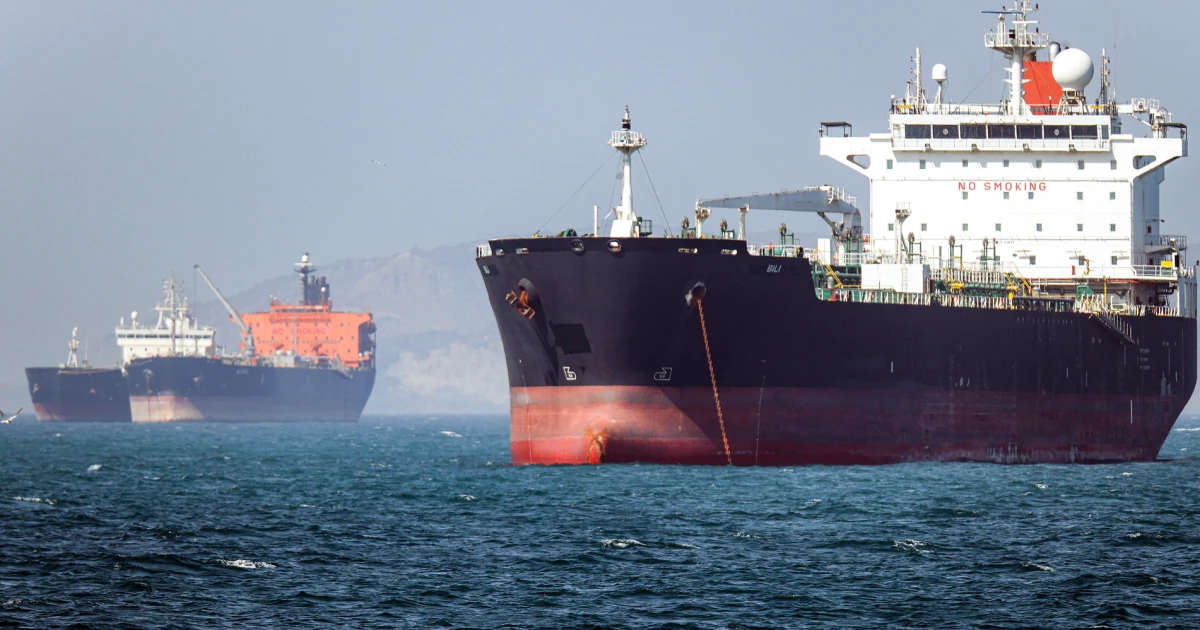
Despite these alarming predictions, the anticipated crisis has yet to manifest. The naval blockade has successfully resulted in numerous Iranian tankers remaining stranded offshore, unable to pass through the strategically significant Strait of Hormuz.
Objectives Behind the Blockade
Administration officials have clarified that the blockade aims to sever Iran’s oil exports, which are critical to its economy, while pressuring Tehran to reopen the Strait of Hormuz and comply with U.S. demands at the negotiating table. The blockade serves as a strategic maneuver to bolster U.S. positioning in future discussions.
Adjustments in Iran’s Oil Production
In response to the blockade, Iran has started to gradually lower oil production and could reach its oil storage capacity within the next two months, potentially leading to the shutdown of some oil wells. Nevertheless, most analysts contend that Iran can likely avoid total well shutdowns, as it has the capability to consume a significant portion of its oil output domestically, allowing many oil fields to continue functioning.
Iran’s Historical Resilience to Sanctions
Robin Mills, a researcher at Columbia University’s Center on Global Energy Policy, noted that Iran would likely have to cut its production by approximately half, but could sustain operations through domestic refining. Gregory Belew from the Eurasia Group highlights that Iran has previously navigated similar challenges, having had to curb oil production twice over the past 15 years due to U.S. sanctions.
The Economic Ramifications of the Ongoing Blockade
Despite Iran’s resilience, prolonged enforcement of the blockade could lead to dire economic consequences, depriving the regime of essential oil revenues, resulting in government budget shortfalls, higher inflation, and increased costs for imported goods, necessitated by road transport. The longer-term effects on both the Iranian economy and the broader U.S. and global markets remain uncertain.
Uncertain Future for Iran’s Leadership
In a telephone interview, President Trump asserted that the U.S. effectively controls the Strait of Hormuz and has significantly diminished Iran’s business operations. However, Western officials and experts caution that the regime’s ability to absorb economic strain might persist as long as its grip on power remains unchallenged. Nonetheless, they emphasize that Iran’s leadership will ultimately have to address its struggling economy and a discontented populace, all amid increasing pressure from the U.S.
