


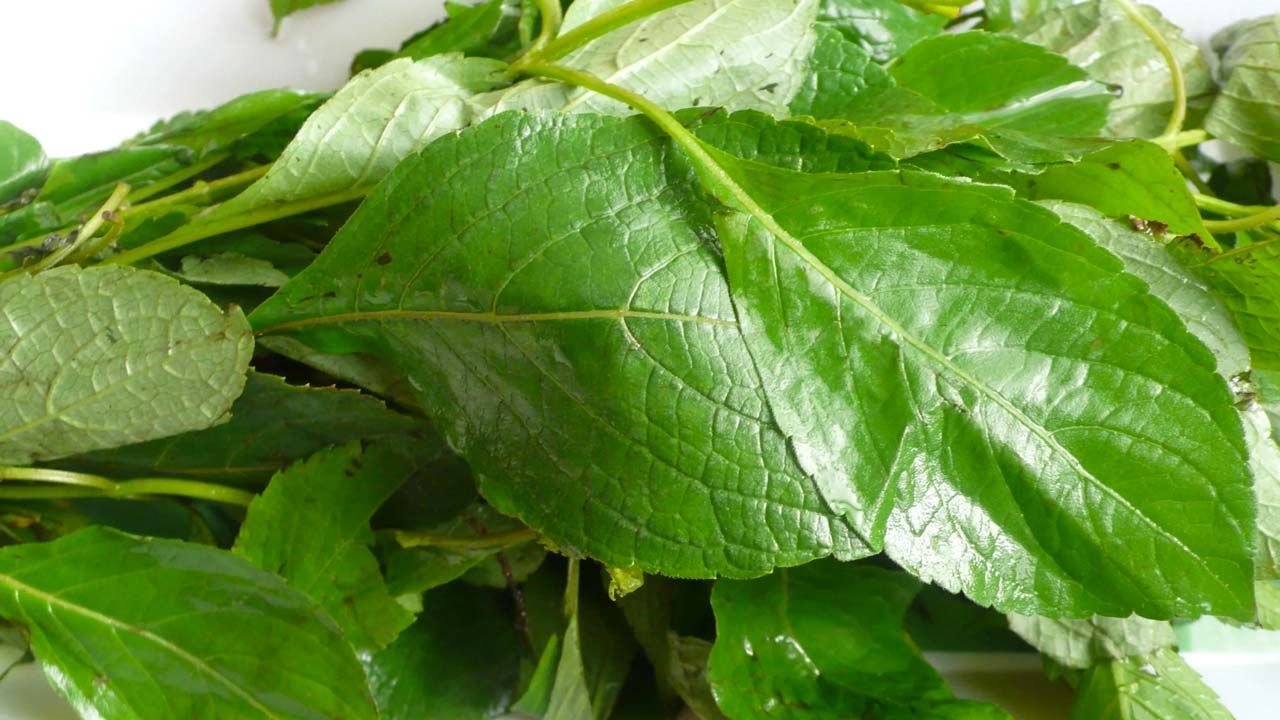
Local Herbs as Effective Mosquito Repellents
Recent research has validated that indigenous herbs, including fragrant leaves, neem, lantana camara, cloves, citrus peels, bush tea, thyme, lemongrass, and eucalyptus, effectively repel mosquitoes. As the deputy editor Chukwuma Muanya notes, malaria treatment is increasingly challenging due to the growing resistance of the Plasmodium falciparum parasite to artemisinin combination therapy (ACT), the standard medication. Compounding this issue, female Anopheles mosquitoes have developed resistance to most available insecticides. Additionally, conventional pesticides are linked to serious health risks, including cancer and respiratory diseases.
This situation has raised alarm among health experts. The World Health Organization (WHO) classifies mosquitoes as one of the deadliest animals globally, primarily due to their role in spreading diseases that cause millions of deaths annually. Mosquitoes transmit numerous debilitating diseases, including malaria, yellow fever, Zika, dengue, chikungunya, and filariasis, placing them at the center of public health concerns.
In 2015 alone, malaria claimed 438,000 lives, and the incidence of dengue fever has surged 30-fold over the last three decades, with many more countries reporting their first outbreaks. Over half of the global population resides in areas where the Aedes aegypti mosquito, known for spreading Zika and dengue, is rampant.
A study conducted by the Nigerian Institute of Medical Research (NIMR) in Lagos has illuminated the limitations of existing insecticides, revealing that mosquitoes often ignore them and that mosquito-borne diseases have become endemic in Nigeria. However, researchers have identified a natural alternative that sidesteps the adverse effects associated with traditional insecticides.
Scientists formulated a mosquito repellent cream using extracts from Ocimum gratissimum and Lantana camara. Published in the Journal of Insect Science, the study examined the repellent efficacy of a cream comprising methanolic crude extract (MCE), hexane fraction (HF), and ethyl acetate fraction (EAF) against female Aedes aegypti mosquitoes. The research utilized net cages to evaluate the formulations under laboratory conditions, in compliance with WHO protocols established in 2009.
While N,N-diethyl-meta-toluamide, commonly known as DEET, remains the most prevalent ingredient in insect repellents, it is associated with undesirable side effects. Interestingly, the recent study found that all tested formulations significantly reduced mosquito bites without causing allergic reactions among human subjects. The study emphasizes that the repellent effectiveness correlates with the concentration of the extracts used, with the optimal formulations showing protection times of up to 150 minutes.
Ocimum gratissimum, widely recognized as fragrant leaf or sweet basil, originates in Nigeria and is utilized as both a culinary spice and a remedy for various infectious ailments. Similarly, Lantana camara, an ornamental flowering plant, boasts an impressive profile of therapeutic properties, including antibacterial and anti-inflammatory effects, making it a valuable addition to mosquito control strategies.
