


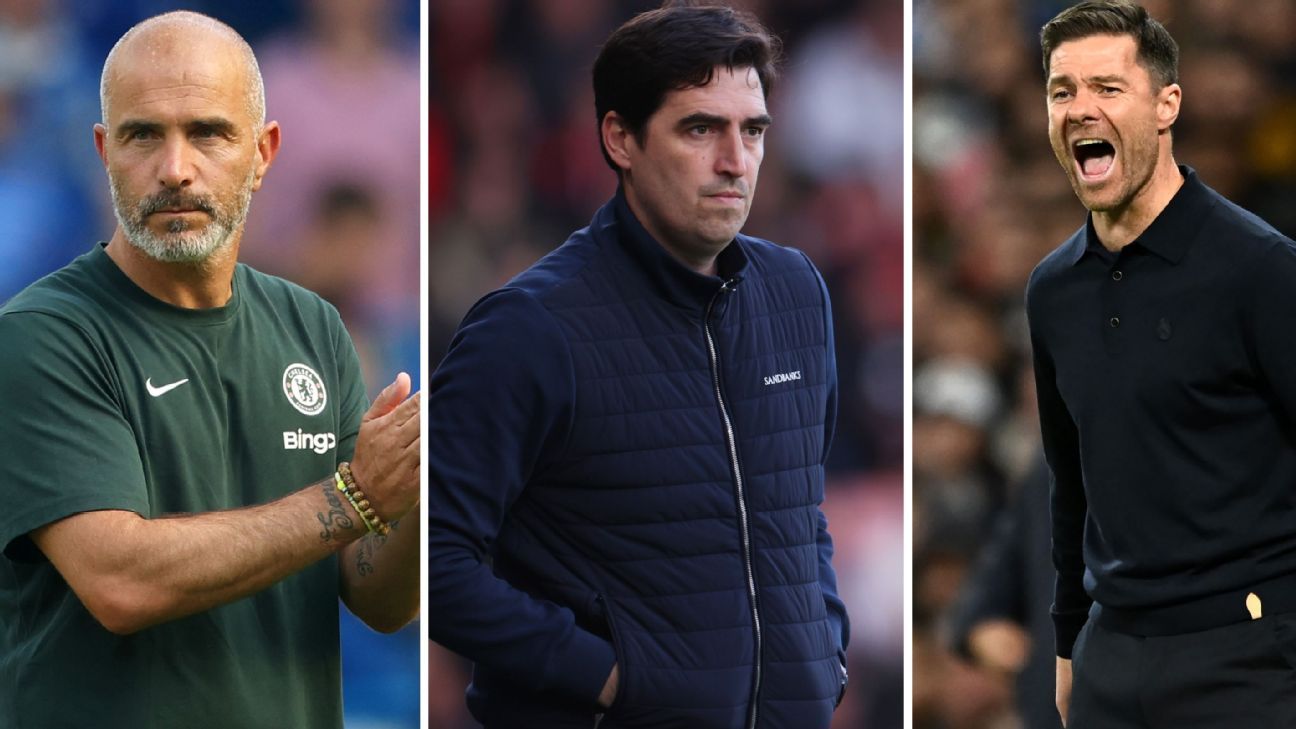
The conclusion of the 2025-26 Premier League season and the anticipation surrounding the upcoming 2026-27 campaign underscore the reality that significant changes are taking shape among the league’s top clubs. The recent dismissal of Arne Slott as Liverpool manager highlights this shift, indicating that the biggest teams are gearing up for a competitive battle for supremacy.
As the 2026 FIFA World Cup prepares to dominate headlines, the Premier League’s elite clubs are already making substantial coaching adjustments—a transformation not seen in over a decade.
Slott’s exit from Anfield, a mere two years after taking the reins from Jurgen Klopp, marks the fourth major managerial shake-up at the higher echelons of the Premier League within just two weeks.
Notable Managerial Changes in the Premier League
Chelsea initiated their coaching reshuffle less than a day after their FA Cup final defeat to Manchester City, appointing Xabi Alonso as their new manager on a four-year deal starting July 1. Soon after, Manchester United confirmed Michael Carrick’s transition from an interim role to a permanent position, officially signing the 44-year-old to a two-year contract at Old Trafford.
In a dramatic turn of events, City announced that six-time Premier League champion Pep Guardiola would step down as manager, capping off a decade-long tenure. Reports suggest that former Chelsea manager Enzo Maresca will take over at the Etihad Stadium.
Liverpool’s recent decision to part ways with Slott is particularly striking, especially given that he led them to a Premier League title during his first season. However, with their rivals undergoing major strategic shifts, Liverpool’s management felt compelled to act swiftly to remain competitive.
A New Era for Elite Football
The Premier League landscape is on the cusp of transformation, reminiscent of the seismic shift that occurred when Sir Alex Ferguson retired from Manchester United in 2013. With Guardiola’s departure, it seems a new chapter is set to unfold in one of football’s most competitive leagues.
While Manchester United experienced a decline following Ferguson’s exit, both City and Chelsea saw benefits from their own managerial changes in that summer; Manuel Pellegrini took the helm at City, while José Mourinho returned to Chelsea. Both managers would guide their clubs to Premier League titles shortly thereafter, illustrating how a new leader can create fresh opportunities.
Guardiola’s exit could set the stage for a similar competitive scramble among top clubs. Though City didn’t secure the title in his final two seasons, Guardiola’s tenure solidified his reputation as one of the most influential managers since Ferguson.
The question now is which team will capitalize on this changing landscape. Arsenal, under the stable leadership of Mikel Arteta, boasts both longevity and credibility, making him the longest-serving manager in the Premier League after six years at the Emirates.
Arteta is well-positioned to leverage his experience, while United’s renewed vigor under Carrick suggests they are working towards regaining their former glory. City’s new leadership under Maresca, which is expected to receive substantial backing from ownership, will also aim to maintain their competitive edge.
Xabi Alonso, after a brief tenure at Real Madrid, has much to prove and enters a Chelsea squad brimming with potential. If Liverpool secures Iraola, they will bring in a promising talent known for his high-energy playing style, reminiscent of Klopp’s successful tenure.
As the 2026-27 season approaches, one of the ‘big five’ is likely to emerge as Arsenal’s fiercest rival, but the ongoing changes at United, City, Chelsea, and Liverpool could merge the competitive field closer than ever before. While some managerial shifts may not yield immediate success—given that Carrick is United’s seventh permanent manager since Ferguson—the reset at the top of the Premier League signifies an exciting new era for all involved.
