


Irregularities in Mahmoud Khalil’s Immigration Court Ruling Raise Concerns
A recent immigration court decision regarding Palestinian rights activist Mahmoud Khalil has come under scrutiny for its irregularities, including an expedited process and the resignation of several judges, according to a report by The New York Times. The Board of Immigration Appeals (BIA), which operates under the Department of Justice yet is mandated to function independently, ruled on April 9 that Khalil could be deported from the U.S. However, documents obtained by The Times indicate that the case was processed at an unusually rapid pace.
In response to the report, Khalil expressed his frustration on social media, asserting, “This is the due process the administration has offered me. It’s corrupt and unprecedented.”
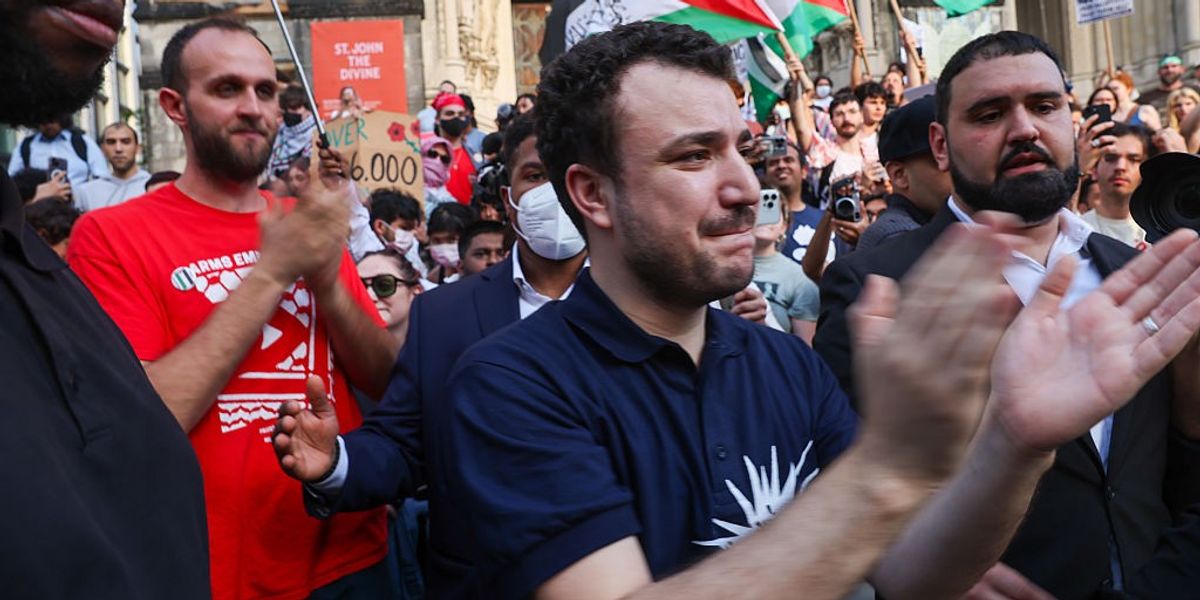
Khalil, who played a pivotal role as a student leader in protests at Columbia University against the Gaza massacre, was apprehended by Homeland Security officials upon returning to his New York residence in March 2025. As an early target of the Trump administration’s crackdown on pro-Palestinian discourse, Khalil, despite being a permanent resident married to an American citizen, was detained in Louisiana for over three months, missing the birth of his son during that time.
Even though the BIA has authorized his deportation, Khalil remains protected from removal while a separate habeas case is pending in federal court. However, the report by The Times raises significant questions about the fairness of Khalil’s treatment under the Trump administration and the speed at which his case may progress should the federal lawsuit fail.
In another social media post, Khalil characterized the Trump administration’s handling of his case as “corrupt and vindictive,” claiming that it involved a predetermined outcome from the start.
Details revealed by The Times indicate that Khalil’s case was prioritized early on, with an internal memo indicating that it was being accelerated despite his release from custody. One note from October urged the team to “please process as soon as possible.” Furthermore, documentation shows that the president of the tribunal, the highest-ranking member of the BIA, had been involved from the outset.
Remarkably, the ruling came just nine days after all case documents were submitted. Homero Lopez, a BIA appointee under President Biden, remarked that such a timeline is “unprecedented,” especially given that similar cases typically take years for resolution.
Simultaneously, reports indicate that at least three judges have recused themselves from the case—one prior to the decision and another after it became public, raising concerns about the case’s precedent-setting nature. Andrea Saenz, a former judge who was also dismissed by President Trump, mentioned that recusal often occurs when judges have had prior involvement with a case before appeals.
Veteran immigration attorney David McConnell described the expedited processing as “highly unusual,” although he emphasized that this does not necessarily indicate wrongdoing by the board. The BIA’s decision also supported then-Secretary of State Marco Rubio’s assertion that Khalil could be deported due to his activities allegedly threatening U.S. foreign policy—a contention that a federal judge in New Jersey suggested is likely unconstitutional.
Khalil’s legal team criticized the BIA’s justifications, asserting that the government appended claims regarding discrepancies on Khalil’s green card paperwork only after Rubio’s assertions were challenged. Mark Van Der Hout, Khalil’s lead attorney, expressed outrage, stating, “In my decades as an immigration lawyer, I have never seen a decision as baseless and politically motivated as this one. We will fight to the bitter end.” He added that the BIA’s ruling violates a federal court order, emphasizing the ongoing nature of the government’s alleged retaliation against Khalil for exercising his First Amendment rights.
In light of the new revelations, Van der Hout asserted to The Times that the case has been “controlled from day one by the upper echelons of government,” underscoring the political ramifications and potential implications for civil rights within the current immigration system.
