


Violence Against Africans in South Africa Raises Alarms
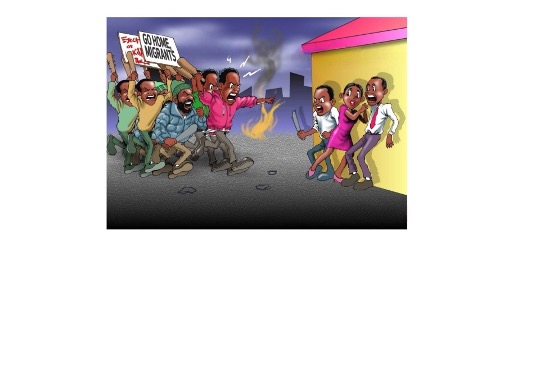
South Africa is once again facing a disturbing wave of violence directed at fellow Africans. This troubling trend cannot be pacified by xenophobic language; it is nothing short of “Afrikaphobia,” a targeted campaign of hatred against black Africans. The recent escalation is frightfully evident, with mobs invading public hospitals demanding the removal of patients, including pregnant women from other African nations, virtually dehumanizing them in the process. Reports of looting and arson targeting foreign-owned businesses are on the rise, while the streets have become a scene of harassment and brutality. Alarming accounts tell of victims being killed as they begged for their lives. The sheer brutality showcased in these acts should stir the conscience of both the continent and the global community.
Myths of Economic Justification for Violence Unraveled
Perpetrators frequently justify these violent actions through economic arguments, yet such claims crumble under scrutiny. A disconcerting fact is that over 80 percent of South Africa’s economy is controlled by the white minority, which constitutes less than 9 percent of the population. African immigrants are not the root cause of the nation’s inequality; too often, they are among its victims. Attacking black foreigners is not only morally indefensible, but it is also an indication of intellectual dishonesty and deep-seated ignorance. The troubling reality is that Afrophobia has permeated South African political discourse, often legitimized by influential voices within and outside the government. This normalization of hostility has emboldened perpetrators, creating a cycle of violence that feels both predictable and entrenched.
Julius Malema’s Stand Against Afrophobia
In this bleak landscape, Julius Malema, the leader of the Economic Freedom Fighters party, provides a principled counter-narrative. Malema has consistently rejected Afrophobia, reminding his compatriots of the tremendous support South Africa received from other African countries during the struggle against apartheid. His calls for African unity starkly contrast with the divisive and violent rhetoric espoused by those reluctant to accept that law enforcement, not mob justice, is the appropriate response to illegal activities attributed to foreigners.
International Concerns Over Rising Xenophobia
The South African government faces mounting criticism as the country gains notoriety for such heinous acts of hate. A 2007 report from the African Union’s African Peer Review Mechanism (APRM) noted the brutal treatment of foreign nationals, particularly those of African descent. The report cautioned against the rise of xenophobia and called for urgent intervention. Unfortunately, nearly two decades later, the situation has only deteriorated. In recent weeks, many unemployed South Africans—some with limited education and skills—have resorted to vigilante justice against foreigners, believing them to be responsible for their economic hardships.
Government Inaction and Rising Tensions
Warnings about the increased vulnerability of foreign nationals running informal businesses have echoed throughout the country, yet South African authorities have shown little willingness to address the issue. It is crucial for South Africa to acknowledge its responsibility to protect all residents, including Nigerians, from incitement to hatred. Given the freedom South Africans enjoy in countries like Nigeria, it is imperative that the South African government ensures the safety of its citizens abroad.
Call for Coordinated Action from the African Union
The time has come to recognize that diplomatic expressions of goodwill have been ineffective. Simple protests and assurances have failed to curb this escalating violence; indeed, conditions are worsening. A more robust and coordinated response is essential. The African Union must move beyond mere statements, exploring concrete measures to hold South Africa accountable to continental standards. Regional and global organizations need to intensify their efforts to protect vulnerable populations and restore the rule of law. Nigeria, as the continent’s leading voice, bears both a moral responsibility and a strategic interest in driving this decisive and coordinated effort.
The Need for Immediate Action
It is vital that South Africa understands that the sacrifices of Nigerians and other Africans can no longer be tolerated. The ongoing violence, forced expulsions, and destruction must cease immediately. The future stability of both South Africa and the African continent hinges on swift action to protect human rights and uphold the dignity of all individuals.
