


Historical Context of Cape Verde’s Transformation
Since its discovery by the Portuguese in the mid-15th century, the Cape Verde Islands, located off the coast of West Africa, have a complex and often dark history as a center for the international slave trade. Africans were forcibly transported to be sold in markets across the Americas and Europe. Today, nearly 150 years after the abolition of slavery in Cape Verde and just over 50 years post-independence from Portugal, the nation stands on the brink of a transformative era under the leadership of Pedro Fernández López.
A Vision for Digital Development
López, who serves as Cape Verde’s Secretary of State for the Digital Economy, is spearheading initiatives aimed at positioning the archipelago as a digital hub for West Africa and beyond. Inspired by Estonia’s renowned digitization efforts, his vision focuses on fostering the free movement of human and financial capital across the African diaspora.
Accelerating Economic Diversification
The country, which has invested years in developing digital governance services for Portuguese-speaking Africa, faced significant challenges during the Covid-19 pandemic, including a sharp decline in tourism. This downturn expedited governmental efforts to diversify the economy through technology. In 2021, the Ministry of Digital Economy was established with an ambitious goal: to ensure that the sector contributes a quarter of the nation’s GDP by 2030.
Promising Indicators of Progress
Several encouraging trends signal positive momentum for digital initiatives in Cape Verde. The ministry currently provides public services to approximately 529,000 residents across the country’s 10 islands and to an expansive diaspora that is estimated to be three to four times larger than the population. Internet penetration stands at 75%, already double the African average, and educational institutions are embracing modern technology, teaching students robotics and coding within makeshift classrooms.
Connecting Past and Present
López reflects on the historical irony that the same maritime routes used for the transatlantic slave trade are now being traversed by submarine cables, ushering in a new era of connectivity. His sentiment underscores the belief that while history may repeat itself, each generation possesses a unique opportunity to redefine its narrative.
Addressing Migration Challenges
Central to Cape Verde’s digital strategy is the objective of reducing the migration rate, which ranks among the highest globally in relation to population size. Jessica Sanches Tavares, an advisor at TechParkCV, emphasizes the aspiration for a vibrant tech ecosystem that empowers locals to pursue opportunities within the country rather than seeking them abroad.
Building Infrastructure for Innovation
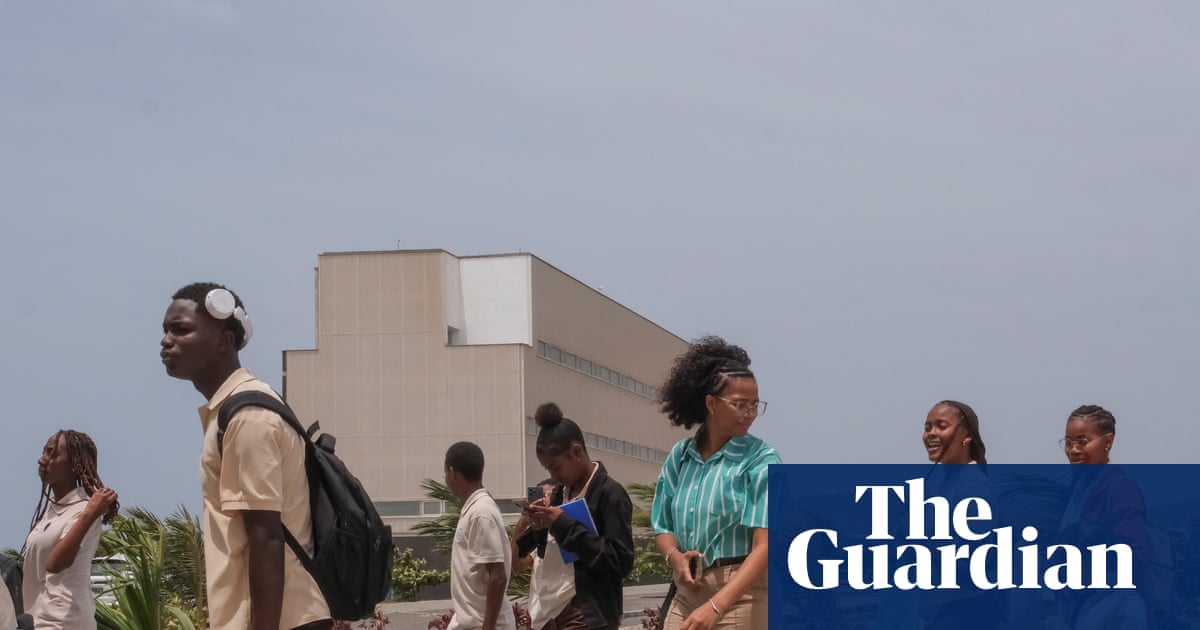
TechParkCV, an £44.78 million facility, harbors an incubation center for startups, a training site for youth, and a conference auditorium. Financed largely through a loan from the African Development Bank, the facility is attracting companies eager to leverage its competitive advantages. Tavares notes that approximately 20 businesses have set up operations in the special economic zone, highlighting the environment’s potential.
Overcoming Barriers to Growth
Despite the strides being made, challenges persist. Poor air connectivity within Africa and reported discriminatory practices at airports, particularly against black Africans, may hinder progress. While some critics argue that startups are overly reliant on government support, including subsidies for salaries and participation in international tech events, López remains optimistic about a future that encourages innovation and self-reliance. He envisions a shift in mindset where talented individuals are not just expatriates looking to return to retire, but are instead motivated to build their futures in Cape Verde.
