


Iran Agrees to U.S. Proposal for Conflict Resolution in the Middle East
Iran has reportedly accepted a U.S. proposal aimed at resolving the ongoing conflict in the Middle East, as indicated by state media on Sunday. The state news agency IRNA revealed that this response was communicated through Pakistan, though the specific details of the response remain undisclosed. The negotiations will focus on halting the war in the region, according to the proposed plan.
Artillery Exchanges Continue Amidst Negotiations
Despite this promising development, military tensions persist. Iran and the United States engaged in an artillery exchange in the Persian Gulf on Saturday, more than a month after a temporary cease-fire agreement was introduced to facilitate the reopening of the vital Strait of Hormuz.
Disruption of Gulf Oil Supplies Continues
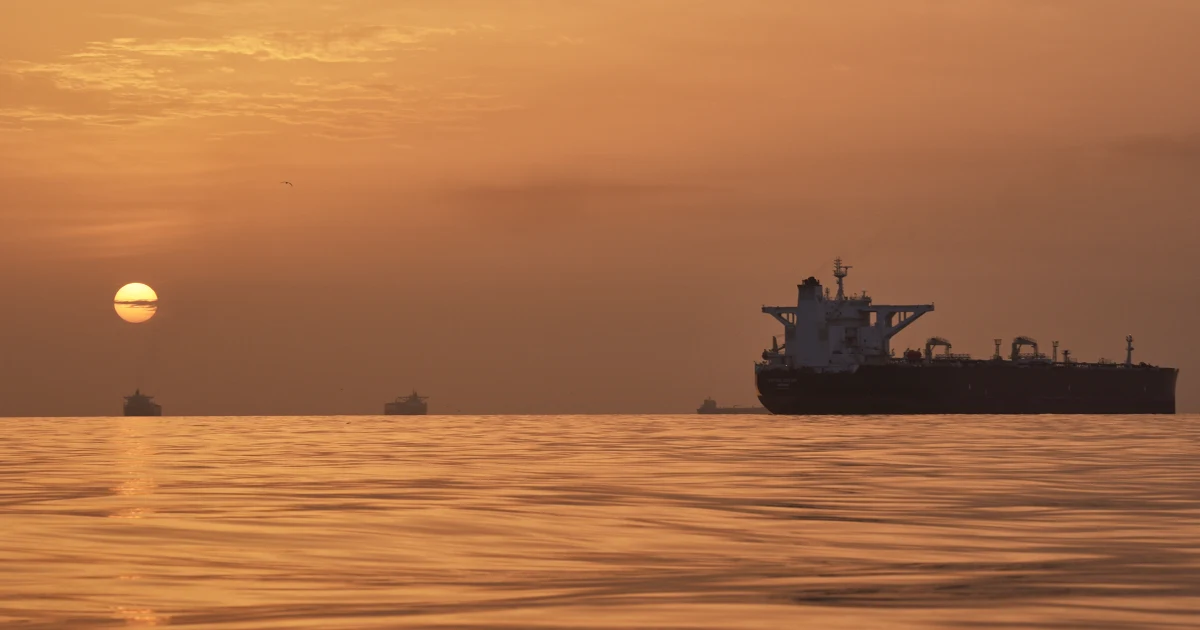
Iran’s ongoing blockade of ships in the Strait is disrupting critical oil supplies from the Gulf, fueling global economic uncertainty surrounding the conflict. The situation remains precarious, as market analysts note that the lack of freedom of navigation has serious implications for oil prices and international trade routes.
Market Reactions to Potential Peace Talks
Conversely, there is cautious optimism among investors regarding the potential for a formal agreement. Hopes that a peaceful resolution could emerge after weeks of negotiations, despite some setbacks, buoyed market confidence last week, resulting in a downturn in oil prices.
Awaiting Clarity on Iran’s Proposal
Energy Secretary Chris Wright expressed that the United States is seeking a “clear resolution” regarding Iran’s latest proposal. In an interview on NBC News’ “Meet the Press” on Sunday, he emphasized that the U.S. is aiming for unrestricted movement in the Strait of Hormuz and a definitive end to Iran’s nuclear aspirations, suggesting that achieving these goals would lower energy prices.
Negotiations Progressing Despite Challenges
U.S. Ambassador to the United Nations Mike Walz acknowledged in a recent ABC News interview that while negotiations are more protracted than anticipated, they are still ongoing. This underscores the complexity of diplomatic relations surrounding the situation, which are critical to stabilizing the region.
Iran’s Economic Resilience Amid Restrictions
While President Trump’s recent initiative for U.S. warships to escort commercial vessels through the Strait, labeled “Project Freedom,” was scrapped shortly after its announcement, the U.S. maintains its blockade of Iranian ports. Analysts indicate that Iran could withstand this naval blockade for some time, although the impact on its economy is becoming increasingly significant. Iran has already started to reduce its oil production in response to the blockade, hinting at potential challenges ahead if conditions do not improve.
