


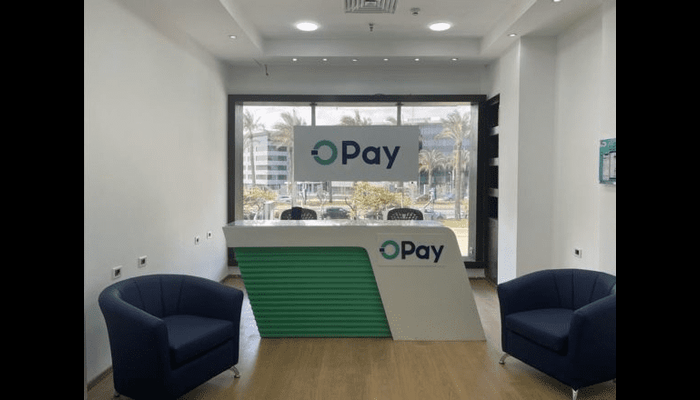
OPay’s Ambitious U.S. IPO and the Case for a Nigerian Listing
OPay is currently preparing for a significant public offering in the United States, aiming for a valuation of $4 billion while partnering with major banks such as Citi and JPMorgan. However, many economists and analysts argue that an additional listing on the Nigerian Exchange Limited (NGX) would offer a more strategically sound approach within the domestic market.
Founded in Nigeria, OPay boasts 50 million users predominantly from the country, and its agents are deeply integrated into local communities. The company’s remarkable growth trajectory is closely tied to the favorable infrastructure, regulatory environment, and consumer trust it has cultivated in its home market.
The rationale behind pursuing a U.S. listing is understandable. Access to a deeper capital pool, enhanced global visibility, extensive analyst coverage, and the prestige of being listed on exchanges like the New York Stock Exchange or Nasdaq are compelling advantages, particularly for companies with aspirations for regional and global expansion.
Nevertheless, the decision to list is not solely dictated by capital availability. The best public market stories often originate from businesses that investors genuinely understand. In this respect, OPay’s path toward U.S. listing might encounter challenges that its advisors may not fully acknowledge.
As the company eyes a potential 2026 listing, several factors could complicate its journey to Wall Street.
Challenges of Geopolitical and Ownership Scrutiny
OPay’s listing ambitions have already faced hurdles, largely due to its unique ownership landscape. Established by Chinese billionaire Zhou Yahui and backed by SoftBank, the company is navigating a heightened sensitivity among U.S. regulators and investors regarding firms with substantial links to China.
This scrutiny could encompass concerns about data privacy, corporate governance, and capital flows between its Nigerian operations and its China-based parent company.
The Reality Behind the $4 Billion Valuation
OPay is targeting a $4 billion valuation, a figure that has doubled since 2021. While the African fintech landscape remains vibrant, the era of growth at any cost has effectively ended. American investors are increasingly prioritizing profitability and sustainable unit economics over sheer user metrics.
With competitors like Moniepoint and PalmPay vying for similar market share, if OPay faces diminished margins due to competitive pricing, the prospect of meeting a $4 billion valuation could appear overly ambitious to skeptical Wall Street observers. It’s also essential to recognize the evolution of Nigeria’s capital markets; currently, numerous companies listed on the NGX boast market capitalizations exceeding N5 trillion.
David Adonri, vice chairman of HiCap Securities, emphasizes that Nigeria’s capital markets now possess the depth and sophistication necessary for companies with strong domestic fundamentals to successfully raise capital locally.
Adonri further explains that for a company like OPay, with operations, customer base, and revenue primarily grounded in Nigeria, a domestic listing would strengthen its connection with investors who are most familiar with its market realities.
Addressing Currency and Inflation Risks
American investors typically exhibit caution toward businesses whose profits are heavily tied to a single volatile economy. Although OPay generates revenue in naira, it must report its earnings in dollars to U.S. stakeholders. This duality means that any substantial devaluation of the naira could negate its perceived growth.
Additionally, Nigeria’s high inflation may diminish the purchasing power of OPay’s user base and potentially decrease transaction volumes. By pursuing a local listing, OPay has the opportunity to convert its substantial user base into shareholders, thereby reinforcing customer loyalty amidst competition.
Overcoming Skepticism Surrounding Super Apps
OPay has successfully evolved from a ride-hailing service into a comprehensive financial super app. However, it faces skepticism from Western markets, which often favor specialized companies excelling in a single domain as opposed to super-apps. OPay will need to assert that its multi-service approach delivers synergies rather than distractions.
Despite having top advisors and a solid market presence, OPay must demonstrate its capability to thrive amid Nigeria’s currency fluctuations while satisfying investors’ expectations for stability and transparency.
Navigating Regulatory Complexities
Nigeria’s regulatory landscape is known for its rapid changes. Recent Central Bank of Nigeria directives, such as restricting payment service agents to a single financial institution, underline this volatility. As a publicly traded entity in the U.S., OPay would grapple with strict compliance on two fronts—domestic and U.S. regulations—adding significant operational complexity.
The nature of a company’s public listing can profoundly influence its perception among regulators and investors. A decision to limit its public market engagement primarily to foreign investors could send a conflicting message about OPay’s commitment to its local market.
Strategic Questions for OPay’s Board
While a U.S. IPO might offer OPay much-needed capital and global prestige, the board must confront strategic considerations thoughtfully. Investment bankers might not press for local engagement, yet it raises an important question: Should Nigerian stakeholders, who have nurtured this platform through challenging economic conditions, be excluded from initial ownership opportunities?
Wall Street analysts tend to apply emerging market discounts to companies operating in Nigeria’s fintech space. Their models may inadequately account for currency risks and corporate governance standards, which can distort valuations. Conversely, local institutional investors understand the intrinsic value of OPay within the daily lives of Nigerian consumers and are likely willing to pay a premium for its shares.
While OPay has every right to choose its preferred listing location based on commercial interests, the repercussions of its public offering decisions extend beyond the balance sheet—impacting its regulatory relationships and overall reputational standing. The NGX has matured into a platform capable of facilitating substantial technology listings, raising the crucial question of whether OPay is prepared to acknowledge and reward its loyal Nigerian customer base.
OPay’s Potential Missed Opportunities
Although a U.S. IPO may promise access to a vast capital pool for global expansion, a domestic listing might offer a more stable foundation while allowing OPay to tailor its financial reporting to align more closely with its revenue streams. The risks associated with foreign exchange rates, specifically the naira-to-dollar conversion, loom large. Reporting in naira would mitigate potential concerns over perceived losses to U.S. investors, especially considering OPay’s strong local market presence.
Additionally, both the Central Bank of Nigeria and the Securities and Exchange Commission are advocating for major tech firms to pursue local listings to bolster Nigeria’s capital market. While OPay would still face high standards locally, it might avoid the intense geopolitical scrutiny imposed by U.S. regulators on firms with ties to China.
A local listing could also foster goodwill among regulators, crucial for ensuring stable operational licenses. Moreover, foreign investors often struggle to value African fintech companies accurately, applying emerging market discounts without a comprehensive understanding of local contexts such as the significance of agent banking and USSD trading. On the other hand, local institutional investors recognize OPay’s vital role in everyday life, leading them to evaluate its worth through a clearer lens.
