


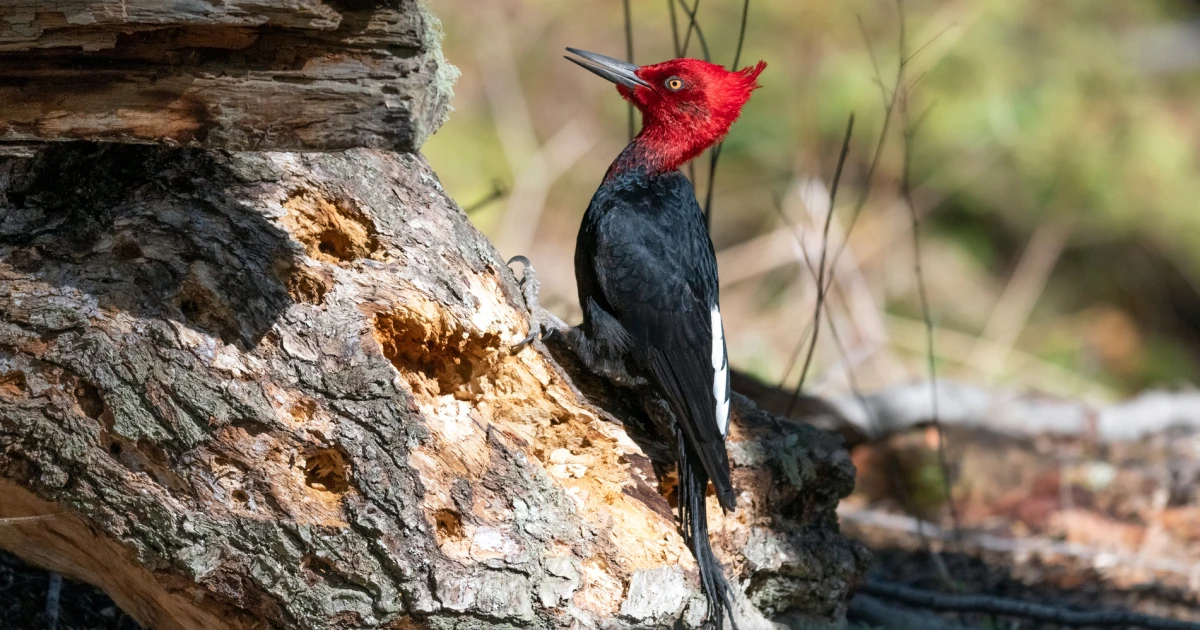
The first Dutch individual diagnosed with the Andean virus, along with his wife, had recently completed a three-month bird-watching excursion through Argentina, Chile, and Uruguay before boarding the MV Hondius in Ushuaia, Argentina’s southernmost city, on April 1, according to the World Health Organization (WHO).
During a briefing, WHO Director-General Tedros Adhanom Ghebreyesus highlighted that the couple visited areas known to harbor rodent species responsible for transmitting the Andean virus during their travels.
Investigation Points to Landfill as a Source
The Associated Press recently reported that Argentine authorities investigating the virus outbreak believe the couple was infected while birdwatching in Ushuaia, potentially due to exposure to rodents at a local landfill.
This theory has alarmed some birdwatching enthusiasts and led various stakeholders, including local authorities and residents, to rally in support of Ushuaia. With a population of about 85,000, Ushuaia is a popular tourist destination famed for Antarctic cruises and an impressive diversity of bird species.
Esteban Daniels, a seasoned birding guide in Ushuaia, noted that while the landfill is an attractive spot for certain birds, such as the white-throated caracara, it is not a breeding ground for hantavirus. He stated, “I have guided birdwatchers in the vicinity of the dump for over 25 years. Observations are made from outside the property, where access is restricted by security and high fencing.”
Daniels further elaborated that recent passengers from the Hondius had bird-watching excursions near the landfill prior to heading to various South Atlantic destinations. “None exhibited any symptoms of infection,” he added in a text message.
Clarifying Misconceptions About the Virus
Hantaviruses are typically transmitted through contact with the excreted materials—urine, feces, or saliva—of infected rodents, including rats and mice. While the Andean variant can be transmitted from human to human, health officials stress that it is distinct from the coronavirus and does not proliferate like a pandemic virus. This strain is often associated with long-tailed pygmy rice rats, usually found in regions north of Ushuaia.
Spyros Litras, an evolutionary virologist, remarked that the virus detected on the Hondius is “almost identical” to a strain linked to a notable outbreak in Argentina between 2018 and 2019. That outbreak, which started in Patagonia’s Chubut province, resulted in 34 infections and 11 fatalities before it subsided.
On Friday, Juan Petrina, the director of environmental health and epidemiology for Tierra del Fuego state, presented data indicating that it’s improbable the initial cases emerged from the region. “The data from as far back as 2000 shows zero hantavirus cases in our state,” he stated, emphasizing the rarity of the relevant rodent species and the brief exposure timeframe of the couple.
“We appear to be experiencing a smear campaign against this destination,” he concluded, following attempts to reach officials in Ushuaia for further comment.
Ongoing Investigations and Ship Hygiene Protocols
While the WHO has yet to confirm the definitive origin of the initial infection, epidemiological investigations are currently underway. The organization has noted evidence of human-to-human transmission aboard the vessel.
Vasant Sadasivan, a passenger on the MV Hondius during a 22-day cruise in February, expressed surprise at the outbreak, given the sanitary protocols in place on the ship. “The safety and hygiene measures were rigorously enforced. Every time we disembarked and reboarded, all our equipment had to be disinfected,” he shared.
Sadasivan described the inspection process, during which all gear was meticulously checked for potential contaminants. Passengers were instructed to maintain a safe distance from any wildlife encountered during excursions. “Even a small stone found in my boot was a cause for an additional round of disinfecting, to prevent any possible illness,” he recalled.
Oceanside Expeditions, the operator of the Hondius, stated on its website that it adheres to industry standards and complies with all regulatory requirements of the countries in which it operates.
