


Tax Cuts Continue for Hawaii Residents Amid Legislative Developments
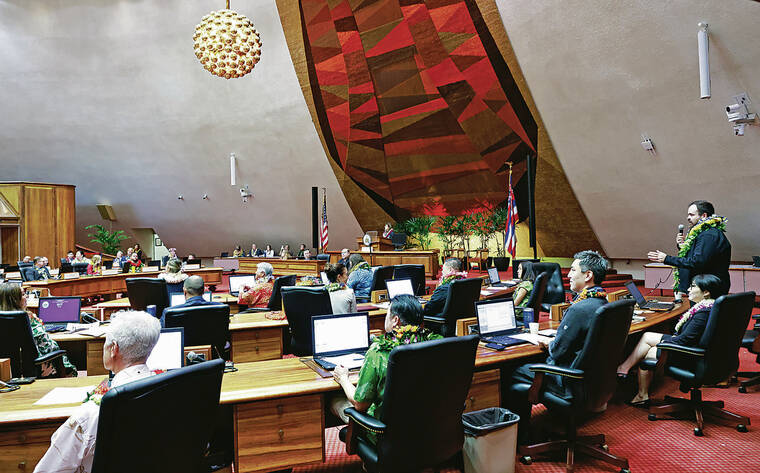
Taxpayers in Hawaii, with the exception of the highest income brackets, will continue to reap the benefits of historic tax cuts following the conclusion of a 60-day legislative session. The state has increased its $1.6 billion “Rainy Day Fund” by $50 million and imposed new restrictions on collaboration between county and state law enforcement and federal immigration enforcement agencies.
During this session, lawmakers successfully approved around 250 out of more than 2,000 bills introduced in January.
Legislative Response to Citizens United Decision
Among the notable bills awaiting Governor Josh Green’s signature is an updated version of Senate Bill 2471. This legislation addresses the Supreme Court’s 2010 ruling in Citizens United v. Federal Election Commission, which unleashed significant unrestricted financial contributions from corporations, labor unions, and special interest groups through super PACs, often referred to as “dark money.”
Proponents of SB 2471 argue that Hawaii’s legislation could serve as a model for other states in their efforts to counteract the implications of the Citizens United ruling by mandating that companies and organizations incorporated elsewhere adhere to Hawaii’s campaign regulations.
The law is set to come into effect in July 2027, allowing Congress time next year to explore measures aimed at curbing excessive election spending by local unions and businesses.
Legislative Push for Law Enforcement Transparency
In response to the deadly shooting of two protesters by unidentified undercover ICE agents during an immigration raid in Minneapolis this past January, Hawaii’s legislature proposed several bills intended to increase transparency among law enforcement agencies. These proposals included prohibiting county, state, and federal officers from wearing masks while on duty and mandating that they display identification on their uniforms and vehicles.
This initiative stalled, however, after the 9th U.S. Circuit Court of Appeals ruled to block a similar law in California on constitutional grounds, suggesting states cannot restrict federal government operations.
Rep. David Tarnas, chair of the House Judiciary and Hawaii Affairs Committee, noted that understanding the legal landscape prompted legislators to pivot their focus. The committee ultimately endorsed a bill that forbids cooperative agreements between state and county law enforcement and federal officers concerning immigration enforcement.
Tax Policies and Budgetary Concerns
Governor Green has already enacted eight bills and has until July 15 to sign or veto additional legislation. His administration initiated discussions about tax increases to secure $1.8 billion in revenue by discontinuing certain tax cuts that had been extended for the past five years; however, lawmakers opted to preserve the tax cuts for all households except for those with the highest incomes.
Senator Donovan Dela Cruz, chair of the Senate Ways and Means Committee, highlighted that the recently enacted tax cuts will uphold reductions for roughly 90% of households in Hawaii from 2027 to 2031. Dela Cruz emphasized the focus on protecting tax benefits for working and middle-class families, despite anticipated reductions in overall state revenue.
Addressing Rising Living Costs
Senator Kurt Fevera offered praise for the collaborative efforts among lawmakers in crafting a budget that ultimately supports local households facing increasing costs of living. He cited soaring prices for daily necessities as a significant concern for families within his district.
With the backdrop of escalating costs, particularly in energy and housing, lawmakers strategically maintained tax cuts to alleviate financial burdens on residents. Dela Cruz acknowledged the need for fiscal responsibility despite budget constraints, noting that savings were identified in other budgetary areas to counteract reduced tax revenues.
Legislative Session’s Challenging Climate
The legislative session commenced amid widespread scrutiny, particularly regarding allegations against certain influential lawmakers implicated in corruption scandals. This atmosphere has energized calls for enhanced election reform, especially following the conviction of prominent political figures on bribery charges. With the looming elections, lawmakers are experiencing pressure to act on governance-related reforms while ensuring continued tax relief for residents.
Colin Moore, a public policy expert at the University of Hawaii, warned that ongoing investigations could further complicate matters for current lawmakers, as they grapple with public confidence in the political process.
Final Legislative Actions Complete the Session
As the session drew to a close, most bills received final approval following committee hearings and negotiations among House and Senate leaders. House Speaker Nadine Nakamura expressed her gratitude for the accomplishments made during the session, despite the myriad challenges faced by Hawaii.
In a poignant farewell address, Nakamura acknowledged the difficult realities that the state confronted, including natural disasters and financial pressures. Underlining the importance of legislative collaboration in addressing pressing issues, she commended her colleagues for their commitment to the welfare of Hawaii’s residents and their resilience in navigating the complexities of governance during this session.
