


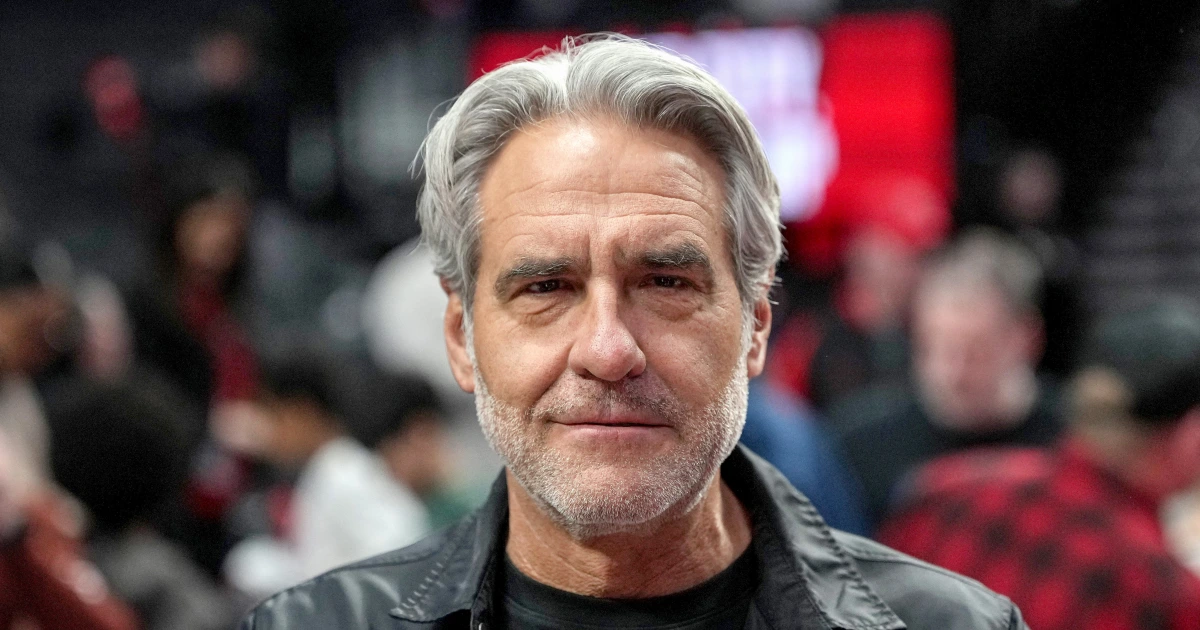
Nike CEO Expresses Optimism Amid Company Restructuring
Nike is currently navigating a phase of significant transformation, but CEO Elliott Hill remains confident in the brand’s potential for recovery. Hill emphasized this sentiment during an exclusive interview with NBC News last week at the company’s headquarters in Beaverton, Oregon.
Recent Stock Purchases Signal Confidence
Hill revealed that he purchased over $2 million in Nike stock on April 13, coinciding with the company’s stock price reaching its lowest point since late 2014. This investment underscores his belief that the organization has the capability to regain its footing in the competitive sportswear market.
Challenges in Global Sales Performance
Despite a strong performance in North America, Nike is grappling with sluggish sales across Europe, the Middle East, and China. The company’s recent financial results suggest that the anticipated recovery is taking longer than initially projected, with challenges persisting in several key markets.
New Management Focused on Sustainable Growth
In a context of ongoing change, Hill asserted that the company is currently in “cleanup mode” and is resetting its foundational strategies to set the stage for sustained growth over the next four decades. His leadership, which began in October 2024, seeks to address prior strategic missteps and build a robust framework for long-term success.
Investor Sentiment Remains Cautious
Since the announcement of Hill’s promotion, Nike’s stock has increased approximately 4.5% from its April lows, yet it has experienced a decline of more than 50% compared to the peak before Hill’s tenure. Analysts remain cautious, with some expressing concerns about the company’s potential for further decline.
Financial Forecasts and Market Conditions
On March 31, Nike reported stagnant sales of $11.3 billion year-over-year and projected a 2% to 4% decline for the current quarter. CFO Matthew Friend emphasized the volatility of the market, attributing potential impacts to geopolitical instability and rising input costs, factors that could significantly influence consumer behavior.
Strategic Shifts Required for Recovery
Hill acknowledged that reorienting Nike around its iconic brands—Nike, Converse, and Jordan—will demand time and focus. Reflecting on past decisions, he stated that the shift to a direct-to-consumer model was once effective; however, the need for renewed partnerships with retailers is now crucial. He reiterated the importance of understanding and serving the consumer base as Nike moves forward.
Challenges Ahead in the Chinese Market
Nike is also strategizing to enhance its presence in China, facing obstacles due to shifting market dynamics. Hill stated that the path to recovery hinges on reinforcing its connection with sports culture, implementing a new management strategy, and bolstering both digital and brick-and-mortar operations in the region. Moreover, the company plans to apply for a tariff refund from the U.S. government to finance future investments.
Long-Term Vision for Brand Rebuilding
As Nike embarks on this extensive rebuilding journey, Hill is optimistic about the unfolding impact of their strategies. He maintains that the company is committed to a long-term vision, emphasizing a gradual yet determined approach to revitalizing the brand.
