


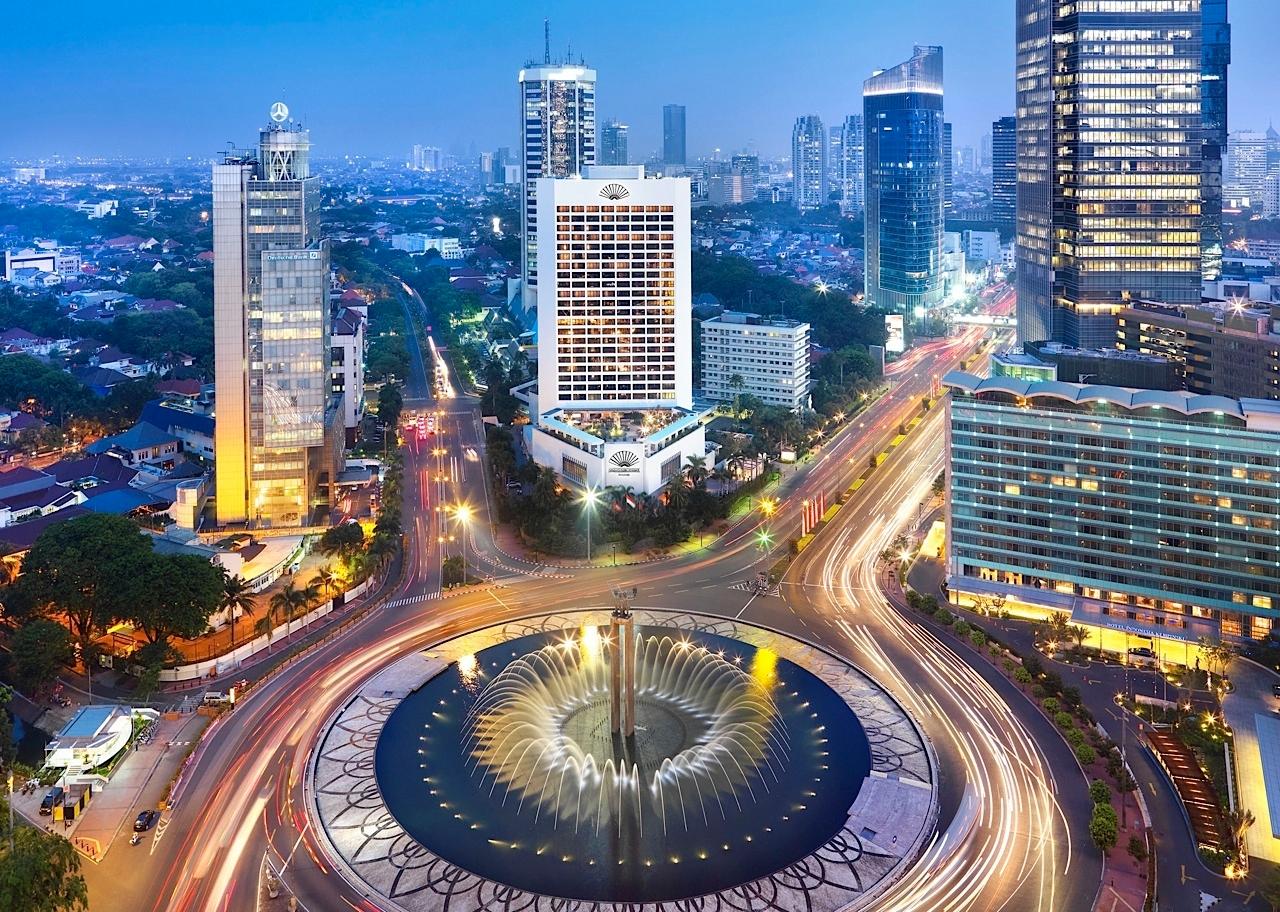
Lagos. Photo/Global Tourism Academy
The Transition of Nigeria’s Federal Capital
On August 7, 1975, General Murtala Muhammad’s government established a commission focused on relocating Nigeria’s federal capital. Led by former Chief Justice Akinola Aguda, the commission identified overcrowding in Lagos and recommended moving the capital outside the city by 2025. This strategic shift aimed to alleviate administrative challenges, paving the way for an eventual relocation.
The Restructuring of Governance
The federal government endorsed the commission’s recommendations and instituted Decree No. 6 in 1976. This initiated Nigeria’s transition to a new capital, joining nations like China, India, and Brazil that had previously made similar shifts. However, it was not until December 12, 1991, under General Ibrahim Babangida’s regime, that the capital was fully moved, contrary to the phased plan originally proposed.
Challenges Faced by Lagos Post-Relocation
Unlike most countries that support their former capitals post-relocation, Lagos has struggled. Following the handover to the Asiwaju Bola Ahmed Tinubu government in 1999, the state faced numerous challenges, including resource scarcity, high poverty levels, and significant socio-economic disparities. Issues such as urban crime, rampant unemployment, and a burgeoning population further strained local governance.
The Stagnation of Infrastructure Development
From an infrastructure standpoint, Lagos has seen minimal improvements since the federal government completed the 11.8-kilometer Third Mainland Bridge. Not only has there been a lack of new projects, but existing federal infrastructure has also suffered from neglect, exacerbating the city’s logistical challenges.
Strategic Initiatives Under Tinubu
In 1999, while other leaders enjoyed electoral successes, Tinubu swiftly formed the Transition Working Group (TWG), which included eminent figures like Professor Pat Utomi. This group generated impactful recommendations, leading to the establishment of the Lagos Economic Summit (Ehinbeti) and emphasizing the importance of public-private partnerships alongside enhancing revenue streams for infrastructure management.
Financial Transformation and Economic Growth
Through innovative financial management, the Nigerian government significantly increased its budget from a modest N14.2 billion in 1999 to an astounding N274.8 billion in 2007, marking a remarkable 1,857% surge primarily fueled by domestic revenues. This strategic financial reengineering resulted in one of Nigeria’s most rapid socio-economic transformations, exemplified by initiatives like the durable shoreline defense barrier to combat coastal erosion.
The Role of Economic Planning
Mr. Adebayo Sodade serves as the Special Adviser to the Lagos State Governor on Economic Planning and Budget, underscoring the crucial role of strategic planning in the continued development of Lagos. His work contributes significantly to navigating the complexities that arise in managing one of Africa’s most dynamic cities.
