


Candidates with Four Credit Passes Can Apply Without UTME
The landscape of higher education in Nigeria is set to undergo a significant transformation starting in 2027, as candidates aiming for admission to universities of education will no longer need to take the Unified Tertiary Matriculation Examination (UTME). This move is part of an initiative intended to boost enrollment and enhance teacher education across the nation.
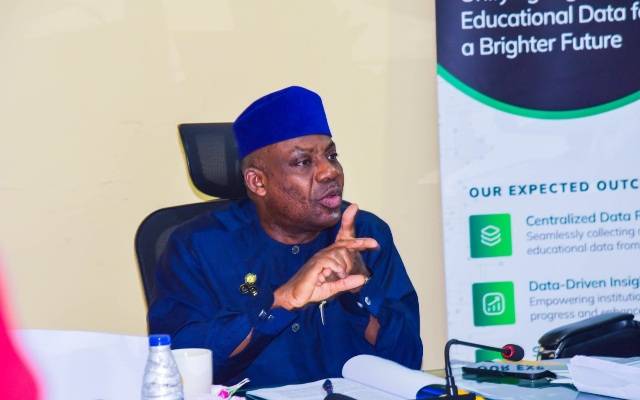
Education Minister Tunji Alausa announced this development on Monday during the 2026 UTME Admissions Policy Conference. He specified that candidates possessing four credit passes in relevant subjects will have the opportunity to apply to universities of education without the prerequisite of a UTME score.
Despite this change, Professor Alausa emphasized the necessity for these candidates to register with the Joint Admissions and Matriculation Board (JAMB). Their credentials will be scrutinized, verified, and certified as part of the process for obtaining admit cards through the Central Admissions Processing System (CAPS). He underscored the existing demand for teacher education, particularly among local applicants, citing empirical data from JAMB.
The minister noted that factors such as geographical proximity, cultural compatibility, affordability, and community需求 are essential drivers that make colleges of education well-equipped to welcome highly motivated candidates. Alausa highlighted the importance of harnessing this potential to not only increase access to education but also to tackle the persistent issue of out-of-school youth while fostering a positive outlook on the teaching profession from an early age.
Recognizing these challenges, the Federal Ministry of Education, in collaboration with various stakeholders, has decided on a thoughtful policy shift. Candidates aiming for admission into the National Certificate in Education (NCE) program will need to achieve a minimum of four credit passes and will be exempt from the UTME requirement.
Furthermore, the federal government has also granted an exemption to individuals pursuing national diploma programs in non-technical agriculture and related fields. Alausa explained that this balanced approach aims to foster greater access to education while ensuring the integrity of the admissions process. It seeks to alleviate the pressures usually associated with the UTME while promoting participation in crucial areas like teacher and agricultural education, both of which are vital for Nigeria’s development.
Alausa commended JAMB’s initiatives to enhance the inclusive participation of persons living with disabilities (PWLD) through measures like application fee waivers and other targeted programs. He described this approach as not only compassionate but also a strong affirmation of Nigeria’s commitment to fairness and equal opportunities. The increasing involvement of candidates with disabilities in exams and admissions processes serves as a testament to the idea that when barriers are dismantled, human potential flourishes.
In addition, the minister assured that the federal government will continue to strengthen support systems, improve accessibility, and enhance the responsiveness of educational institutions to the needs of various demographic segments. He urged all educational facilities to further these efforts by cultivating inclusive learning environments that prioritize dignity and success for all students, irrespective of their physical or social challenges.
