


Court Rules Against Long-Term Detention of Immigrants Without Bail Hearings
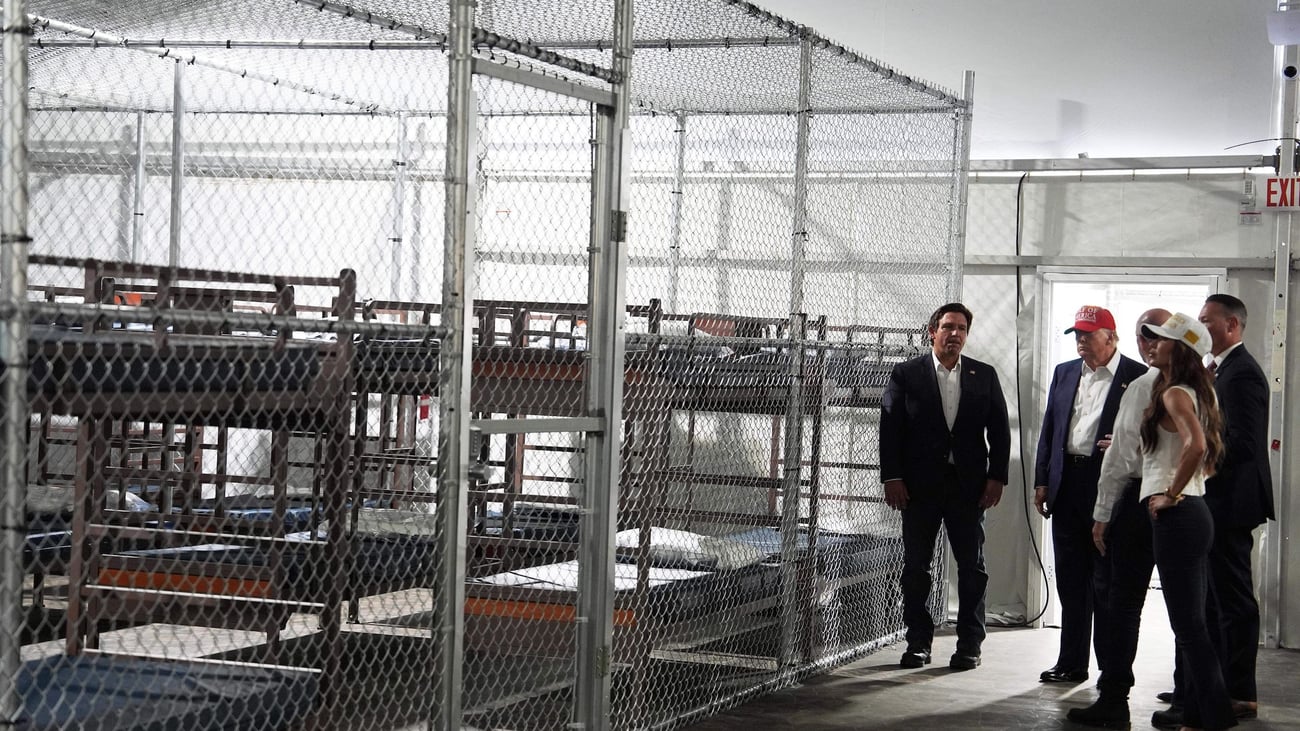
A federal appeals court panel has ruled that the Trump administration cannot detain long-term immigrant residents without providing them an opportunity for a bail hearing. The 2-1 decision by the Sixth Circuit court marks a significant development in immigration law.
Distinction Between Long-Term Residents and New Arrivals
In its ruling, the court emphasized that individuals who have spent years living in the United States should not be subject to the same treatment as those attempting to enter the country illegally. U.S. Circuit Judges R. Guy Cole and Eric Clay, both appointed by President Bill Clinton, upheld a lower court’s decision, affirming that noncitizens who have established their lives in the U.S. cannot be subjected to mandatory detention.
Details of the Lawsuit
The case was brought forth by a group of immigrants from Mexico, El Salvador, Venezuela, Nicaragua, and Guatemala, all of whom have lived in the United States without legal status for extended periods. Although these individuals were generally law-abiding, minor infractions such as traffic violations led to their arrest by Immigration and Customs Enforcement (ICE), where they were detained without an option for bail under the previous administration’s policies.
Legal Framework and Implications
The Illegal Immigration Reform and Immigrant Responsibility Act defines an “applicant” as someone present in the U.S. without authorization. It establishes distinct detention systems, with mandatory detention for those seeking entry and clemency detention for noncitizens currently within the country awaiting proceedings. In July 2025, ICE indicated in a memo that all “admission applicants” would face mandatory detention.
Government’s Position and Court’s Rejection
The government argued that all applicants for admission are inherently “seeking admission” to the U.S. However, Judge Clay dismissed this rationale, stating that true applicants must actively seek lawful entry. In this case, he determined that the plaintiffs were not seeking entry since they had never been legally authorized to enter the country.
Constitutional Protections for Noncitizens
Drawing on Supreme Court precedents, Judge Clay noted that noncitizens who have integrated into American communities enjoy stronger constitutional protections than those at the border. “Noncitizens in the interior of the United States are entitled to the protections of the Due Process Clause,” he asserted. He added that should Congress have intended widespread detention of such individuals, it would have enacted measures to address the logistical challenges involved.
Dissenting Opinion and Ongoing Judicial Divide
U.S. Circuit Judge Eric Murphy, appointed by President Donald Trump, dissented from the majority’s interpretation. He argued that the ruling neglects the intent of Congress to eliminate inconsistencies in immigration law that previously allowed illegal entrants to enjoy more rights than those presenting themselves legally at the border. This decision aligns with similar rulings in the 11th and 2nd Circuits while contrasting with opinions from other federal appeals courts, deepening the existing judicial divide surrounding immigration policies.
The U.S. Department of Homeland Security has not commented on this ruling, leaving questions regarding its future implications in the realm of immigration law unanswered.
