


Nigeria’s Independence Vision vs. Current Realities
On October 1, 1960, Sir Abubakar Tafawa Balewa, the first Prime Minister of Nigeria, delivered a momentous speech to commemorate the nation’s independence. He expressed pride in Nigeria’s journey, stating that the country had earned its rightful place on the global stage. However, nearly six decades later, Nigeria finds itself lagging behind several nations, including Brazil, Malaysia, and South Africa, in terms of human capital, infrastructure, and technological advancement. The aspirations highlighted by the founding fathers now seem distant, overshadowed by persistently crippling challenges that remain unresolved despite Nigeria’s vast resources.
A Historical Overview of Nigeria’s Political Turmoil
Since its independence, Nigeria has transitioned through three democratic regimes, yet each has faced significant setbacks. The First Republic, which lasted 63 months, came to a violent end with a military coup in 1966. Major Chukwuemeka Kaduna Nzeogwu, in justifying this upheaval, described a political landscape riddled with corruption and incompetence. He characterized political figures as “political profiteers” who were undermining the nation’s progress and integrity.
Military Rule and Its Aftermath
Following the First Republic’s collapse, Nigeria was governed by a succession of military regimes until the establishment of the Second Republic in 1979, which also faced turbulence. Brigadier General Sani Abacha’s rise to power marked a new chapter in Nigeria’s political history, beginning in 1984 with his own coup. In his inaugural address, he lamented the dire state of Nigeria’s economy and public services, highlighting the rampant mismanagement that had crippled the nation.
Revisiting Historical Narratives
General Abacha’s portrayal of Nigeria’s plight echoed through time, with successive leaders also identifying similar issues. In his subsequent speeches, Major Muhammadu Buhari addressed the high stakes of political power, reflecting on the brutal competition among politicians to maintain control at any cost—a theme that continues to resonate in today’s political discourse.
The Collapse of the Third Republic
The Third Republic, conceived under General Ibrahim Babangida, met its demise following the annulment of the June 12, 1993, presidential election, which was widely regarded as free and fair. This controversial decision led to a heightened atmosphere of political unrest, as various factions attempted to invalidate the election results, each citing alleged violations of election laws.
The Repercussions of Political Infighting
In light of the political controversies surrounding the June 12 election, Babangida justified the annulment on the grounds of preventing judicial chaos and external interference. His decision emphasized the urgent need for internal stability, yet it also exposed the enduring struggle between military leadership and the political class, a conflict fueled by accusations of corruption and incompetence that has plagued Nigeria for decades.
Preparing for Future Challenges
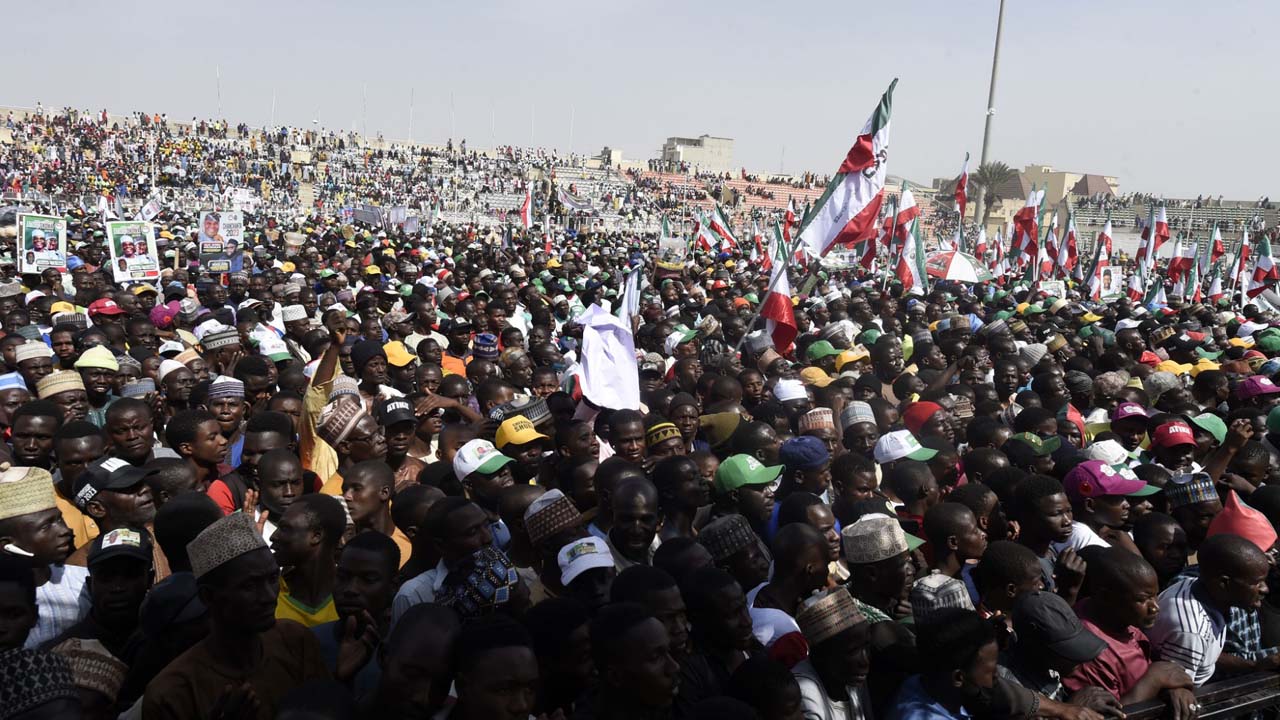
As Nigeria gears up for the 2023 general elections, the cycle of mismanagement and divisiveness remains alarmingly prevalent among its political leaders. The same fundamental issues that have historically undermined governance continue to threaten Nigeria’s national unity and prospects for growth. Observers note a troubling lack of urgency among political actors to address critical concerns affecting the nation’s future, raising questions about the country’s ability to fulfill the hopes and dreams envisioned at independence.
