


Federal Court Rules on Deportation Case of Colombian Immigrant
A federal judge ruled on Wednesday that the Trump administration likely violated legal protocols by deporting a Colombian woman, Adriana Maria Quiroz Zapata, to the Democratic Republic of the Congo (DRC) in April, despite the DRC’s refusal to accept her. This ruling underscores the complexities surrounding immigration law and the legal framework governing deportation processes.
Extradition Order Uncommon in Deportation Cases
In a rare move, Judge Richard J. Leon ordered the administration to extradite the 55-year-old Zapata back to the United States. Such a directive is unusual, especially during an administration actively campaigning for her deportation. As of Wednesday night, the ruling had not been finalized in the public record, although Zapata’s attorney provided the information to The New York Times.
Government Pressure to Facilitate Deportations
U.S. Immigration and Customs Enforcement (ICE) and the State Department face significant pressure from the White House to find nations willing to accept immigrants who cannot be returned to their home countries. This challenge typically arises when judicial rulings suggest that returning these individuals could subject them to persecution or torture.
Congolese Government Refusal and Health Concerns
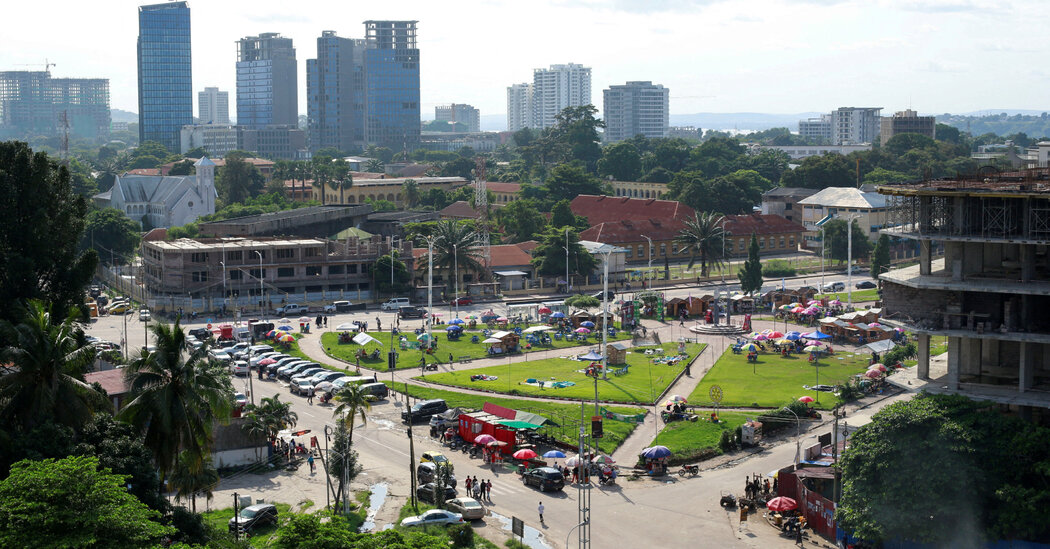
In attempts to address the deportation dilemma, the Trump administration has negotiated agreements with countries prepared to accept certain migrants. While the Congolese government has agreed to accept some deportees, it specifically declined to accept Zapata due to medical concerns. According to her attorney, Lauren O’Neill, Zapata suffers from diabetes, hyperlipidemia, and hypothyroidism, conditions that the DRC’s interior ministry indicated could not be adequately treated within its healthcare system.
Legal Implications of the Ruling
Judge Leon highlighted the gravity of the situation, stating that sending Zapata to the DRC would likely violate legal standards. Federal law allows deportation to countries outside an individual’s nation of origin, contingent upon the receiving country’s consent. The Department of Homeland Security did not respond to inquiries about the case, nor did the Congolese embassy in Washington provide any immediate feedback.
Personal Impact on Zapata and Similar Cases
This case mirrors the experience of Kilmer Armando Abrego Garcia, a Maryland resident wrongfully deported to El Salvador last year. Judge Leon referenced Abrego Garcia’s case in his judgment, demonstrating the courts’ crucial role in protecting individuals from unjust deportation. In interviews, Zapata shared her fears, revealing that she fled her home country to escape an abusive ex-partner, expressing concerns about potential persecution if returned to Colombia.
Next Steps Ordered by the Court
Judge Leon has mandated that the administration report by Friday evening on the measures it is taking to facilitate Zapata’s return to the United States. His involvement in such high-profile cases has previously drawn attention, including criticism from Donald Trump over judicial decisions affecting administration policies. This ruling marks a critical moment in the ongoing discourse related to immigration law and enforcement practices.
