


Africa’s Path to AI Integration Requires Urgent Investment
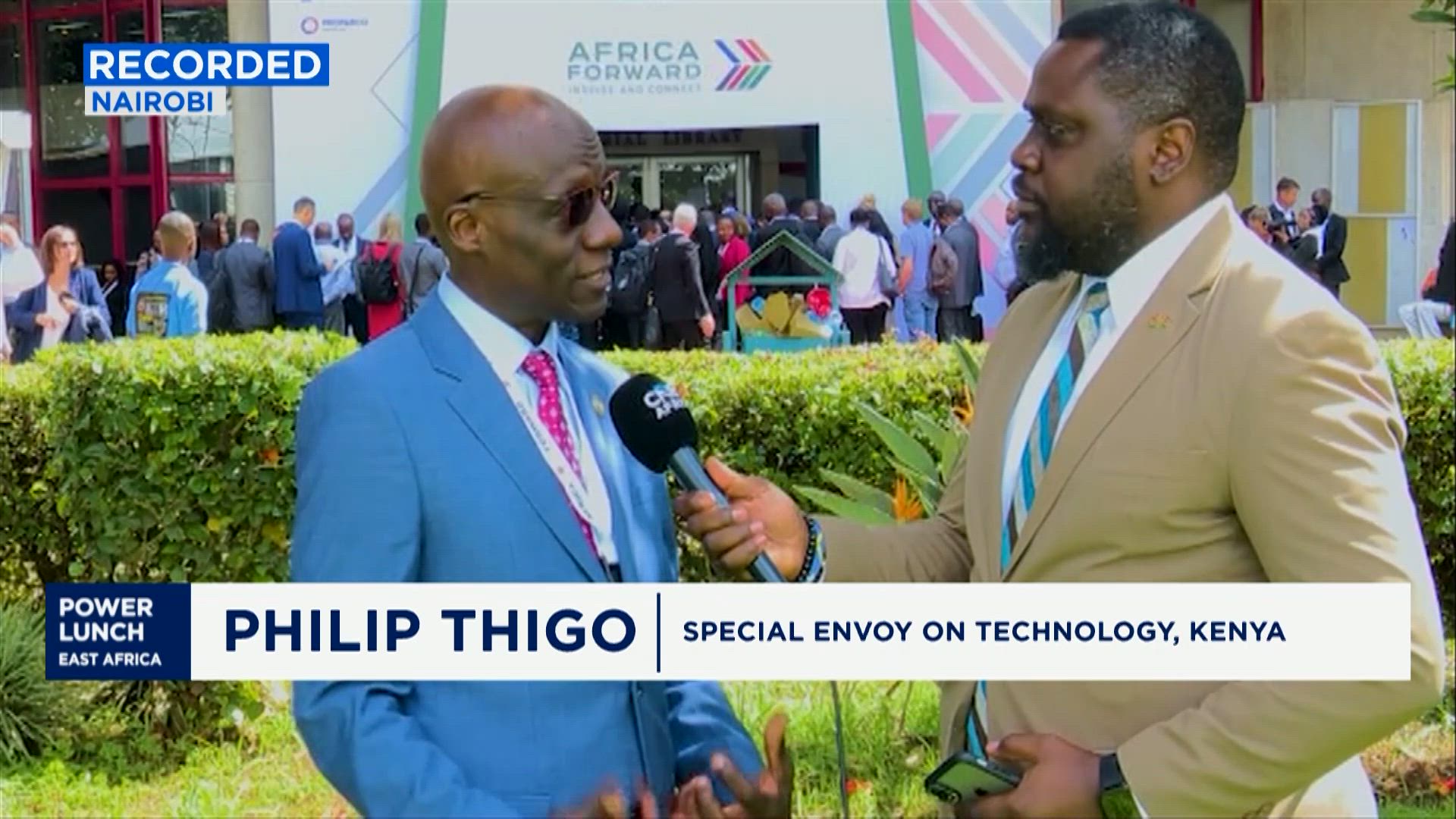
NAIROBI, Kenya — For Africa to secure a significant role in the global artificial intelligence (AI) economy, both governments and the private sector must transition swiftly from policy discussions to tangible investments in infrastructure, computing capacity, and skills development, according to Philippe Tigo, Kenya’s special envoy for technology.
Key Priorities for AI Advancement in Africa
At the recent Africa Forward Summit in Nairobi, themed ‘Africa-France Partnership for Innovation and Growth’, Tigo emphasized three critical areas that will shape the continent’s AI journey: infrastructure, computing capability, and talent development. His statements underscored a prevalent sentiment from the summit: Africa’s technological future hinges not on mere declarations but on immediate financing and actionable implementations.
The Importance of Robust Infrastructure
Tigo highlighted the pressing need for both physical and digital infrastructure, especially given the increasing power and connectivity demands of AI systems. He called for enhanced collaboration between the public and private sectors to fund the essential infrastructure required for a modern digital economy.
The Need for Enhanced Computing Resources
Another major focus is the necessity for investment in data centers and computing resources. Tigo cautioned that without adequate computing power, African nations and startups risk being excluded from emerging technological advancements. His warning emphasizes a critical juncture: without sufficient infrastructure, competition on the global stage becomes virtually impossible.
The Role of Talent Development
The third pillar, as Tigo pointed out, is the cultivation of talent. He stressed the importance of skill development to empower African workers and founders to create technology that addresses local challenges. This narrative goes beyond technology; it intertwines with workforce development and overall competitiveness, particularly vital for a continent with a youthful population.
AI as a Catalyst for Startups
Tigo positioned AI as a powerful enabler for startups, suggesting that the technology can equip smaller enterprises with the capabilities previously reserved for larger corporations. He illustrated how AI can allow a small startup in Nairobi to operate with the agility and scope of a larger company, thereby enhancing operational efficiency and expanding service offerings.
Private Sector’s Role in AI Implementation
Tigo’s comments underscored the vital role of the private sector in transforming AI’s potential into real projects and job creation. He noted that businesses not only fund innovation but also help build trust and capacity within the economy. Governments, he added, should focus on reducing risks associated with private investments by fostering enabling policies and creating a stable business environment.
Call for Action from Governments
For investors, this message is particularly relevant. Despite the enthusiasm for AI in emerging markets, the existing policy and infrastructure frameworks often lag behind the necessary pace for long-term deployment. Tigo proposed that African governments should act as facilitators, leveraging policy tools to actively engage the private sector while reducing perceived risks.
Urgency for Infrastructure Development
The summit underscored the need for concrete outcomes rather than vague commitments. Tigo stressed that the Kenyan delegation aims to avoid non-binding agreements and is focused instead on measurable impacts such as investments in computing resources and collaborations in research. With around $2 billion in agreements already signed, urgency for immediate capital and skills development is paramount, particularly for a continent with a growing population seeking job opportunities and digital advances.
Realizing Africa’s AI Ambitions
The overarching takeaway from the summit is that Africa’s AI ambitions must be rooted in hard economics, focusing on essential factors like power, server capacity, and workforce development. By aligning these elements, officials believe the continent can not only catch up with global trends but also leapfrog in certain technology sectors. The clear message emerging from Nairobi is that while Africa’s aspirations in AI are robust, it is crucial for investments in capital, infrastructure, and skills to accelerate to match this ambition.
