


Concerns Over Women’s Exclusion in Political Leadership Intensify Ahead of 2027 Elections
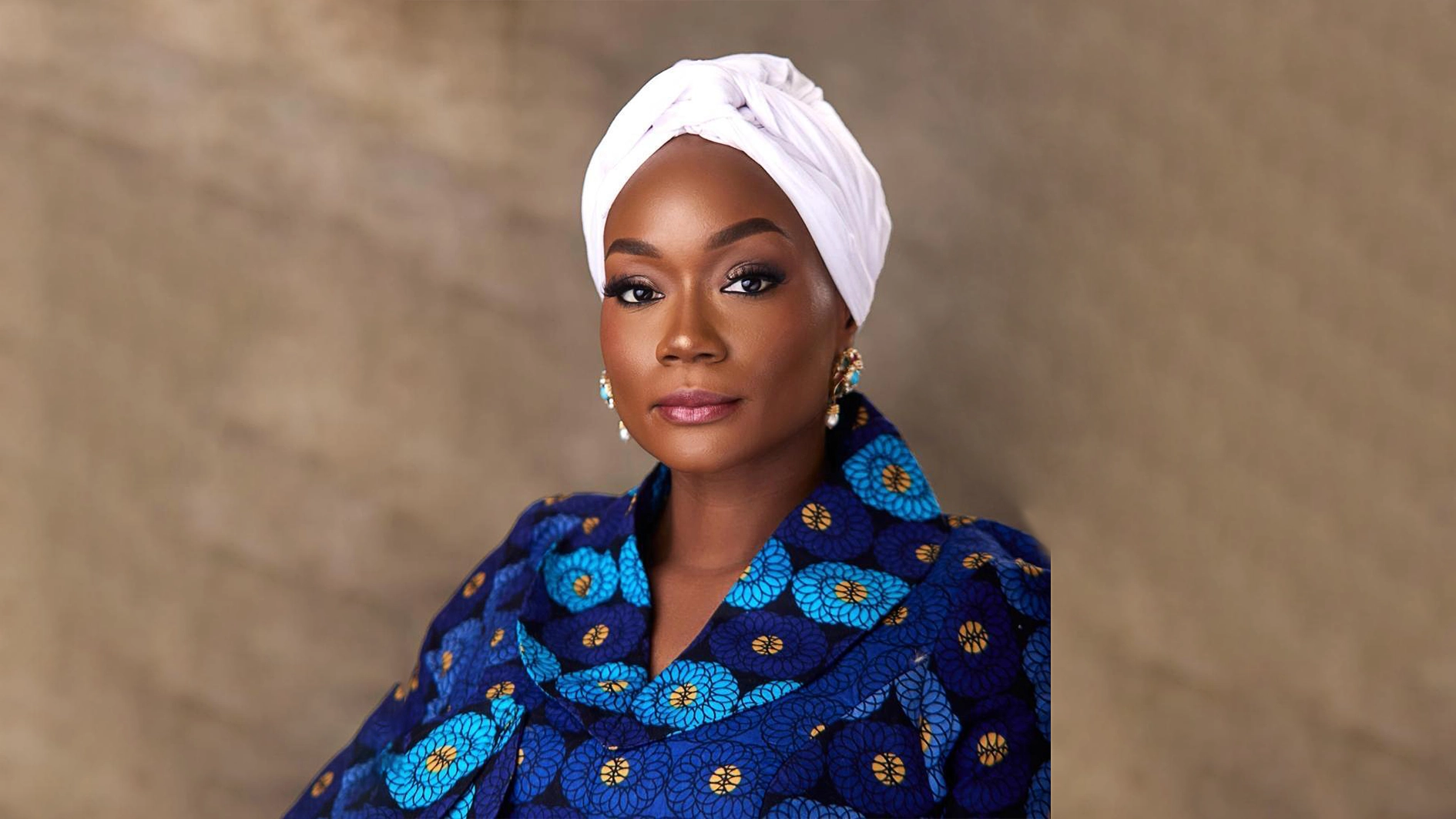
Mrs. Osasu Igbinedion Ogwuche, Founder and Chairman of TOS Foundation Africa, has raised alarms about the systematic marginalization of women in political leadership, particularly during party primary elections. She emphasized that the internal mechanisms of political parties are increasingly sidelining women’s participation as Nigeria prepares for the 2027 general elections.
As the director of the Her Academy Leadership Institute, Ogwuche referenced former Liberian President and Nobel laureate Ellen Johnson Sirleaf, who asserted that women’s empowerment is essential for society, not merely a privilege. This perspective highlights the urgent need for reforms that promote women’s inclusion in political spaces.
Ogwuche recalled the advocacy efforts surrounding the Women’s Reserved Seats Bill, where a common counterargument was the belief that women should compete directly with men. Critics suggested that political success is earned through resilience and struggle, not given through reserved seats. However, she countered that the existing political structures in Nigeria inherently disadvantage women long before campaigns begin.
As political parties gear up for the 2027 elections, Ogwuche noted a troubling trend in which women are increasingly marginalized. She underscored that this phenomenon underscores a systemic bias against female participation within Nigeria’s political framework, a situation exacerbated by the country’s low global ranking in women’s parliamentary representation.
Currently, Nigeria ranks 180th out of 185 nations in the Inter-Parliamentary Union’s assessment of female parliamentarians. With only 4% of parliamentary seats held by women—well below the global average of 26.9%—Ogwuche lamented the missed opportunities for female leadership in Nigeria, contrasting it with countries like Rwanda, which boasts 61% female representation in parliament.
Ogwuche’s work at the Harcademy Leadership Institute focuses on empowering women in politics. She pointed out that women stakeholders are frequently pressured to withdraw from candidacies in favor of consensus options, a trend that spans various political parties, including the Peoples Democratic Party (PDP) and All Progressives Congress (APC).
Drawing on statements from former South African President Thabo Mbeki, Ogwuche stressed that Africa’s developmental goals cannot be met without the full participation of women in all spheres of life. Nigerian women continue to face exclusion within formal political frameworks, raising serious questions about the practical steps necessary to combat these challenges.
In March 2025, TOS Foundation Africa launched a campaign advocating for the Women’s Reserved Seats Bill, aimed at establishing exclusive seats for women within Congress and state legislatures. Despite receiving significant support from key political figures—including President Bola Ahmed Tinubu and Senate President Godswill Akpabio—the bill remains stalled among 44 proposed constitutional amendments in the National Assembly.
Ogwuche contrasted Nigeria’s stagnation with countries that have successfully implemented gender quotas, which have dramatically increased women’s representation. She cited successes in nations like Bolivia and Senegal, where legislative changes have led to a more equitable balance in political representation. Rwanda, she noted, has mandated a minimum of 30% female representation in all decision-making bodies through its constitution.
The lack of movement on the Women’s Reserved Seats Bill raises concerns about Nigeria’s commitment to gender inclusion at the highest levels. Ogwuche interpreted the ongoing political struggle as a necessary socio-economic imperative, underlining that women’s participation is crucial for enhancing national productivity and stability.
Research from the McKinsey Global Institute indicates that advancing women’s equality could contribute up to $12 trillion to global GDP. Additionally, the World Economic Forum suggests that nations with more robust female political representation experience improved human development and lower corruption rates.
Ogwuche pointed to documented barriers faced by women in politics, such as voter bias and inadequate funding, which were spotlighted in a report by the National Democratic Institute. Only 179 women were elected to parliamentary positions in the 2023 general elections, reflecting systemic issues designed to discourage their candidacy.
As preparations for the 2027 elections heat up, Ogwuche urged decisive action to improve women’s representation in governance. She warned that relying on women to simply “fight and participate” is inadequate when structural impediments persist. The successful political integration of women will require deliberate interventions and a commitment from leaders to ensure that supportive rhetoric translates into legislative action.
Ogwuche’s appeal for women aspiring to leadership roles emphasized the importance of documenting experiences of exclusion and creating alliances to advocate for meaningful reforms. She concluded that Nigeria cannot afford to sideline half its population, especially as the political landscape develops towards the upcoming elections, calling for a renewed focus on inclusivity in governance.
