


Release of Army Sergeant’s Wife from Immigration Custody
EL PASO, Texas — After a month in federal immigration custody, Daisy Rivera Ortega, the wife of a U.S. Army sergeant, has been released. Jose Serrano, an active-duty soldier stationed in Texas and a veteran of three tours in Afghanistan, had previously informed The Associated Press that immigration officials detained his wife during a meeting on April 14 to discuss her green card application.
Advocacy Sparks Intervention from Officials
U.S. Senator Tammy Duckworth, a military veteran and Democrat, became aware of Rivera Ortega’s plight through an advocacy group. On Wednesday, she reached out personally to Homeland Security Secretary Markwayne Marin to advocate for the release of Rivera Ortega. By Thursday night, she had returned home.
Conditions of Release from ICE Custody
The Department of Homeland Security (DHS) confirmed that Rivera Ortega was released from ICE custody under specific conditions, which include the use of a GPS tracking device, mandatory home visits, and regular check-ins at an ICE office. The DHS emphasized that she would continue to have access to full due process.
Background on Rivera Ortega’s Immigration Journey
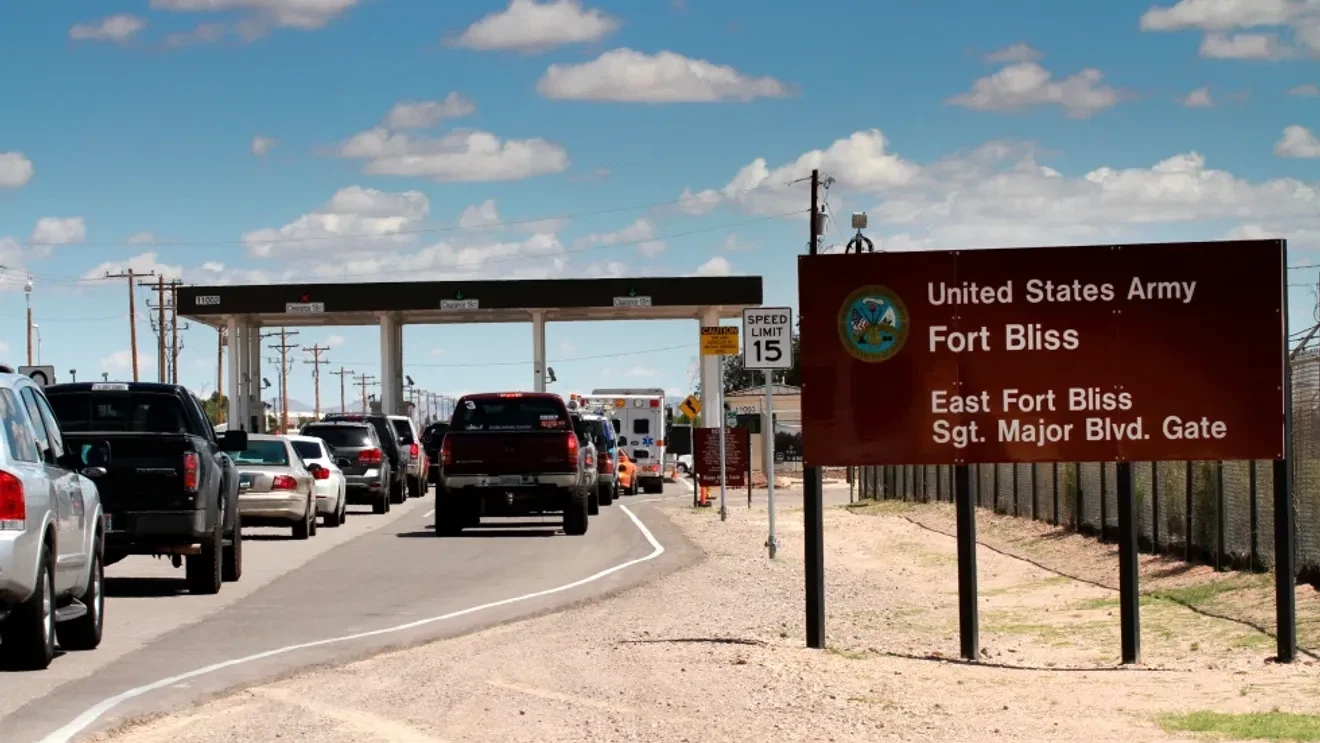
Rivera Ortega and Serrano, who are based in the Fort Bliss area, were married in 2022. Rivera Ortega, originally from El Salvador, entered the United States unlawfully in 2016. A final order of removal was issued by a judge in December 2019, as noted by DHS. Despite her immigration status, she had been employed at two local hotels, carried a military spouse identification card, and held a valid work permit, according to Duckworth’s office.
Policy Changes Impacting Military Families
In April, the DHS revoked a 2022 policy that recognized the military service of immediate relatives as a “significant mitigating factor” in immigration enforcement decisions. Under the new policy, military service alone does not safeguard individuals from the repercussions of violating U.S. immigration laws.
National Security Concerns Raised by Advocates
Advocates for military families have expressed concerns that detaining spouses of active-duty soldiers poses national security risks by diverting soldiers’ focus from their essential duties. Senator Duckworth highlighted the urgent need for military members to concentrate on their missions without the added stress of worrying about their families’ safety. “Our warfighters need to talk, think, and focus solely on the enemies who harm us,” she said.
Broader Context of Deportation Proceedings
According to DHS, over 100 relatives of veterans currently face deportation proceedings under the mass deportation policies initiated during the Trump administration. Additionally, as of January 26, 34 veterans were also placed in removal proceedings. In several instances, active-duty military personnel and veterans’ spouses have been released from federal custody following public outcry and bipartisan intervention from Congressional leaders.
