


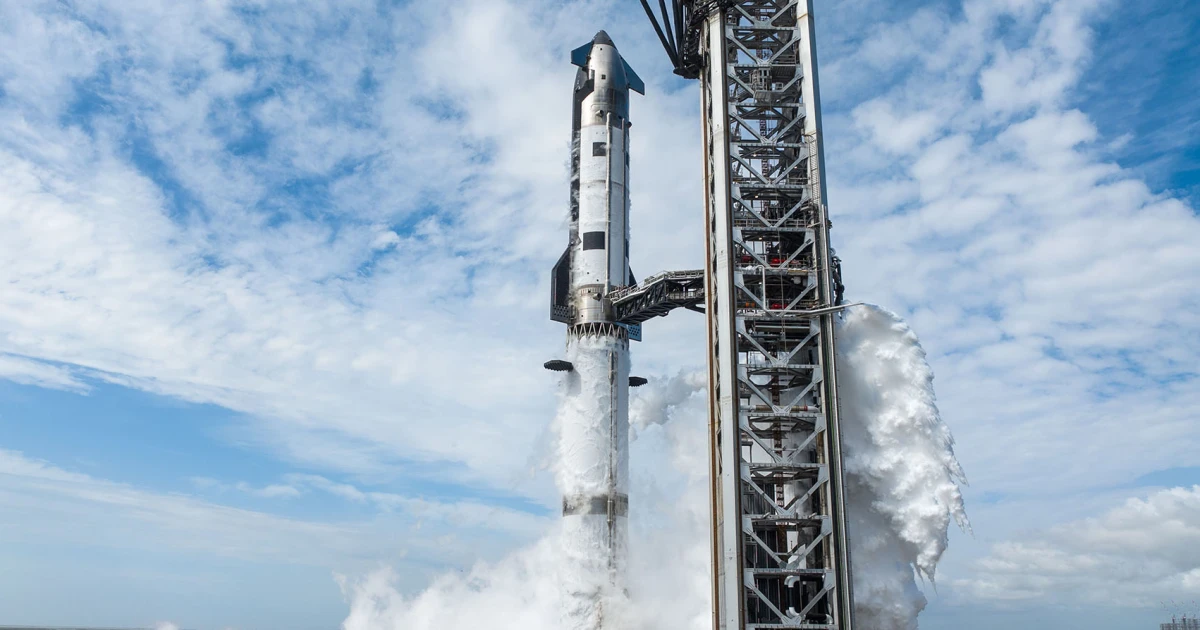
SpaceX Prepares for Critical Starship Test Flight
SpaceX is gearing up for the launch of its latest Starship prototype, a pivotal test flight scheduled for Tuesday. This prototype is part of NASA’s ambitious Artemis program, which aims to transport astronauts to the lunar surface within the next two years.
High Stakes for SpaceX and Starship
The significance of this test extends beyond SpaceX’s internal goals, especially as the company is embroiled in a competitive race against Blue Origin, led by Jeff Bezos, to develop a lunar lander for NASA’s 2028 mission. NASA intends to evaluate one or both spacecraft in low Earth orbit as part of its upcoming Artemis III mission.
Upcoming IPO and Market Expectations
In tandem with the test flight, SpaceX is also set to make its highly anticipated IPO next month, which could potentially be the largest in history. According to reports, the company plans to release its prospectus shortly after the test flight, aiming for a market debut around mid-June.
Past Challenges and Future Innovations
SpaceX’s journey with Starship has not been without challenges. In the previous year, the program encountered multiple setbacks during test flights, including uncontrolled re-entries and mid-flight explosions. The most recent flight occurred seven months ago, leading to a comprehensive redesign of both the Super Heavy booster and the upper stage, now referred to as Ship.
Details of the Upcoming Launch
The upcoming launch will mark the first test of the new third-generation Starship, designated V3, which is taller and more powerful than its predecessor. Standing at 408 feet when fully assembled, the reimagined spacecraft will take off from a new pad at SpaceX’s Starbase facility in Texas during the designated 6:30 p.m. ET launch window.
Flight Plan and Objectives
SpaceX’s flight plan for this suborbital test is largely consistent with previous test flights. Starship aims to deploy 22 mock Starlink satellites during the mission and will reignite one of its six Raptor engines while in space, demonstrating technology crucial for future deorbit burns.
Future Missions and Technical Upgrades
The test flight is expected to last approximately 65 minutes, culminating in the upper stage splashing down in the Indian Ocean. SpaceX envisions reusing the spacecraft by employing a mechanical arm to “catch” it on its way back to the launch tower. Despite past successes with similar catch maneuvers for the Super Heavy booster, it is planned for this flight to instead land in the Gulf of Mexico.
Addressing Timelines and Upcoming Challenges
SpaceX’s development timeline has faced scrutiny, particularly as NASA’s Artemis III mission has been pushed to late 2027, delaying the initial 2023 launch schedule. The challenges continue as SpaceX works toward qualifying Starship to rendezvous with NASA’s Orion capsule for the upcoming mission. Furthermore, the 2028 Artemis IV mission plans involve the upper stage of Starship tying into the broader lunar exploration agenda.
Technical Enhancements for Starship V3
The V3 version of Starship has benefited from significant upgrades, including new Raptor 3 engines capable of producing around 18 million pounds of thrust and expanded propellant tank capacities. SpaceX has also modified the booster design, changing the configuration of grid fins essential for precise landings.
Looking Ahead to Refueling in Space
One of the key features of Starship will be its capability to transfer propellant in space, which is vital for future lunar missions. While SpaceX has yet to attempt such refueling, a successful test flight on Tuesday could pave the way for essential advancements in that area, supporting broader ambitions for both lunar and Mars exploration.
