


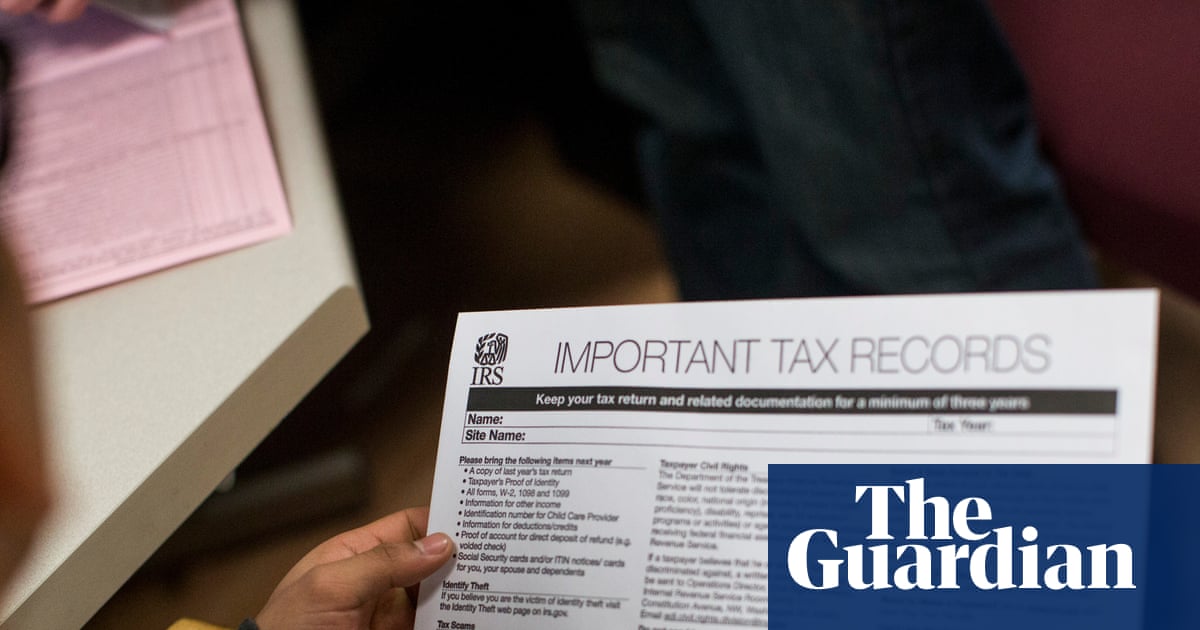
Projected Tax Revenue Loss from Immigration Policy Changes
Recent estimates suggest that the immigration policies enacted during the Trump administration could cost the United States up to $479 billion in tax revenue over the next decade. This projection stems from the anticipated decrease in tax filings by undocumented workers in light of heightened enforcement measures.
Increased Filing Risks Deter Tax Compliance
Tax advisors indicate that the potential sharing of taxpayer information with immigration enforcement agencies has made the process of filing taxes more daunting for undocumented immigrants. The elimination of tax benefits for immigrant parents has further disincentivized tax compliance, leading many to forgo filing altogether.
Tax Preparers Facing Client Anxiety
During tax season, Daisy Schmidt, an accountant in Springfield, Virginia, typically manages bookkeeping and assists clients in preparing their returns. However, as the threat of Immigration and Customs Enforcement (ICE) permeates the atmosphere, Schmidt has devoted considerable time to reassuring clients who are fearful of filing. Despite her efforts, numerous applications were rejected this season.
Community Trust Eroded by Policy Changes
Schmidt’s firm, Crese Latino, primarily serves the Latino community, yet she reports a staggering 75% loss in clientele this tax season. Other tax professionals catering to Latino clients have similarly observed a decline as a result of the shifting federal immigration policies. A recent agreement between the Internal Revenue Service (IRS) and the Department of Homeland Security to share information about undocumented immigrants has only heightened these fears.
Impact of Child Tax Credit Changes
Starting in 2025, undocumented parents will be ineligible for the child tax credit, affecting numerous families even if their children are U.S. citizens. This credit, which often translates to substantial financial savings, is an essential resource that many families rely on to navigate economic challenges.
IRS Policy and Tax Compliance Among Undocumented Immigrants
Despite the anxiety surrounding tax filing, undocumented immigrants are still generally required to pay taxes. Long-standing IRS policies aim to safeguard their information, though the shifting landscape has complicated these dynamics. Experts note that even amid increased enforcement risks, many undocumented individuals choose to file their taxes, viewing it as an essential step toward demonstrating their commitment to compliance and legal residency.
Potential Implications for Federal Revenue
Experts warn that the federal government could see billions in tax revenue losses due to declining filings. Predictions from Yale University’s Budget Institute posit potential losses between $147 billion and $479 billion across the next decade. Additionally, up to 2.7 million U.S.-born children may lose access to crucial tax credits due to these changes, raising concerns about their financial stability.
Broader Impact on Immigrant Communities
The atmosphere of fear surrounding federal immigration enforcement continues to cause distress among immigrant families. A study from the Urban Institute found that one in four adults within immigrant households fears deportation. In light of this, advocacy groups stress the imperative for the government to ensure a secure environment for all taxpayers and call for a commitment to upholding court orders that prohibit the sharing of taxpayer information for immigration enforcement.
Child Tax Credit as a Poverty Reduction Tool
Advocates for the child tax credit emphasize its role as a crucial mechanism for combating poverty, particularly as child poverty rates rise amid economic instability. With recent estimates indicating that child poverty has surged to approximately 13-16%, this credit remains vital for helping families manage financial challenges, regardless of the legal status of the parents.
