


Significant Impact of Immigration Detention on U.S. Children
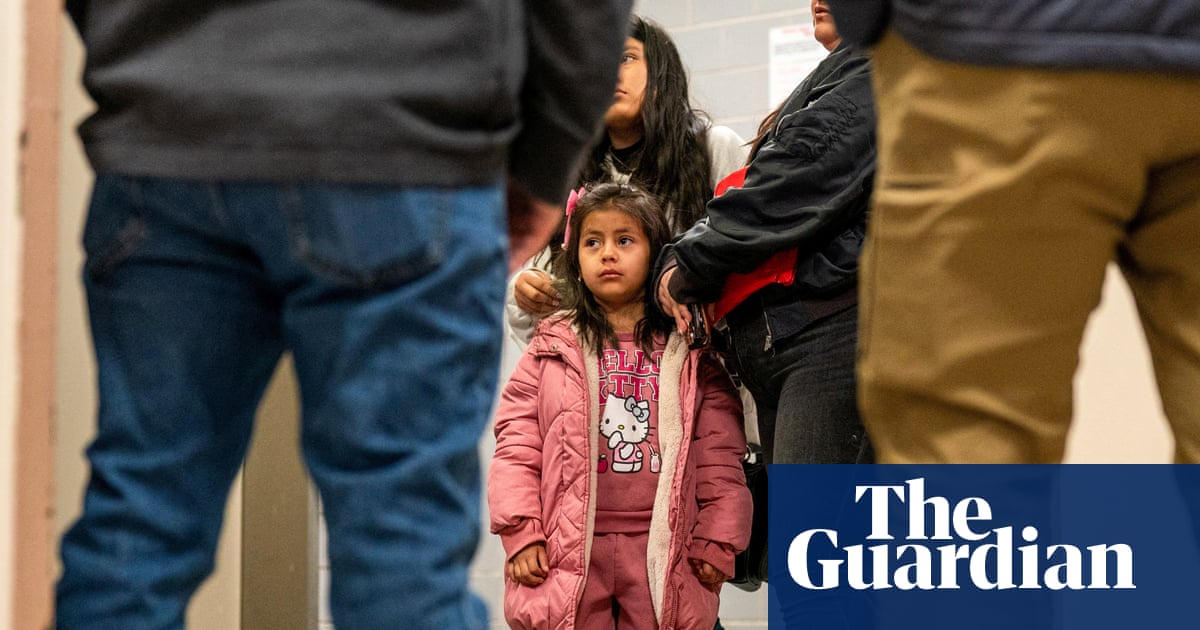
Since Donald Trump’s presidency began, over 145,000 children in the United States are estimated to have had a parent detained by immigration authorities, according to a new report from the Brookings Institution. This report, released on Monday, underscores the consequences of the widespread deportation efforts initiated by the Trump administration, which commenced in January 2017.
Detention Campaign Statistics and Demographics
The Brookings study estimates that approximately 146,635 U.S. citizen children have had a parent detained during this extensive deportation campaign. Alarmingly, the report highlights that more than 22,000 of these children faced the detention of both parents living in their household. Notably, around 36% of the affected children are under the age of six, reflecting the severe implications of a stringent immigration enforcement strategy that has been heavily criticized by civil rights and immigration advocacy organizations.
Regional Variations in Impact
The report reveals that a substantial portion of U.S. citizen children affected by parental detention are linked to Mexico, making up nearly 54% of the cases. Additionally, children with parents from Guatemala and Honduras collectively represent over 25% of this demographic. Washington, D.C., and Texas have the highest rates of U.S. citizen children impacted, with more than five per 1,000 having a detained parent.
Underreported Numbers and Methodology Concerns
Brookings researchers pointed out that the U.S. Department of Homeland Security (DHS) reported having 18,277 U.S. citizen children in its custody during the 2025 fiscal year. However, they cautioned that this figure likely underrepresents the actual situation. A preceding investigation by The Guardian noted that about 32,000 children were potentially affected in the first seven months of 2025 alone, following the arrest of approximately 18,400 parents, including an estimated 12,000 U.S. citizen children.
Escalating Deportation Rates
The research indicates that the Trump administration’s approach involved arresting approximately 2,300 parents and deporting around 1,400 each month in 2025—a rate nearly double that observed at the end of President Joe Biden’s tenure in 2024. The findings suggest that the integrity of family structures is at risk as immigration policies become more aggressive.
Descriptive Data Limitations
Brookings emphasized that many immigrants are either not questioned about their parental status during detentions or opt not to reveal this information due to fear of repercussions. Thus, the researchers utilized demographic data from the Detention Data Project, attempting to match the characteristics of detainees—such as country of origin and marital status—to similar undocumented immigrants identified in the American Community Survey.
The Broader Context of Immigration Enforcement
Approximately 13 million adults in the United States are undocumented or have limited legal protections. Consequently, over 4.6 million U.S. children risk deportation alongside at least one parent, while roughly 2.5 million could end up in a situation where all parents in their household are detained. The Brookings report asserts that achieving the administration’s goal of completely removing undocumented immigrants from the U.S. is both logistically and politically unfeasible. They recommend that DHS should consistently provide accurate data regarding the number of parents facing detention and the number of U.S. citizen children affected by deportations.
Government Responsibility for Affected Families
The report emphasizes that as immigration crackdowns continue, it is imperative to ensure that affected children receive essential support and protections. This responsibility should not be viewed as optional but rather as a crucial governmental obligation tied to the foreseeable consequences of family separation and displacement. In a statement to The Guardian, a DHS spokesperson insisted that detention is a choice, asserting that “ICE does not separate families” and detailing various provisions for parents.
Previous Findings on Family Separation Practices
Additional insights have emerged from a report released in March by the Women’s Refugee Commission and Physicians for Human Rights, which found that the Trump administration had deported numerous immigrant parents without inquiring about their children or allowing them the choice to make arrangements for their families. This context raises important discussions about the treatment of immigrant families under current and past immigration policies.
