


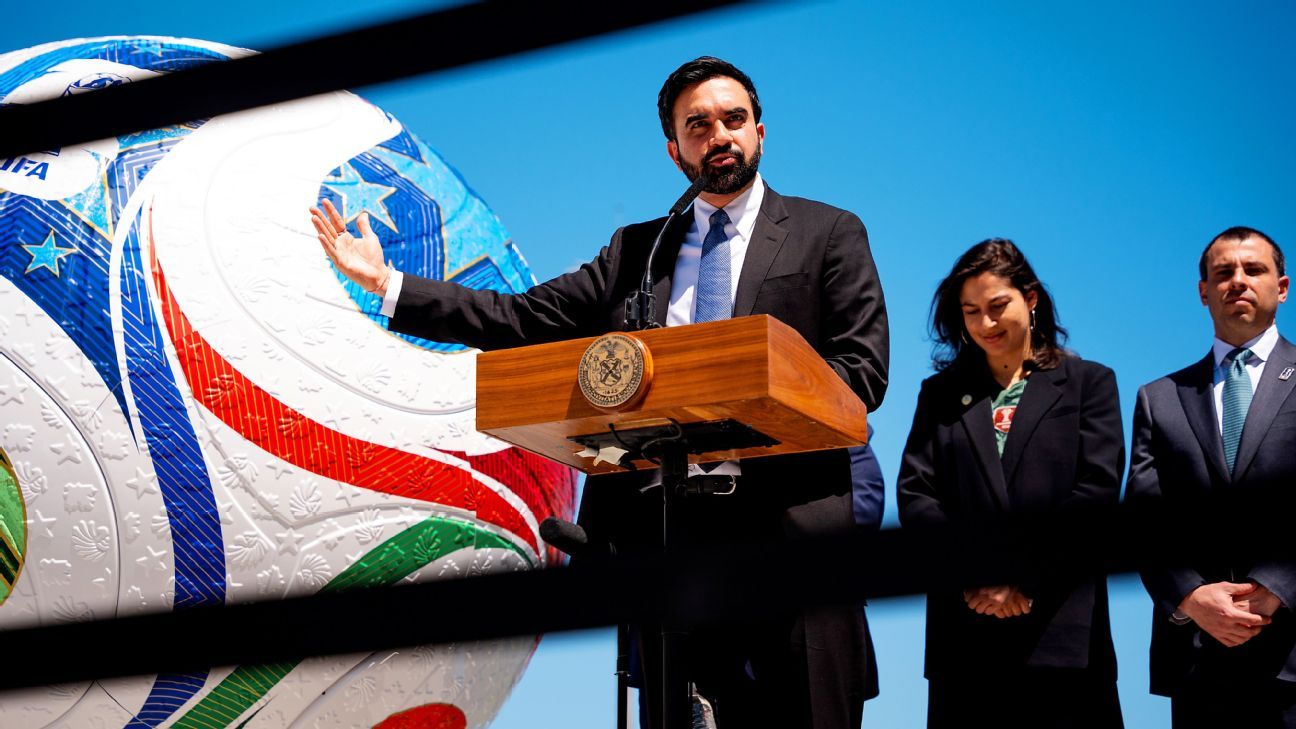
Following his recent election victory, New York City Mayor Zoran Mamdani expressed enthusiasm for the city’s role in hosting eight World Cup matches. However, New Jersey’s then-Governor-elect Mikie Sherrill quickly countered, pointing out that the matches would take place at New Jersey’s MetLife Stadium, not in New York City.
While the rivalry between New York and New Jersey has a long-standing historical context, it has taken on a new economic dimension as the World Cup draws nearer. Sherrill’s administration moved swiftly after her inauguration in January, devising initiatives to alleviate the financial burden of hosting the games from New Jersey taxpayers to international visitors attending the matches.
Divergent Views on Venue Recognition
Representative Nellie Pauw, whose district encompasses the stadium, remarked, “If it was New Jersey-New York, I would do it,” emphasizing local pride. Many New York officials argue that the allure of the city contributes significantly to the event’s appeal, despite MetLife Stadium’s location in New Jersey.
FIFA mandates that host cities modify stadium branding during the World Cup, a rule that has not sat well with some New Jersey officials. New York Governor Cathy Hochul, in a recent statement, highlighted the state’s central role in the World Cup festivities, dubbing New York the heart of the tournament.
Financial Strategies to Offset Costs
The New Jersey administration contends that their focus is not on staking a claim in the New York-New Jersey rivalry but rather on ensuring that local taxpayers are not shouldering the tournament’s financial responsibilities alone. Officials have called for a shift in how funds are allocated to ensure an equitable economic impact.
Recognizing the potential for overcrowded transportation systems leading into the stadium, New Jersey officials have implemented measures to facilitate the influx of visitors. New Jersey Transit plans to restrict access to trains departing from New York’s Penn Station, allowing only ticket holders, while also proposing steep discounts on fares to attract more attendees.
Economic Implications for Local Communities
The local economy is expected to feel the strain, with New Jersey estimating a $48 million requirement for enhanced transit services during the World Cup. Additionally, new revenue-generating measures will include lifting consumption taxes and increasing hotel rates during the events.
The move to raise taxes has drawn criticism from New Jersey residents, who feel they are unfairly impacted. Concerns about the cost of access to the tournament have sparked heated discussions, particularly regarding the high tolls for crossing into New York City and the planned fare hikes for transportation.
Community Responses and Safety Measures
Local officials wrestle with FIFA’s reluctance to accommodate the needs of the host community while adhering to strenuous requirements. Compliance issues could create significant challenges for emergency services, as fans will be restricted from walking or driving to the stadium, further complicating logistics for local authorities.
In discussions about the World Cup’s economic implications, East Rutherford’s leaders are focused on community well-being. They argue for properly compensating police and emergency services personnel who will need to work during the event, highlighting the need for sustainable funding solutions amid rising costs.
As both states grapple with FIFA’s demands and the associated economic implications, tensions remain palpable. In an atmosphere where both sides share grievances about the World Cup hosting agreements, officials from New Jersey are resolute in ensuring the tournament ultimately serves the interests of their residents.
