


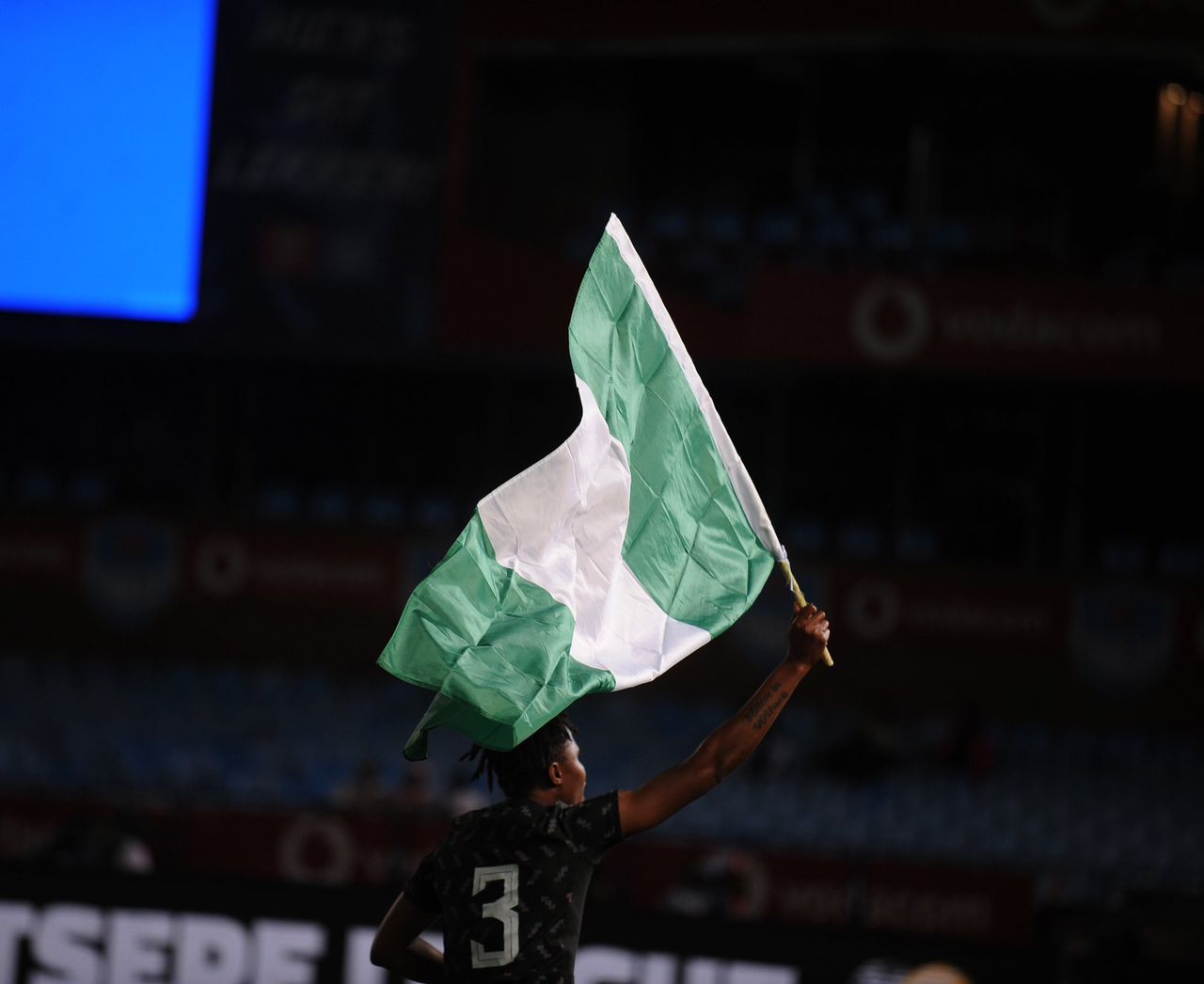
After a challenging and uncertain lead-up, Nigeria’s Super Falcons have successfully qualified for international friendlies, alleviating weeks of uncertainty ahead of the 2026 Women’s African Cup of Nations. The nine-time African champions are set to face the Senegalese women’s national team in two matches.
The matches will take place at Remo Stars International Stadium in Ikene on June 5 and June 8, respectively. This encounter holds considerable weight, given that the preparation timeline was disrupted recently. Authorized by the Nigeria Football Federation (NFF), the matches will be conducted within the FIFA international window, providing head coach Justin Madugu with a crucial opportunity to evaluate his squad before the continental clash in Morocco.
Overcoming Challenges in Preparation
The journey for Nigeria to the 2026 Women’s Africa Cup of Nations has been anything but smooth. Initially, the Falcons aimed for a packed schedule to gain an advantage, planning participation in the four-nation WAFU B tournament in Abidjan alongside Senegal, Ghana, and Ivory Coast. However, this tournament was unexpectedly canceled due to logistical complications.
Unfortunately, the situation worsened with the withdrawal of Jamaica from what was expected to be a significant international friendly in England. This series of cancellations has compelled Nigeria to scramble for alternative matches, raising concerns about their competitiveness against continental rivals.
Challenges in Securing Opponents
Behind the scenes, one of the most pressing issues for Madugu and his technical staff has been securing high-quality opponents for friendlies. While several African teams initially expressed interest in hosting matches, many retreated during negotiations. Paradoxically, Nigeria’s status as Africa’s most decorated women’s team may have deterred potential opponents, as teams prefer not to face them close to major tournaments.
Concerns Arise from Limited Game Time
The consequences of these setbacks are becoming increasingly evident. Nigeria has only played two matches in 2026, both against the Cameroon Women’s National Team in March. The team suffered a narrow 1-0 loss in the first game but made a commendable comeback with a 3-1 victory in Yaoundé. Despite this resilient response, the inconsistency displayed raises questions about the team’s cohesion and overall gameplay. Meanwhile, rivals like Zambia, South Africa, and Egypt have been actively preparing against stronger opposition.
The Importance of the Senegal Friendly
The upcoming friendly against Senegal is not merely a casual match; it serves as Nigeria’s final preparation before the WAFCON. For Madugu, this fixture is vital for testing tactical approaches, assessing player fitness and form, building team chemistry, and identifying weaknesses in a competitive context. After several months of inactivity, these matches could critically shape Nigeria’s readiness for the tournament.
Historic Rivalry and Future Prospects
While Nigeria and Senegal have only met a few times at the senior level, Nigeria has historically dominated this rivalry. The last major meeting during the 2016 WAFCON qualifiers concluded in a 1-1 draw in Dakar, followed by Nigeria’s 2-0 victory in Abuja. The Falcons remain unbeaten against Senegal, and this historical edge is even clearer at the youth level. Recently, the Falconets eliminated Senegal in the FIFA U-20 Women’s World Cup qualifiers, adding to their winning record against this competitor. Nevertheless, with their own WAFCON aspirations, Senegal is poised to leverage this opportunity to benchmark against a formidable side.
Intense Pressure Ahead
Nigeria’s participation in WAFCON 2026 represents more than just continental pride; the stakes are high as the team finds itself in a challenging Group C alongside Zambia, Egypt, and Malawi. This group not only is one of the toughest but also has significant implications for qualification for the 2027 FIFA Women’s World Cup. Semi-finalists will earn automatic spots, adding considerable pressure to the upcoming tournament.
After enduring months filled with uncertainty and few match opportunities, the Super Falcons now have a chance to reset their trajectory. Although the friendlies against Senegal come later than anticipated, they represent a pivotal moment for the team—a chance to rebuild confidence, refine strategies, and harness the opportunity to return to form.
