


Macroeconomic Challenges Shape Financial Landscape in Africa
The financial landscape in Africa is facing significant challenges, as highlighted by Aliko Dangote’s increasing influence in the Nigerian stock market, dwindling remittances in Kenya, and surging inflation across major economies. Investors and policymakers are contending with soaring oil prices, persistent global uncertainties, and escalating fiscal risks.
Dangote Joins Elite Group of Nigerian Business Leaders
Aliko Dangote has re-entered the ranks of Nigeria’s elite business leaders, joining Abdul Samad Rabiu and Tony Elumelu as one of the few executives with multiple companies listed on the Nigerian Exchange, each boasting market capitalizations exceeding N1 trillion. This development follows the resurgence of Dangote Sugar Refinery’s share price, marking its return to this exclusive market-cap club.
This milestone underscores a growing concentration of market wealth and power among a select few firms, indicating that large conglomerates are playing a pivotal role in driving liquidity and shaping investor sentiment within the Nigerian Exchange Limited.
Kenya’s Remittances Hit Five-Month Low Amid Middle East Conflict
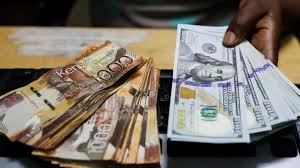
Kenya’s remittance inflows plummeted to their lowest level in five months, attributed to the ongoing conflict in the Middle East. The Central Bank of Kenya reported an 11% decline in April, with remittances reaching $397.8 million, down from $450.3 million in March.
This downturn is concerning for Kenya, where remittances are a key source of foreign exchange. As economic turmoil persists in the Gulf regions, the potential for reduced household spending looms, which could weaken external buffers and put additional pressure on the Kenyan shilling.
BlackRock Eyes Infrastructure Investment Opportunities in South Africa
BlackRock, the largest asset management firm globally, is expressing optimism about South Africa’s infrastructure sector. The company recently indicated that the nation is nearing a critical infrastructure tipping point that could pave the way for accelerated growth and job creation, contingent upon substantial private investment. Speaking at the Infrastructure Summit alongside President Cyril Ramaphosa, Adebayo Ogunlesi highlighted how years of underinvestment in critical sectors like energy and transport have stunted growth in the continent’s most industrialized nation.
This interest from BlackRock signifies increasing investor confidence in South Africa’s reform initiatives, further emphasizing the importance of private capital in addressing Africa’s infrastructure financing gaps.
Inflationary Pressures Escalate Across Africa’s Major Economies
Inflationary pressures have reemerged across several of Africa’s largest economies, fueled by the ongoing conflict in Iran, which has pushed global oil prices beyond $100 a barrel. This new price surge threatens to undo the progress made in easing inflation in recent months, particularly affecting oil-importing nations.
The resurgence of inflation raises concerns that central banks across Africa may halt or even reverse interest rate cuts, potentially curbing growth, increasing borrowing costs, and amplifying fiscal challenges in already vulnerable economies.
Uganda Faces Investor Concerns Over New Foreign Influence Law
President Yoweri Museveni has signed a controversial new sovereignty law that expands governmental control over foreign-funded activities, leading to apprehensions among investors and development partners. This law imposes stricter regulations on organizations and individuals perceived to be advancing foreign interests at odds with Uganda’s national priorities.
Concerns over this law could undermine investor confidence, complicating Uganda’s efforts to attract foreign capital and development financing, especially as African nations compete fiercely for global investments.
