


Airlines May Lower Flight Costs Following Fuel Price Reduction
Chinedu Eze
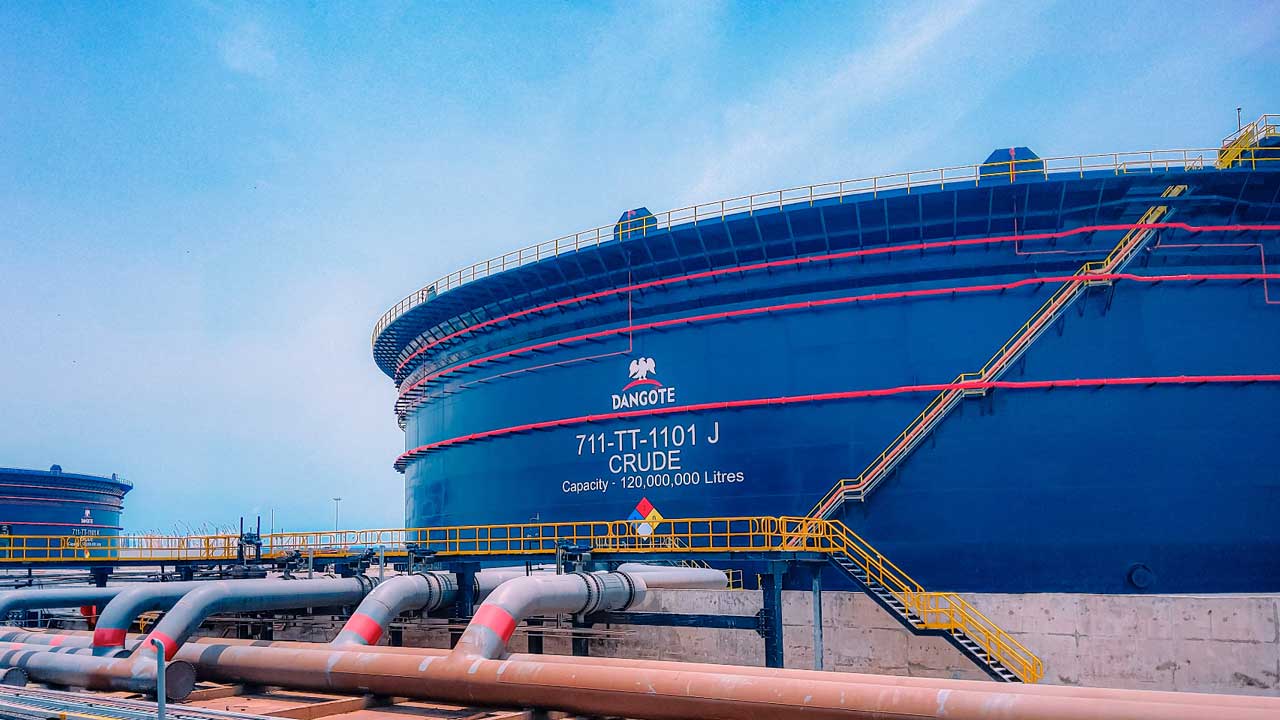
Domestic airlines in Nigeria appear poised to reduce local flight fares as stakeholders confirm the procurement of aviation fuel, known as Jet A1, from the Dangote refinery at a new price of N1,650 per liter. This development comes after Dangote Petroleum Refining and Petrochemicals announced a price decrease from N1,750 to N1,650 per liter earlier this week, aimed at alleviating cost pressures on airlines and ensuring a stable fuel supply across the nation.
In a significant move, Dangote has introduced a 30-day interest-free credit line for marketers and airlines, allowing them to purchase fuel in Naira rather than the previously required US dollars. This shift marks a change in how airlines and fuel suppliers interact financially, promising a more accessible avenue for necessary procurement.
Chris Ndulue, chairman of Ndano Energy, an aviation oil marketing company, confirmed that his firm successfully acquired the first batch of aviation fuel from Dangote at the new rate. He expressed satisfaction with the change in pricing structure, which now allows transactions in Naira. “I bought it today at the new price and transferred it to him. So it started. I am going to sell it to the airline at a lower price,” he remarked, indicating the potential for reduced ticket costs.
Ndulue further emphasized the need for airlines to lower their fares, arguing that elevated ticket prices could deter passenger numbers. “If you lower the fare, you will fly more passengers, so you make money on volume and not on a per-unit basis,” he stated, recalling a time when fuel was priced at N900 per liter before recent spikes caused by geopolitical tensions. He anticipates that as stability returns, further decreases in fuel prices could occur.
Despite these optimistic forecasts, a recent survey indicates that airline ticket prices remain high, even on popular routes. For instance, ticket prices for flights from Lagos to Abuja hover around N200,000 for a one-hour journey, while a one-way ticket from Lagos to Anambra’s Chinua Achebe Cargo Airport is priced at N270,000, operated by Air Peace and United Nigeria Airlines. Conversely, Enugu Air has adjusted fares for its Lagos-Owerri route, bringing them down from N90,000 to N120,000.
The demand for air travel may increase as safety concerns prompt many Nigerians to choose flying over road travel, though current fares remain prohibitive for a significant portion of the population. As of May 20, market data showed varied pricing for aviation fuel across different suppliers, with notable price differentials that could impact airline operational costs and subsequently, fares.
As aviation fuel prices decline, a corresponding reduction in airline fares is anticipated. However, with next year’s elections drawing near and an uptick in demand driven by political campaigning, there are concerns that this demand could lead to fare increases. Efeoghene Osifo-Whiskey, spokesperson for Air Peace, indicated an observable surge in seat demand, particularly in the wake of party primaries, hinting that this trend is likely to persist until year-end.
With increased activity on the horizon, particularly in general aviation and scheduled flight services, airlines may find themselves reassessing their strategies. Sources reveal there will be heightened activity between now and the upcoming presidential election, with a concurrent demand for charter services likely leading airlines to adjust their operations. Nonetheless, should aviation fuel prices stabilize back to pre-war levels, airlines might reduce fares, albeit potentially without significant decreases due to persistent high demand.
