


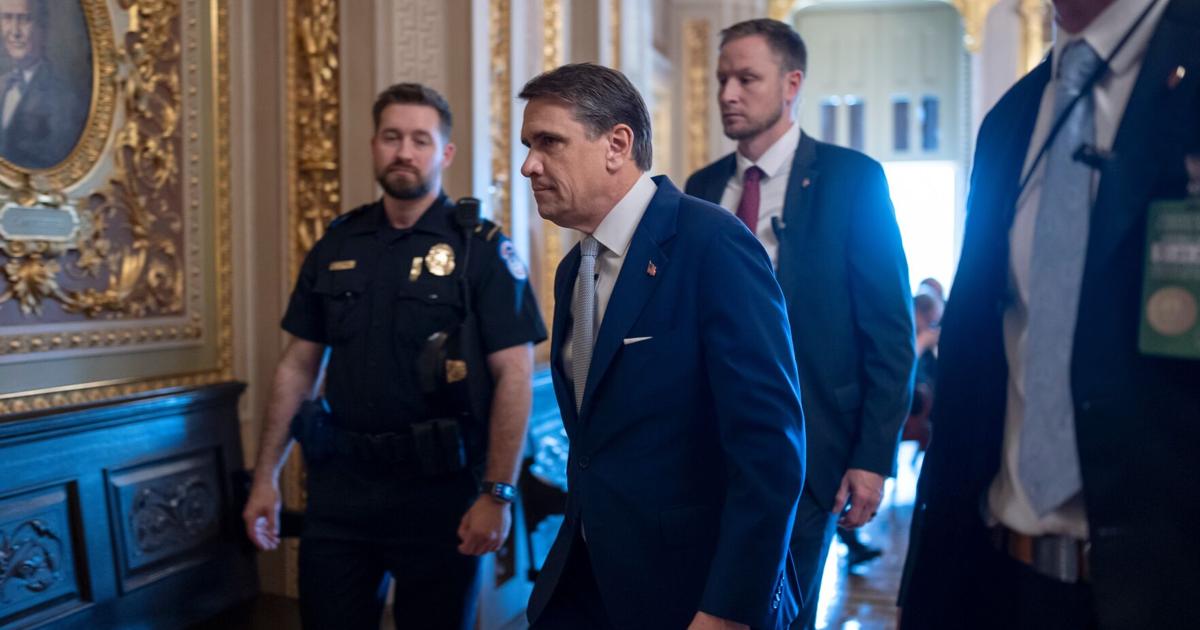
Senate Republicans Leave Without Voting on Immigration Funding Bill
WASHINGTON — Senate Republicans abruptly departed Washington on Thursday without taking a vote on a nearly $70 billion bill aimed at funding immigration enforcement agencies. The party has found itself at a standstill over a contentious proposal to establish a new $1.776 billion settlement fund designed to compensate Trump supporters who feel politically persecuted by the current administration.
Impasse on Settlement Fund Complicates Migration Enforcement Discussions
The settlement fund has emerged as a significant sticking point. Republicans are divided on the implications of including such a fund in the broader immigration enforcement legislation. While some members argue that it could address grievances among Trump supporters, others contend that it distracts from the essential focus of immigration policy reform.
Legislative Priorities Under Scrutiny
As negotiations continue, the urgency for immigration reform has not diminished. With increasing public pressure and ongoing debates surrounding border security, the inability to reach a consensus may hinder the party’s legislative agenda. Some legislators emphasize that without a solid immigration framework, the party risks alienating key voter bases.
Division Within the Republican Party
The conflict illustrates a broader divide within the Republican party, highlighting differing priorities among its members. While some lawmakers advocate for a robust immigration enforcement strategy, others push for solutions that could benefit constituents who feel marginalized by recent political dynamics.
Potential Repercussions for Upcoming Elections
The implications of this legislative stalemate extend beyond immediate policy discussions. As Republicans weigh the political ramifications of their decisions, the outcome may have significant impacts on their performance in upcoming elections. The party’s ability to effectively address these issues could influence voter sentiment as the campaign season approaches.
Possible Paths Forward
In the face of ongoing delays, party leaders must consider alternative strategies to advance their immigration priorities. Options may include revisiting the settlement fund proposal or seeking compromises that would allow for a bipartisan approach to immigration enforcement, which could better position the party heading into the elections.
Conclusion on Legislative Dynamics
The current situation underscores the challenges legislators face regarding immigration reform. With a significant bill pending and deep divisions evident, the Republican party’s next steps will be pivotal in shaping their legislative success and electoral viability in the near future.
