


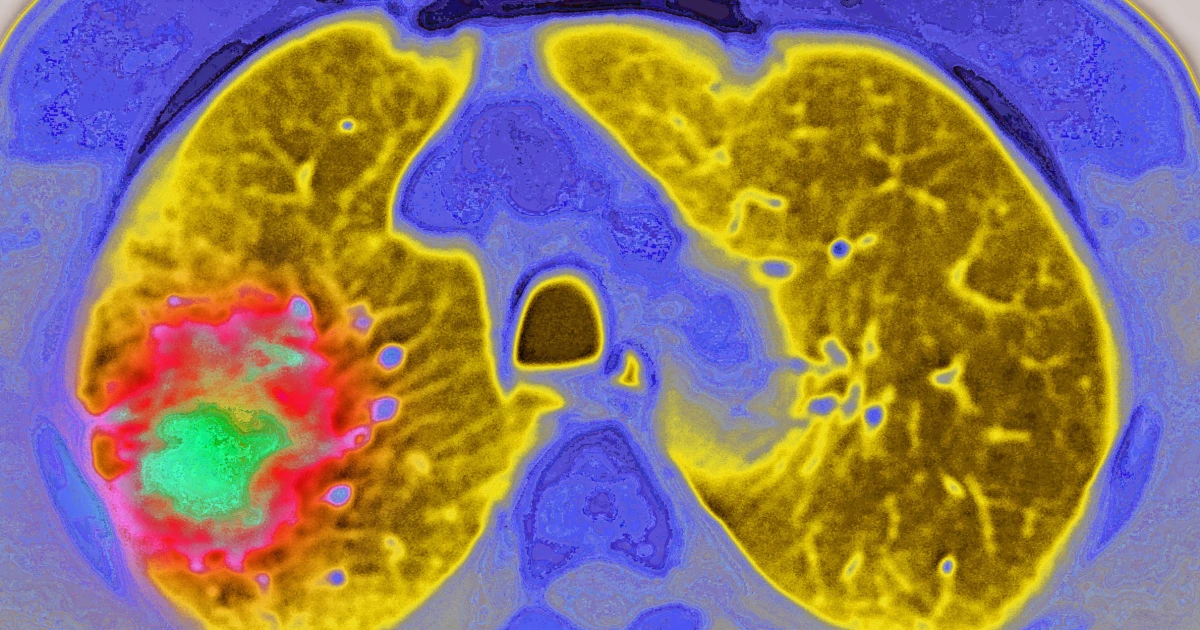
GLP-1 Drugs May Lower Cancer Progression Risk
Recent research suggests that GLP-1 drugs could be linked to a reduced risk of cancer progression. This study will be presented at the upcoming American Society of Clinical Oncology annual meeting, marking a significant addition to the ongoing discourse surrounding these medications.
Expanding Health Benefits of GLP-1 Drugs
The range of health benefits tied to diabetes and weight loss medications is continuously growing. These medications, including Wegovy, are now recognized for their role in reducing heart disease risk, preventing the deterioration of kidney disease (as seen with Ozempic), and even treating obstructive sleep apnea (with Zepbound). Ongoing research ventures to uncover more potential advantages of these treatments.
New Insights into Anti-Cancer Effects
This new study, which has yet to undergo peer review, adds to a series of preliminary investigations indicating that GLP-1 drugs may possess anti-cancer properties. Dr. Mark Orlando of the Cleveland Clinic led the study, analyzing patient records from the TriNetX Global Health Research Network. The team identified over 10,000 individuals diagnosed with various cancers, including breast, colorectal, kidney, liver, lung, pancreatic, and prostate cancers. Notably, all subjects began taking GLP-1 medications post-diagnosis.
Methodology: An Observational Study
The precise reasoning behind the prescriptions received by participants remains unclear. Nonetheless, researchers ensured a rigorous methodology by matching GLP-1 users with individuals possessing similar cancer types, stages, and co-existing conditions such as obesity and smoking habits. The control group in this study initiated treatment with DPP-4 inhibitors, another class of type 2 diabetes medications, after their cancer diagnoses.
Findings of the Study
Results indicated that patients who began GLP-1 treatment exhibited a lower likelihood of tumor metastasis, except for those with kidney cancer. Among the cancers analyzed, significant reductions in advanced stages were only observed in non-small cell lung cancer, breast cancer, colorectal cancer, and liver cancer. Particularly, lung cancer patients using GLP-1 drugs demonstrated a 50% lower chance of progressing to stage 4, while breast cancer patients reported a 43% reduction in progression.
Potential Mechanisms at Work
This observational study does not establish a cause-and-effect relationship, making randomized clinical trials essential for validating these findings. Dr. Orlando speculated that these beneficial impacts are linked to the drug itself rather than improved management of diabetes or obesity, which are known to influence cancer risk and outcomes. Supporting this perspective, Dr. William Troy Donahoo from the University of Florida, who was not involved in the study, also noted a potential correlation between GLP-1 usage and diminished cancer risk from his prior research.
Future Directions for Research
Emerging insights suggest that the presence of GLP-1 receptors in tumors may play a key role in cancer spread. Dr. Kelvin Lee of the Indiana University Melvin Bren Simon Comprehensive Cancer Center emphasized the necessity of understanding how receptor levels on tumors affect their responsiveness to GLP-1 drugs. Targeting these receptors might disrupt tumor cell communication and impede metastasis. Furthermore, tweaking the glycolytic processes in tumor cells could effectively reduce their energy supplies, thus limiting growth. Advances in this area could reveal whether GLP-1 drugs have bona fide anticancer effects and offer deeper understanding into their potential mechanisms.
Safety Considerations and Future Implications
While GLP-1 medications appear safe for managing diabetes and weight loss in patients undergoing cancer treatment, caution is advised before integrating them into cancer therapies. As Dr. Orlando noted, it remains premature to recommend GLP-1 agents for cancer treatment. If these drugs prove beneficial, it is unlikely they will become first-line therapies across various cancer types due to the complexity of cancer treatment.
