


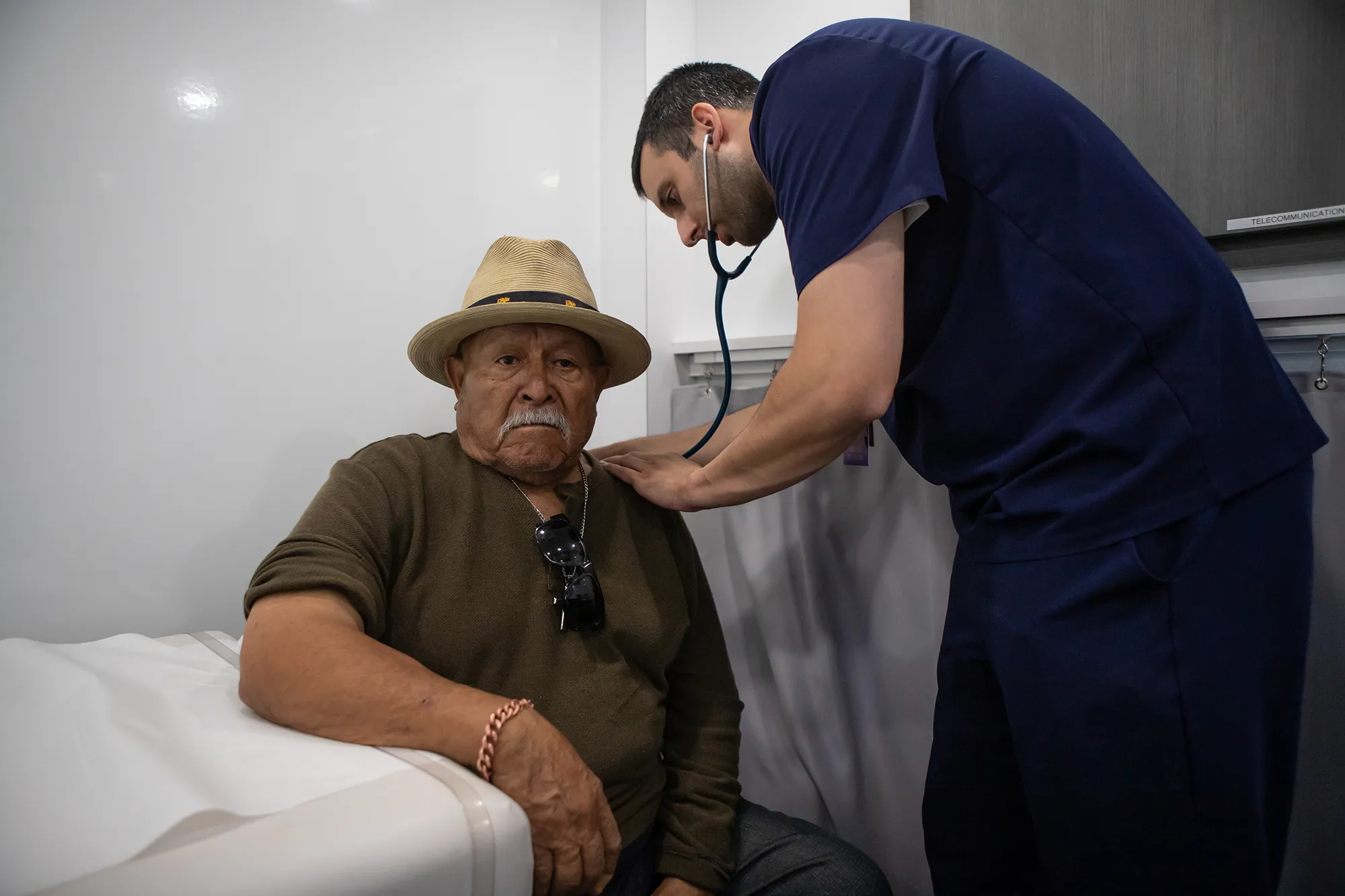
State Budgets Strained by Federal Healthcare Cuts
As liberal states respond to federal Medicaid reductions and the end of federal assistance that previously made Obamacare affordable for many Americans, budgetary limitations are leading them to reassess financial support for healthcare programs aimed at non-citizens.
Healthcare Restrictions for Undocumented Immigrants
Under current federal regulations, undocumented immigrants are ineligible for federally funded health insurance. However, as of last month, six states—California, Colorado, Illinois, New York, Oregon, and Washington, along with the District of Columbia—have utilized state funds to extend coverage to income-eligible noncitizen adults, irrespective of their immigration status. A total of 14 states currently provide state-funded healthcare to noncitizen children, regardless of their legal status, while Colorado, New Jersey, and Vermont extend coverage to pregnant women without regard to immigration status.
Impact of Federal Spending Cuts
The sweeping tax and spending legislation signed by former President Donald Trump last summer has slashed federal spending on Medicaid, a joint federal and state program designed for low-income individuals. New restrictions have also been imposed on legally present immigrants, including refugees and asylum seekers enrolled in various government-subsidized healthcare programs such as Medicaid, CHIP, Medicare, and plans available under the Affordable Care Act.
State Responses to Budgetary Pressures
As federal funding decreases, at least five states—California, Colorado, Illinois, Minnesota, and Washington—along with the District of Columbia, have either reduced or announced plans to cut state-funded health benefits for immigrants. With ongoing budgetary pressures, more states may find themselves in similar predicaments.
Expert Insights on Immigrant Healthcare Access
According to Medha Makhlouf, a law professor and founding director of the Medical-Legal Partnership Clinic at Pennsylvania’s Dickinson School of Law, the federal government has transferred a substantial financial burden onto the states, prompting a comprehensive review of healthcare budgets. Makhlouf emphasizes that immigrants often lack the political clout necessary to advocate for their needs, leading them to be the first demographic affected by budget cuts.
Consequences of Reduced Healthcare Access
Drishti Pillai, director of immigrant health policy at KFF, cautions that these state reductions and federal changes are likely to raise the uninsured rate and diminish healthcare access for immigrants and their U.S.-citizen children. According to Pillai, the long-term ramifications could result in deteriorating health outcomes, complicating and increasing the costs of treatment over time.
California’s Evolving Healthcare Landscape
Once known for its extensive benefits, California has announced significant changes. In June, Democratic Governor Gavin Newsom signed a budget that prohibits undocumented immigrants from enrolling in Medi-Cal, the state’s Medicaid program. Furthermore, enrollees aged 19 to 59 will be required to pay a $30 monthly premium starting in July 2027, with noncitizens losing dental treatment options in the interim.
