


Federal Case Against Activists Dismissed Following Grand Jury Misconduct Allegations
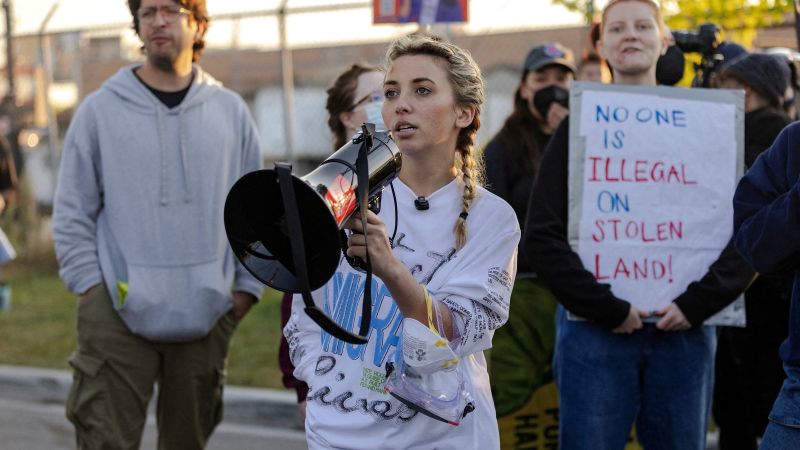
Chicago’s leading federal prosecutor has decided to drop a high-profile case against four activists involved in protests outside a federal building during last year’s immigration enforcement operation in the city. This decision comes after a judge raised concerns regarding potential grand jury misconduct by the prosecutor’s office.
U.S. Attorney Andrew Boutros announced the dismissal of the remaining charges in court after a closed-door meeting regarding a redacted grand jury report. He informed U.S. District Judge April Perry that he had recently become aware of serious allegations, including inappropriate interactions between prosecutors and the grand jury. Furthermore, jurors who opposed dismissing the case were allegedly prevented from contributing to the discussions. Boutros acknowledged the gravity of these allegations, describing the conduct as vexatious and deeming it sufficient grounds for case dismissal.
In his address to the court, Boutros asserted that there was no intention to mislead the judge, attributing the issues to a misunderstanding of procedural directives. He emphasized that those involved were simply following judicial instructions.
Since his appointment during the Trump administration last year, Boutros has refrained from further comments related to this particular case, as indicated by a spokeswoman on Thursday.
This ongoing case, which was set for trial next week, has captured significant public attention amid a broader crackdown on immigration enforcement activities that have taken place throughout Chicago and its suburbs. It highlights the challenges the Justice Department has faced in its efforts to prosecute individuals accused of obstructing federal officers during protests against the Trump administration’s immigration policies.
Defense lawyers for the activists, including Kat Abu-Ghazaleh, a former Democratic congressional candidate, plan to pursue unredacted records to uncover further details surrounding the case. Abu-Ghazaleh’s attorney, Josh Herman, expressed disappointment at the allegations of grand jury misconduct, stating that the lawsuit should never have been initiated against the activists for exercising their First Amendment rights.
Abu-Ghazaleh was originally among six individuals charged with conspiring to obstruct a police officer, a felony accusation stemming from their actions surrounding an immigration vehicle at a federal facility in Broadview, a focus area of the administration’s immigration enforcement. Charges against two of the six were later dropped.
In light of the recent developments, prosecutors eliminated the felony conspiracy charge altogether last month after questions were raised about the grand jury report. New indictment documents filed at that time lack additional charges against the activists.
The courtroom proceedings saw portions kept closed to the public, despite objections from the Chicago Tribune, Chicago Sun-Times, and other news organizations, due to the inherent secrecy of grand jury proceedings.
Others indicted in the case included Andre Martin, a former campaign aide to Abu-Ghazaleh, along with Oak Park Village Trustee Brian Straw and Democratic Committeeman Michael Rabbitt, each facing a misdemeanor charge for interfering with federal officers. The dismissal of charges on Thursday was with prejudice, preventing any further legal actions against these individuals. Judge Perry also suggested the possibility of holding another hearing to consider sanctions against the U.S. attorney’s office for its conduct during the proceedings.
This incident is not an isolated case, as prosecutorial conduct under the Trump administration has faced scrutiny before. In November, a federal judge in Virginia criticized the Justice Department for what he described as a “disturbing pattern of significant investigative errors” linked to the indictment of former FBI Director James Comey.
The judge detailed issues including misrepresentations of law to the grand jury, improper use of potentially privileged communications, and unexplained irregularities in grand jury minutes. Ultimately, this case was dismissed after a ruling that the prosecutor responsible for false statements had been illegally appointed. Recently, Comey was reported to have filed new charges against former President Trump regarding a social media post, drawing further attention to ongoing legal and political complexities.
