


Critical Choices Ahead for Nigeria’s Political Landscape
Nigeria finds itself at a pivotal moment in its democratic journey, where the political discourse must transcend mere profit motives and focus on the societal obligations that underpin a healthy governance framework. As political parties gear up for primaries and prepare for the approaching 2027 elections, the decisions made within party structures and through consultations with stakeholders will influence not only the electoral outcomes but also the broader stability and cohesion of the nation.
The True Measure of Democracy
Conversations surrounding elections often revolve around strategy, numbers, and the quest for control. However, genuine democratic health is evaluated by the public’s trust in the leadership selection process. A decline in this trust leads to increased cynicism, which can erode institutional authority and foster division. This, in turn, creates an environment detrimental to governance and national unity, demonstrating the pressing need for a rejuvenation of public confidence in the political process.
The Imperative of Party Unity
Discourse on party unity must evolve beyond intra-party concerns, recognizing its significance as a national issue. Political parties serve as public institutions with a substantial impact on the democratic process. The actions undertaken within these parties shape the external stability of the state. Fairly managing differences within party ranks fortifies democracy, while practices of exclusion and manipulation breed public distrust—not only toward individual parties but also toward democratic institutions at large.
Resisting Personal Ambition in Politics
During this crucial time, it is vital for political leaders to resist the allure of viewing politics as a mere contest for personal gain. Power is transient, but institutions are meant to endure. Treating party organizations as extensions of individual authority compromises collective governance principles. It is essential that candidates believe in fair competition and that stakeholders trust the authenticity of consultations, as loss of faith in domestic democracy can give rise to significant public crises.
Lessons from History and the Call for Mature Leadership
History illustrates that political parties often do not collapse suddenly; instead, they gradually decay under the weight of unresolved grievances and selective impartiality. The emergence of factions is typically a response to feelings of exclusion and neglect. In this context, mature leadership becomes crucial, especially as Nigeria advances toward the 2027 elections. The country requires leaders capable of diffusing tensions rather than exacerbating them—individuals who realize that genuine influence strengthens organizations while imposition undermines them.
The Role of the All Progressives Congress
The ruling All Progressives Congress (APC) holds a unique responsibility given its national presence and governing mandate. Its internal dynamics will influence public expectations significantly. Political parties must project themselves as instigators of stability that can effectively mediate competing interests across diverse regions and demographics. In Nigeria’s multifaceted landscape, it is essential for political actors to strive for unity within their parties while maintaining national cohesiveness.
Navigating Political Maturity and Generational Balance
A healthy democracy thrives on a balance between generations. Nigeria needs seasoned leaders who can guide without dominating and younger politicians who are eager to learn the intricacies of institution-building. The political discourse must foster a culture where experienced leaders act as conveners of ideas while promoting the growth of emerging leaders. This approach can offer stability and moderation during periods of heightened political tension.
Maintaining Democratic Integrity Amidst Challenges
The push for moderation and responsible leadership is especially crucial as political polarization rises nationwide. Nigeria needs leaders who advocate for unity rather than division, forging connections across generational divides. The upcoming elections must not become battlegrounds of hostility; rather, they should be platforms for vigorous yet respectful competition. Ultimately, political parties should prioritize internal democracy and fairness to reinforce public trust and national stability.
The Path Forward for Nigeria’s Democracy
As the 2027 elections approach, political leaders must recognize that the ultimate goal of governance extends beyond acquiring power—it centers on fostering societal well-being while managing responsibly. The current climate, marked by economic hardship and social unrest, demands leaders who can rise above narrow calculations and act with integrity. The burden of establishing trust lies heavily on political actors, who must work diligently to strengthen confidence in governance and promote a culture of dialogue and collaboration.
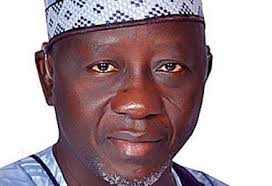
Umarutanko Almakura, a former governor of Nasarawa State and a key figure in the APC, emphasizes the critical nature of these discussions as Nigeria strides toward its future.
