


Nigerian Billionaire Lauds Dangote’s Impact on Economic Landscape
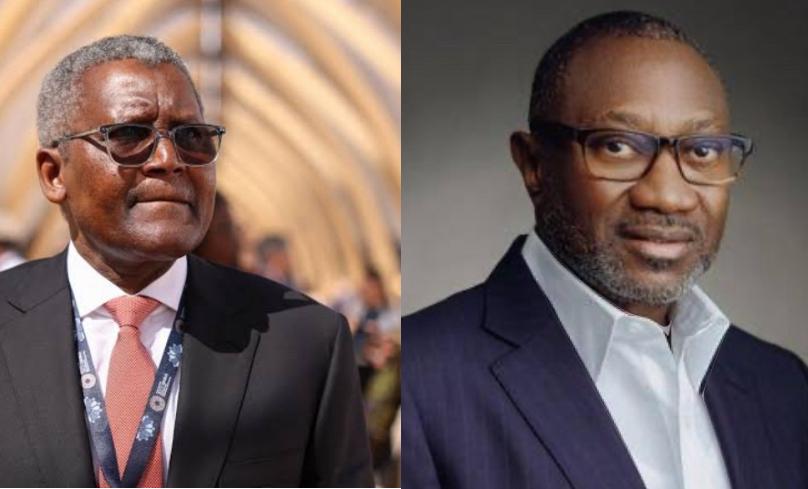
Femi Otedola, a prominent Nigerian billionaire and businessman, has hailed Aliko Dangote’s industrial initiatives as pivotal moments in the economic history of Nigeria, asserting that these ventures have liberated the nation and the continent from “economic slavery.” Otedola expressed these sentiments during a recent inspection of the Dangote refinery in Lagos, where he was accompanied by the management team of First Holdco.
Acknowledgment of Ambitious Projects
At the event, which drew senior executives and stakeholders from the Dangote Group, Otedola commended the scope and vision of the Dangote Refinery and Fertilizer project. He emphasized its significance beyond a mere private investment, characterizing it as a national economic endeavor capable of reshaping Nigeria’s global reputation.
Revolutionizing Nigeria’s Image
Otedola remarked on the refinery’s potential impact, stating that Nigeria should proudly declare itself home to the world’s largest refinery. His encouragement reflects a belief that such ventures could elevate the country’s status in the global economic arena.
Visionary Investments as Catalysts for Growth
He further described the Dangote refinery, fertilizer facility, and the Eko Atlantic project as remarkable achievements, likening them to wonders of the modern world. According to Otedola, if Nigeria continues to attract and sustain visionary investments, it could position itself among the world’s leading economies.
Addressing Nigeria’s Dependency on Imports
The Dangote refinery, which commenced fuel production last year following years of delays and substantial investment, aims to significantly curb Nigeria’s reliance on imported petroleum products. Historically, the country has been dependent on imports due to the failure of state-owned refineries in Port Harcourt, Warri, and Kaduna, despite being Africa’s largest oil producer.
Challenges from Policy Instability
Otedola stressed that Nigeria’s economic transformation hinges on fostering local entrepreneurship rather than stifling it through inconsistent government policies. He recalled numerous industrial projects that were undone by shifts in policy or lack of political backing, recounting how historical contradictions in government decisions thwarted the ambitions of past entrepreneurs.
Reflections on Past Partnerships
Reflecting on his long-standing relationship with Dangote, Otedola disclosed that they communicate several times a day. He also recounted their partnership in acquiring refinery assets back in 2007, during which he held a 20 percent stake in the venture. He lamented how subsequent mismanagement, referring to “visionless people,” led to the collapse of that initiative, without naming any individuals involved.
Historical Context of Refinery Investments
The 2007 partnership was part of a broader governmental strategy under then-President Olusegun Obasanjo, which saw the sale of the Port Harcourt and Kaduna refineries to a consortium including Dangote and Otedola. Unfortunately, the following government withdrew this deal amid criticism, causing a setback in Nigeria’s industrial landscape.
Future Prospects for the Dangote Refinery
As the Dangote refinery prepares for full-scale operations in 2024, it stands as a significant milestone in Nigeria’s journey toward establishing a successful large-scale private oil refinery. However, following its recent operational commencement, the refinery has faced challenges in encouraging local distributors to prioritize domestic products over imports, leading to legal disputes and concerns about market monopoly.
Long-term Commitment Required for Economic Growth
Otedola emphasized the necessity of consistent support for sustained industrial investment, advocating against political disruption and frequent policy alterations. He believes that prioritizing long-term industrial growth is essential for Nigeria’s economic prosperity.
